2,500 Catholics at SEEK 2026: Why Speed Dating Is Making a Comeback
2,500 Catholics at SEEK 2026: Why Speed Dating Is Making a Comeback
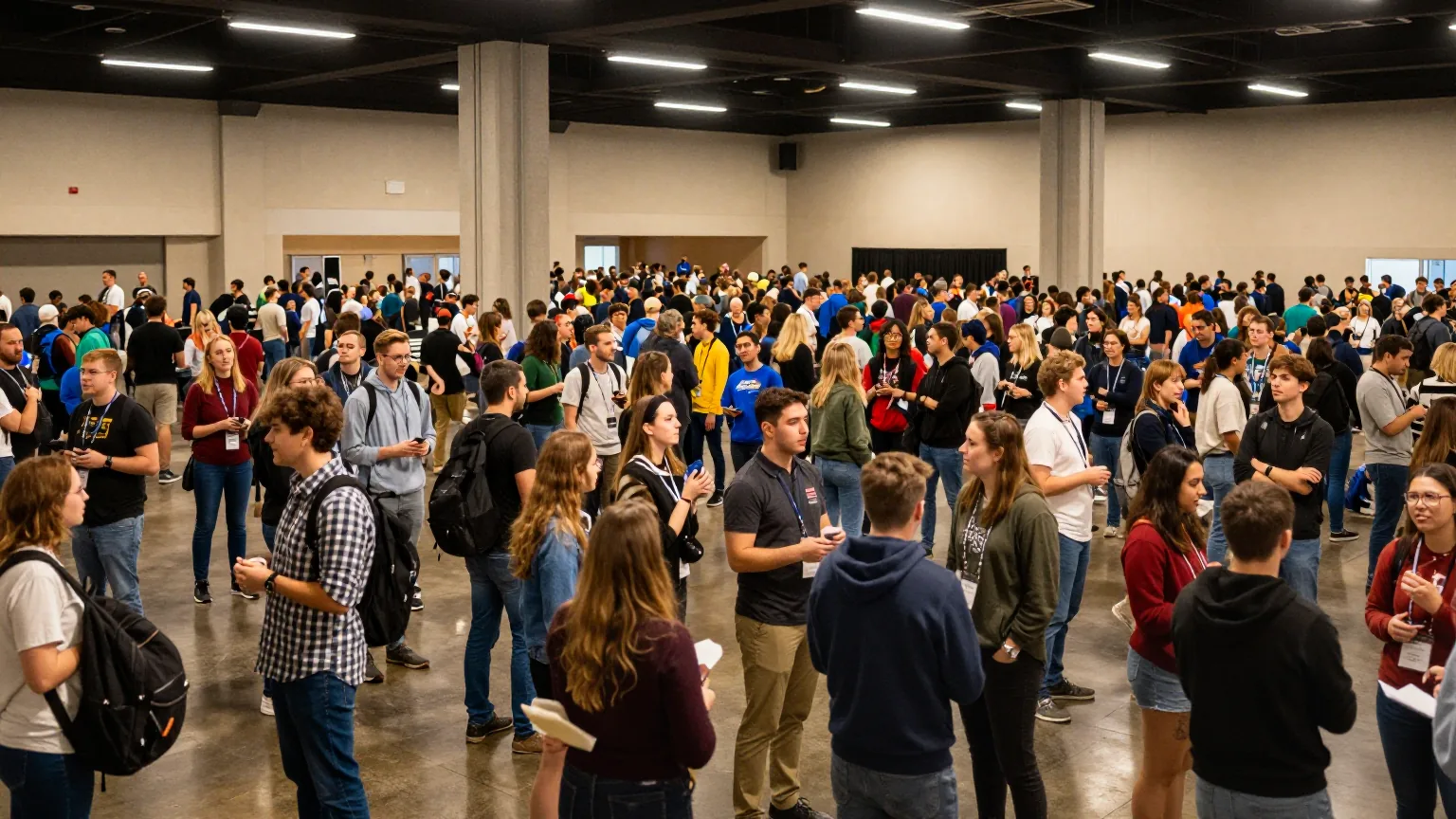
Imagine a room filled with 2,500 young adults, all standing, all talking, all looking for that spark. It sounds like a scene from a chaotic sitcom or a very large networking conference, but it is, in fact, a speed dating event. On January 4, 2026, in Columbus, Ohio, this exact scenario unfolded at SEEK 2026. It was a gathering that many observers are calling record-breaking, not just in terms of attendance, but in terms of the sheer energy and intent behind it [4].
For years, the stigma of speed dating has lingered. It was often dismissed as a desperate, assembly-line approach to romance, a place for the lonely or the awkward. But as we move deeper into the late 2020s, something has shifted. The digital dating fatigue is real, and the desire for genuine, face-to-face connection is surging. Speed dating is no longer just a quirky party trick; it is evolving into a sophisticated, formalized matchmaking process that is reclaiming its place in modern courtship [1].
So, what is driving this resurgence? Why are thousands of people—many of them faith-based, professional, and socially active—choosing to stand in a circle and talk to a stranger for three minutes? Let’s dive into the mechanics, the psychology, and the cultural shift that is making speed dating one of the most relevant social trends of 2026.
The Mechanics of the Modern Match
To understand why this format works, we first need to look at what it actually is. At its core, speed dating is a formalized matchmaking process designed to encourage eligible singles to meet new potential partners in a very short period of time [1]. The goal is simple: interested pairs can continue meeting each other after the event, while those who click with no one can move on to the next interaction without the heavy emotional baggage of a failed long conversation.
Traditionally, advance registration is required, which sets the tone for a curated environment [1]. In 2026, this curation has become even more precise. Organizers are no longer just selling tickets; they are selling outcomes. The "complete playbook" for hosting these events has evolved to include specific formats, venue choices, and timing strategies that maximize comfort and efficiency [2].
The structure is usually rigid for a reason. You might have 3 to 5 minutes per date. A bell rings, and you move to the next person. It sounds impersonal, but it is actually a pressure-cooker for authenticity. When you know you only have a few minutes, you tend to drop the small talk and get to the heart of who you are faster than you would in a bar or a coffee shop.
From Niche Party to Mainstream Movement
Speed dating is not a new invention. It has roots in various cultural matchmaking practices, but its modern iteration has grown significantly over the last two decades. Services like Pre-Dating have been operating for over 15 years, hosting monthly events in more than 90 cities and facilitating over 5 million dates [3]. This longevity suggests that speed dating is not a fad, but a sustained alternative to traditional dating.
However, 2026 marks a distinct peak in this trend. The shift from "niche" to "mainstream" is evident in the scale of events. While smaller, local mixers have always existed, the emergence of mega-events like SEEK 2026 signals a broader cultural acceptance. It is no longer just for the "last resort" singles; it is becoming a preferred method for busy professionals and socially active individuals who want to meet people in real life [5].
The narrative has changed. It is no longer about "desperation." It is about "efficiency" and "intention." In a world where we can swipe through thousands of profiles without speaking to a single human being, the act of standing face-to-face with another person is becoming a radical act of connection.
The Case of SEEK 2026: Faith, Fun, and Scale
Let’s return to Columbus, Ohio, and the SEEK 2026 event. This gathering is a perfect case study for the current moment. Approximately 2,500 students participated, reflecting a "thirst for genuine connection" and a "willingness to step outside of comfort zones in pursuit of meaningful relationships" [4].
What makes this event particularly interesting is its demographic. It was primarily attended by young Catholics. This highlights a crucial aspect of the speed dating revival: shared values and community. For many, dating is not just about chemistry; it is about compatibility in worldview, faith, and life goals. A speed dating event tailored to a specific community removes the friction of having to vet someone’s values over several dates. You know, from the start, that you are on the same page regarding the fundamental aspects of life.
The "record-breaking" nature of this event suggests that there is an underserved market for large-scale, value-aligned dating events. When people see others succeeding, or simply participating in large numbers, it reduces the social anxiety associated with trying something new. It creates a sense of safety and community. If 2,500 people are doing it, it is no longer "weird." It is normal.
Why We Are Tired of the Algorithm
To understand the comeback of speed dating, we must understand the fatigue of the alternative. For over a decade, dating apps have dominated the landscape. But by 2026, the "app fatigue" is palpable. Users report feeling overwhelmed by the sheer volume of choices, the superficiality of profile pictures, and the ghosting culture that has become endemic to digital dating.
Speed dating offers a stark contrast. It is low-stakes, high-volume, and entirely offline. There is no algorithm deciding who you should see. There is no "swipe left" that happens without a human decision. You see the person. You hear their voice. You feel their energy. It is a return to the basics of human interaction, stripped of the digital noise.
Organizers like Happy Hour Speed Dating have explicitly stated their goal as "Make meeting people in real life cool again" [5]. This is not just a marketing slogan; it is a reflection of a broader cultural desire to reclaim physical space and face-to-face interaction. In a world increasingly mediated by screens, the tactile reality of a speed dating event is a refreshing antidote.
The Psychology of the "Three-Minute Date"
Why does such a short timeframe work? Psychologists have long studied the "mere exposure effect" and the "halo effect," but speed dating leverages a different mechanism: the removal of performance anxiety through structure.
When you go on a traditional date, there is an implicit expectation of longevity. If it is not going well, you feel trapped. You have to be polite, you have to keep the conversation going, you have to manage the other person’s feelings. In speed dating, the structure provides an "exit strategy" that is socially acceptable. The bell rings, and you move on. This lowers the stakes and allows people to be more authentic. You can be yourself, because you know that if it is not a fit, you will not have to endure a two-hour dinner to prove it.
Furthermore, the rapid-fire nature of the event forces people to quickly assess compatibility. You are looking for red flags, yes, but also for green flags: eye contact, laughter, engagement, shared interests. These micro-interactions provide a wealth of data that a profile picture simply cannot. You are assessing vibe, chemistry, and communication style in real-time.
Corporate Networking and Beyond
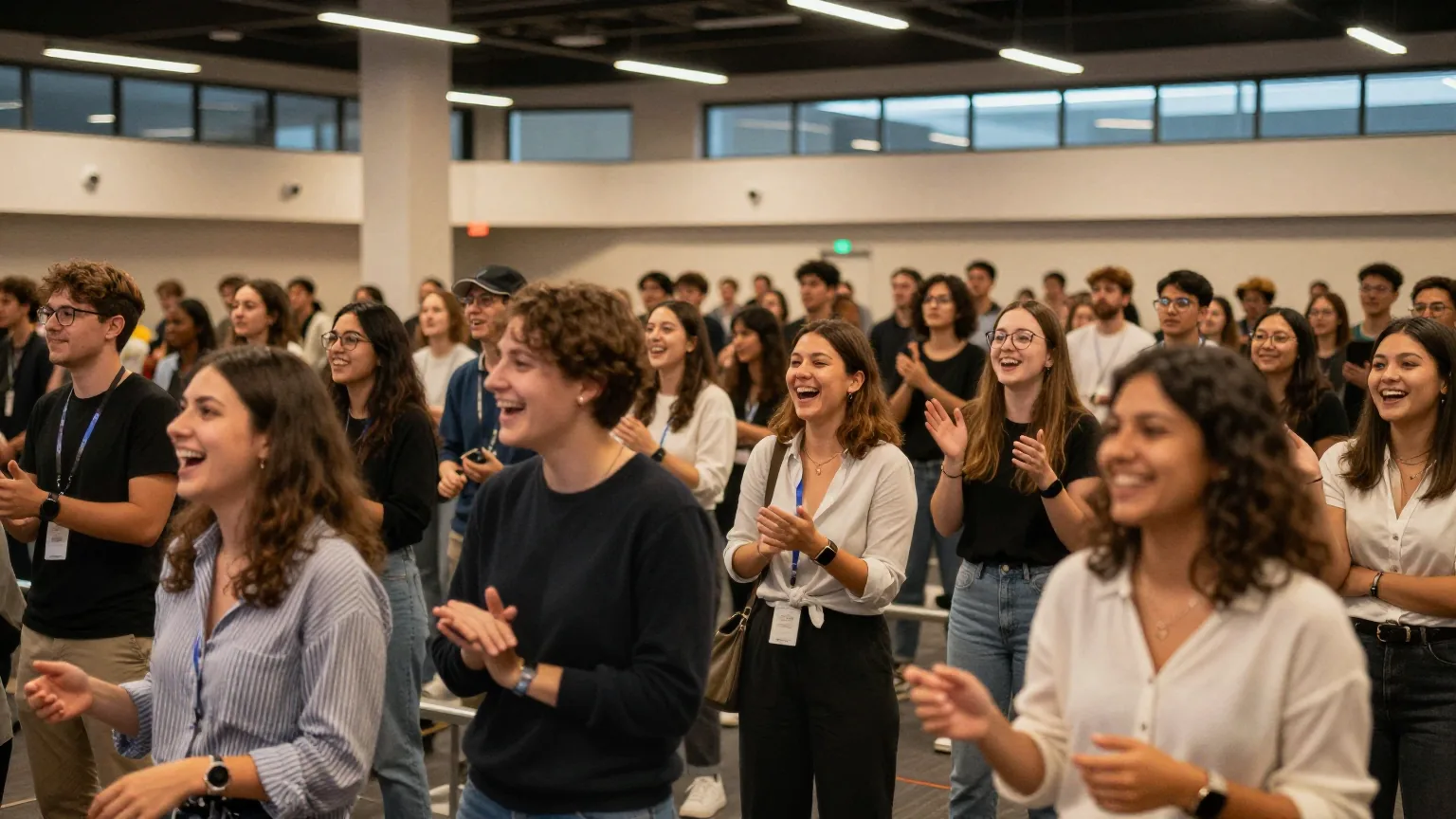
One of the most interesting developments in the speed dating world is its application beyond romance. The "Event Speed Dating" guide for 2026 includes setups for "corporate networking" and "wedding singles mixer" [2]. This indicates that the format is being recognized as a versatile tool for any situation where large groups need to connect quickly.
In the corporate world, speed networking is used to break the ice at conferences, to foster cross-departmental collaboration, and to onboard new employees. The structure is the same: short, timed interactions that encourage broad networking rather than deep, one-on-one conversations. This cross-pollination of ideas and connections is valuable for innovation and community building.
Even in the wedding industry, speed dating formats are being used for pre-wedding mixers, allowing guests to meet each other in a structured way. This reduces the awkwardness of meeting strangers and ensures that everyone gets a chance to interact. It is a testament to the adaptability of the format.
The Role of Technology in Analog Events
It might seem contradictory, but technology plays a significant role in the success of speed dating in 2026. While the event itself is analog, the logistics are digital. Apps are used for registration, scheduling, and post-event matching [2].
After the event, participants log their matches into an app or website. If there is mutual interest, contact information is exchanged. This removes the awkwardness of asking for a number on the spot. It also allows for a more organized follow-up process. Some platforms even use AI to suggest matches based on compatibility data, adding a layer of curation to the organic connections made during the event.
This hybrid approach—digital logistics, analog interaction—seems to be the sweet spot. It leverages the efficiency of technology to enhance the human experience, rather than replacing it. It is a model that could be applied to many other social settings, from book clubs to professional associations.
Overcoming the Stigma: Humor and Honesty
Despite its growing popularity, speed dating still carries some stigma. People worry about looking awkward, being judged, or being "just another number." The key to overcoming this is a shift in mindset: from performance to participation.
Speed dating is not a test. It is a game. It is a social experiment. The best participants are those who approach the event with humor and honesty. They are willing to laugh at the awkwardness, to admit when they are nervous, and to enjoy the process of meeting new people.
Organizers play a crucial role in setting the tone. A good host will break the ice, provide clear instructions, and create a fun, non-judgmental atmosphere. They will encourage participants to be themselves, to ask interesting questions, and to have fun. The goal is not to find your soulmate in three minutes, but to find someone you want to spend more time with.
The Future of Matchmaking: Hybrid and Hyper-Local
As we look ahead, the future of speed dating is likely to be hybrid and hyper-local. We will see more events that blend physical and virtual elements, allowing people from different cities to participate in the same "room." We will also see more niche events, tailored to specific interests, professions, or values.
The "largest speed dating service" model, with events in over 90 cities [3], suggests that there is a demand for local, community-based connections. People want to meet people in their own neighborhoods, in their own communities. They want to date locally, not just digitally.
This trend is also driving innovation in venue selection. Speed dating is no longer confined to bars or restaurants. It is taking place in parks, galleries, museums, and even outdoor spaces. The venue is becoming part of the experience, adding a layer of context and interest to the interactions.
How to Host Your Own (Or Join One) in 2026
If you are inspired by the resurgence of speed dating, here are some practical tips for getting involved, whether as a participant or a host.
- For Participants: Go with an open mind. Do not go with a checklist of requirements. Focus on the conversation, not the outcome. Be kind, be curious, and be yourself. Remember, the goal is to have a good time, not just to find a date.
- For Hosts: Focus on the details. The venue should be comfortable and conducive to conversation. The timing should be precise. The host should be charismatic and engaging. Use technology to streamline the process, but keep the interaction human.
- For Communities: Consider the value of shared identity. Events tailored to specific groups (faith, profession, hobby) can be more effective because they provide a common ground for conversation. This reduces the friction of getting to know someone and allows for deeper connections to form quickly.
A Thoughtful Conclusion: The Value of the "Almost"
Speed dating is often criticized for its brevity. But perhaps that is its greatest strength. In a world of endless scrolling and infinite choices, the "almost" is a valuable concept. It is the moment where you realize that you are not just a profile, but a person. It is the moment where you realize that connection is not something that happens automatically, but something that has to be sought out, actively and intentionally.
The 2,500 Catholics at SEEK 2026 were not just looking for a date. They were looking for a community. They were looking for a place where they could be themselves, where they could share their values, and where they could find genuine connection. And in doing so, they helped to spark a broader cultural shift.
Speed dating is making a comeback because it is a reminder of what it means to be human. It is a reminder that we are social creatures, that we need each other, and that the best things in life are often found in the most unexpected places. So, whether you are a skeptic or a believer, I encourage you to step outside your comfort zone. Go to a speed dating event. Meet someone new. And remember: the goal is not just to find love, but to find connection.
Call to Action: Are you ready to meet people in real life? Check out local speed dating events in your area, or consider hosting one for your community. The tools are there, the demand is there, and the potential for genuine connection is greater than ever. Don’t let the algorithm decide your love life. Take control, step out, and make meeting people in real life cool again [5].