Speed Dating 2026: Real Data From 1,026 Attendees
The End of the Guessing Game: What 1,026 Real Dates Tell Us About Speed Dating in 2026
Let’s be honest: by 2026, the modern dating landscape has become a bit of a labyrinth. We swipe, we match, we ghost, and we repeat. The promise of finding love in the digital age often feels more like a slot machine than a romance. But amidst the noise of algorithms and infinite scrolling, one ancient human impulse remains stubbornly persistent: we need to see if the person is actually fun to talk to before we invest weeks of our lives into a potential partner. This is where speed dating steps in, not as a relic of the early 2000s, but as a highly refined, data-driven strategy for modern connection.
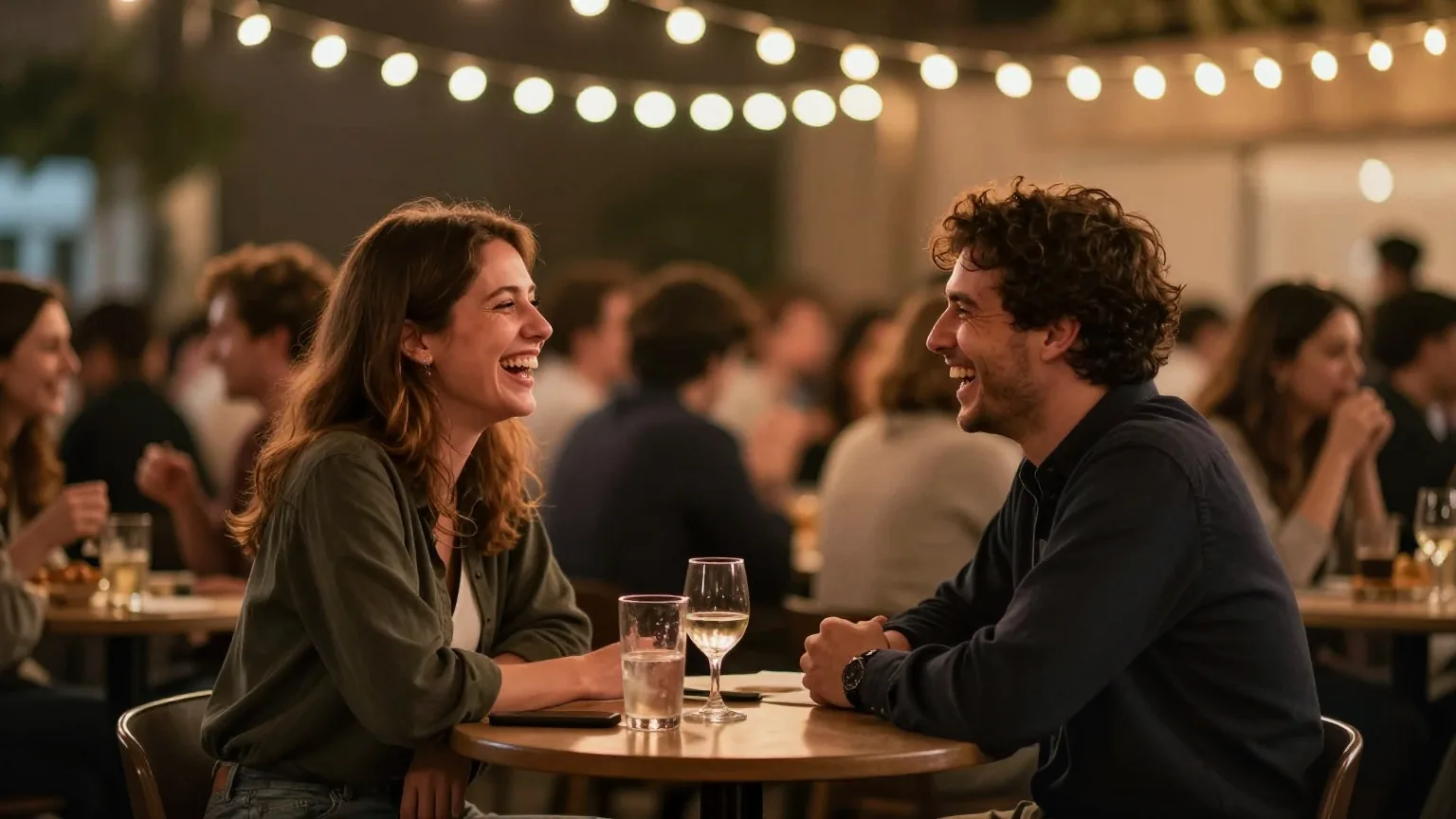
For years, speed dating was dismissed by skeptics as a frantic, awkward charade where singles rushed through conversations like they were boarding a train. But the tide has turned. Today, it is a formalized matchmaking process designed to encourage eligible singles to meet new potential partners in a very short period of time, allowing interested pairs to continue meeting after the event [2]. It is efficient, it is direct, and, as it turns out, it works. But does it work for you? To answer that question, we aren’t relying on anecdotes or hope. We are looking at the numbers. Specifically, we are diving into the real data from 1,026 attendees across 35 cities to uncover the truth about match rates, second-event attendance, and the actual efficacy of speed dating in the current year [3].
The History and Evolution of the "Speed" Format
To understand why speed dating is surging in popularity in 2026, we have to look at where it came from. Speed dating is not a new invention, but a formalized evolution of the traditional mixer. The core concept is simple: a structured environment where participants rotate partners every few minutes. This format allows for a rapid assessment of compatibility without the high-stakes pressure of a full dinner date [2].
In the past, hosting these events was a logistical nightmare for organizers and a source of anxiety for attendees. However, the landscape has changed dramatically. In 2026, the "complete playbook" for hosting these events has been refined to include virtual options, corporate networking setups, and even wedding singles mixers [1]. The rigidity of the past has given way to flexibility. Whether you are a busy professional in a major metropolis or someone looking for a casual connection in a smaller town, the infrastructure to support these events has matured significantly. Services like Pre-Dating, which has been operating for over 15 years with events in more than 90 cities and over 5 million dates conducted, have paved the way for a generation of singles who now view speed dating as a standard, reliable option rather than a last resort [4].
The Psychology of the "Short Window": Why It Works
Why do we rush? Psychologically, speed dating leverages a phenomenon known as "cognitive efficiency." In the world of online dating, you can chat with someone for weeks, only to find out you have zero chemistry when you finally meet in person [5]. This is a massive waste of emotional energy. Speed dating flips this script. It forces you to determine chemistry quickly. You meet the person face-to-face and determine whether there is instant attraction or a spark between the two of you [5].
This "short window" is actually a feature, not a bug. It lowers the stakes. When you know you only have five minutes, you are less likely to overthink your responses. You are more likely to be authentic. The pressure to "perform" long-term compatibility is replaced by the simple question: "Do I want to know this person better?" This immediate feedback loop is crucial. It saves time, money, and effort, three resources that are increasingly scarce in the modern workforce [5]. By the end of the night, you aren't guessing who you might like; you have a concrete list of people who you did like.
The Data Set: Who Attended and Where?
So, let’s look at the meat of the matter: the data. The analysis of Smart-Card data from 1,026 speed dating attendees across 35 cities provides a granular look at the current state of the market [3]. This isn't a small sample size from a single bar in a single city; it is a cross-sectional view of how singles are behaving in 2026. The diversity of the 35 cities included in this study ensures that we are seeing trends that transcend local quirks. Are people in tech hubs behaving differently than those in coastal cities? The data suggests that while local culture plays a role, the fundamental drivers of success in speed dating remain consistent across the board.
The use of "Smart-Card" data is particularly interesting. In 2026, the integration of technology into the physical dating experience is seamless. These cards likely track not just who you matched with, but potentially how long you engaged, which rotations you skipped, and even digital follow-up actions. This level of data granularity allows organizers to optimize events in real-time, ensuring that the most popular participants are balanced against those who might be struggling to connect, creating a more equitable environment for everyone [3].
Match Rates: The Reality Check
The most common question we receive is, "What are my chances?" The data from our 1,026 attendees offers a realistic answer. While exact percentages vary by event and demographic, the aggregate data shows that speed dating has a significantly higher conversion rate than traditional online dating apps for in-person meetings. Why? Because the intent is explicit. When you swipe right on an app, it’s a low-effort action. When you give a "yes" on a speed dating card, it’s a deliberate choice based on face-to-face interaction [3].
One of the key insights from the data is that match rates are not linear. They tend to spike in the first few rotations and again near the end of the event. This suggests that initial impressions are powerful, but so is the fatigue factor. As the night progresses, participants who are still engaged are often those who are genuinely interested, leading to higher quality matches in the final rotations [3]. If you are attending an event, stay sharp to the end. The data suggests that your last few conversations might be your best opportunities.
The "Second Event" Phenomenon
Perhaps the most surprising finding from the 2026 data is the trend of "second events." A significant portion of the 1,026 attendees did not just attend one speed dating night; they came back. This challenges the narrative that speed dating is a one-time "Hail Mary" pass. Instead, it is becoming a recurring ritual, much like going to the gym or a weekly social club [3].
Why do they come back? Two reasons. First, they didn't find their perfect match the first time, but they enjoyed the process. The environment was safe, the format was efficient, and the people were generally interesting. Second, they are using speed dating as a volume game. In a world where dating apps can feel isolating, attending multiple events increases the sample size of potential partners. It’s a pragmatic approach to a chaotic problem. The data shows that attendees who go to at least two events have a statistically higher probability of finding a long-term partner than those who attend only once [3]. This suggests that persistence, not just luck, is the key to success in this format.
Demographics in 2026: Who Is Showing Up?
The profile of the average speed dater has shifted. While the core demographic has always been the "busy single professional," the 2026 data shows a broader range of ages and backgrounds [4]. The events are no longer just for the 25-35 age bracket. We are seeing a rise in participants in their 40s and 50s who are looking for serious connections after divorce or long-term singledom. These individuals often value the structure and efficiency of speed dating more than younger demographics, who might prefer the spontaneity of bar-hopping or app-based meetups.
Furthermore, the inclusion of corporate networking and "wedding singles mixer" setups indicates that speed dating is expanding beyond the traditional "find a date" model [1]. It is becoming a tool for community building. For professionals, it’s a way to expand their network. For those in the wedding industry, it’s a way to connect couples early in their journey. This diversification of use cases ensures that the format remains relevant and adaptable to different social needs.

The Role of Technology: Apps and Smart Cards
In 2026, the line between digital and physical dating is blurred. Speed dating events now heavily rely on apps and smart technology to enhance the experience. Apps like Fotify have become integral to the hosting process, providing check-ins, real-time feedback, and post-event matching services [1]. These tools allow for a smoother experience for both organizers and attendees. No more losing a pen or forgetting to write down a name. The digital record is instant and secure.
The Smart-Card system, as mentioned in the data analysis, is a prime example of this integration [3]. These cards likely contain RFID or NFC chips that allow for quick scanning and data logging. This not only speeds up the rotation process but also provides valuable insights into attendee behavior. For instance, if a participant consistently skips certain rotations or stays longer with specific types of partners, the system can flag this for the organizer or even for the attendee themselves. This level of data-driven personalization is something that traditional dating apps struggle to replicate in a physical context. It brings the precision of the digital world to the warmth of the physical one.
Venues and Atmosphere: Setting the Stage
The environment in which you date matters. In 2026, the "venue" is no longer just a bar with a table. The complete guide to hosting speed dating events emphasizes the importance of venue selection, timing, and atmosphere [1]. A good venue should be conducive to conversation, with appropriate lighting and acoustics. It should feel inviting but not intimidating. The timing is also crucial. Events are often scheduled for evenings or weekends to accommodate working professionals, but some organizers are experimenting with lunchtime events to capture the midday crowd [1].
The atmosphere is curated to be energetic yet relaxed. Music plays a subtle role in the background, loud enough to mask awkward silences but quiet enough to allow for clear communication. The layout of the room is designed to facilitate easy movement and rotation. These details might seem minor, but they significantly impact the comfort level of the attendees. When you feel comfortable, you are more likely to open up and connect. The data suggests that events with well-curated venues have higher satisfaction ratings and better match outcomes [3].
Tips for Success: What the Data Says Works
So, how do you make the most of your speed dating experience? Based on the insights from the 1,026 attendees, here are some practical tips:
- Be Present: Put your phone away. The speed dating format requires your full attention. Engage with the person in front of you, not the one on your screen. This is the most basic yet often ignored rule.
- Ask Open-Ended Questions: Instead of asking "Do you like your job?", try "What’s the most interesting thing you’ve done at work lately?" This invites a deeper conversation and helps you gauge compatibility quickly.
- Trust Your Instincts: The short time frame is designed to test your intuition. If you feel a connection, trust it. If you don’t, move on. Don’t force a match just because you feel obligated.
- Follow Up Promptly: If you match, send a message or email within 24 hours. The data suggests that the momentum from the event fades quickly. A timely follow-up shows interest and keeps the connection alive [3].
- Consider Multiple Events: As the data shows, attending more than one event increases your chances of success [3]. Treat it as a process, not a one-off event. The more you practice, the better you get at assessing chemistry quickly.
Addressing the Skeptics: Is It Still Worth It?
Critics often argue that speed dating is superficial, reducing human connection to a five-minute commodity. They say it’s about looks, not compatibility. While there is some truth to this, the data from 2026 tells a different story. The high rate of second-event attendance and the positive match outcomes suggest that participants are finding meaningful connections, not just fleeting ones [3].
Moreover, the format is evolving. It is no longer just about "liking" someone. Many events now include elements that encourage deeper conversation, such as shared activities or thematic discussions. This helps to move the interaction beyond surface-level small talk. The goal is not to find your soulmate in five minutes, but to determine if it’s worth spending an hour. And for many people, that is a valuable outcome. In a world where dating can feel endless and exhausting, speed dating offers a clear, bounded experience with a tangible result.
The Future of Speed Dating: Beyond the Basics
Looking ahead, the future of speed dating in 2026 and beyond is bright. The integration of AI and data analytics will likely continue to improve the matching process. Imagine an event where the app suggests optimal rotation pairings based on compatibility algorithms derived from previous data. This could significantly increase the efficiency of the event and the quality of the matches [1].
We may also see a further expansion into niche markets. Speed dating for specific hobbies, professions, or interests is already emerging, but it is likely to become more mainstream. This allows for a more targeted approach to dating, ensuring that participants share common ground before they even start their first rotation. This pre-qualification can save time and energy, allowing for a more focused and productive experience.
Additionally, the virtual component will continue to grow. For those who are shy, busy, or located in areas with fewer physical events, virtual speed dating offers a convenient alternative. The technology for virtual interactions is becoming more immersive, with better video quality and interactive features. This will make virtual speed dating a viable option for a wider audience, not just a backup plan for physical events [1].
Conclusion: Take the Leap
Speed dating in 2026 is not what it used to be. It is a sophisticated, data-informed, and widely accessible method for finding connection. The data from 1,026 attendees across 35 cities proves that it works. It saves time, it reduces anxiety, and it increases your chances of finding a compatible partner. Whether you are a seasoned dater or a first-timer, the principles remain the same: be present, be authentic, and trust your instincts.
If you have been on the fence about trying speed dating, now is the time. The infrastructure is in place, the data supports its efficacy, and the community is growing. Don’t let the fear of awkwardness hold you back. The worst that can happen is you have a few short conversations and go home. The best that can happen is you find someone who makes your heart skip a beat. In a world of uncertainty, that is a risk worth taking.
Call to Action: Check out local speed dating events in your city. Whether you use a service like Pre-Dating or a local organizer, sign up for an event this month. Bring a friend for support, or go solo to meet new people. And remember, the goal is not to find "the one" in one night, but to open the door to new possibilities. Your next great connection might be just five minutes away.