Speed Dating in 2026: The Ultimate Playbook for Hosts
Imagine a world where finding love is as simple as swiping, but with a crucial difference: you actually look your match in the eye. In 2026, the dating landscape has undergone a significant shift. While digital algorithms still dominate the background noise of modern romance, the hunger for genuine, face-to-face connection has never been stronger. Speed dating, once a novelty for the adventurous few, has matured into a sophisticated, highly structured industry that serves millions. It is no longer just about "whipping through" potential partners; it is a formalized matchmaking process designed to encourage eligible singles to meet new potential partners in a very short period of time, so that interested pairs can continue meeting each other after the event [2].
For event organizers, this evolution presents both a massive opportunity and a complex challenge. The bar for quality has risen. Attendees are smarter, more skeptical, and more demanding of their experience. They are not just looking for a date; they are looking for a curated, safe, and efficient environment that respects their time and their emotional investment. Whether you are a seasoned organizer running events in over 90 cities or a local entrepreneur looking to host your first mixer, this ultimate playbook will guide you through the intricacies of hosting speed dating events in 2026. From venue selection to the psychology of the "spark," we are breaking down exactly how to do it right.
The Evolution of the Format: Beyond the Five-Minute Clock
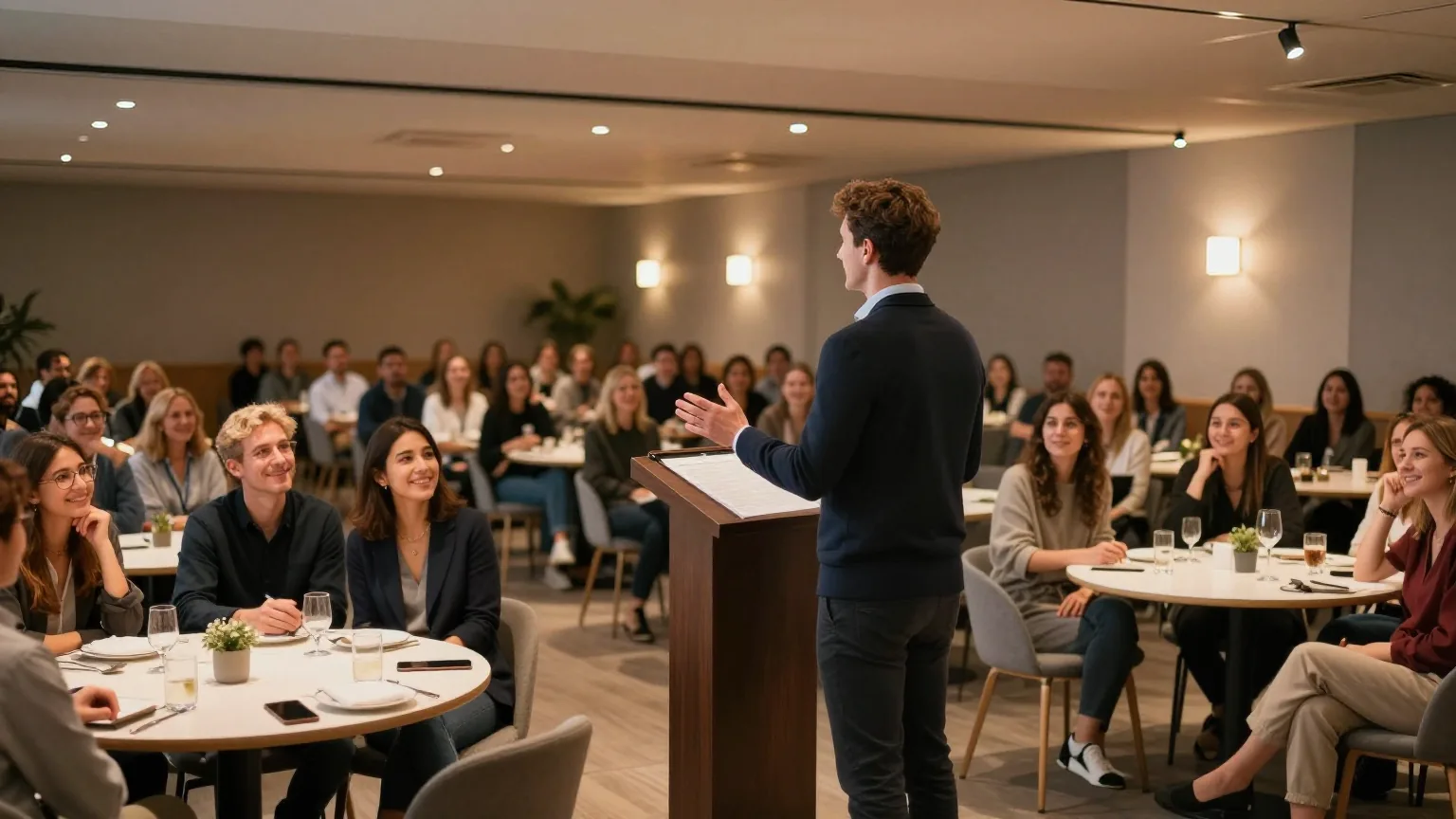
To understand where we are in 2026, we must briefly look at where we came from. Speed dating has been around for decades, but its mechanics have refined significantly. Traditionally, the format was rigid: men sat on one side, women on the other, and a bell rang every five minutes. While this structure remains the backbone of many events, the 2026 standard has diversified. The core purpose remains the same: to determine chemistry quickly. As noted by relationship experts, it helps you quickly determine chemistry because online dating apps often allow people to chat for weeks only to find out they have zero attraction when they meet in person [3].
In today’s market, hosts are moving away from the "one-size-fits-all" five-minute slot. Many successful organizers now utilize a hybrid model. For instance, some events feature 7-minute slots to allow for a deeper initial conversation, while others incorporate "breakout" sessions where small groups of 4-6 people discuss a specific topic for 15 minutes before rotating. This nuance is critical. The goal is not just to meet someone, but to determine whether there is instant attraction or chemistry between two people [3]. By varying the duration and format, hosts can cater to different comfort levels, reducing the anxiety that often plagues first-time participants. The "playbook" now requires a flexible approach to time management, ensuring that the pace feels energetic without being frantic.
Defining Your Niche: Why Generalists Fail
One of the most common mistakes new hosts make in 2026 is trying to appeal to everyone. The era of the "general singles mixer" is largely over. Successful events today are hyper-niche. Why? Because shared interests create natural conversation starters and lower the barrier to entry. If you host an event for "singles aged 25-40," you are competing with every other event in the city. But if you host an event for "tech professionals who love hiking" or "creative directors who enjoy vinyl records," you create a unique value proposition.
This niche approach also aligns with the demographic trends of 2026. Busy single professionals are the primary demographic driving the industry forward. These individuals often lack the time for traditional dating but are willing to invest in structured experiences that promise efficiency. The world’s largest speed dating services have maintained their dominance for over 15 years by focusing on these specific segments, conducting monthly events in over 90 cities and facilitating over 5 million dates [1]. For a local host, the lesson is clear: know your audience intimately. What are their hobbies? What are their pain points? What makes them feel safe and comfortable? The more specific your niche, the higher the conversion rate from event attendee to successful match.
Venue Selection: Setting the Stage for Romance
The venue is not just a backdrop; it is a character in the story of your event. In 2026, attendees expect an aesthetic experience. A dimly lit basement or a sterile conference room will not cut it. The environment must facilitate conversation, not hinder it. Acoustics are paramount. If people have to shout to be heard, the chemistry dies instantly. You need a space with good ambient sound control, perhaps with a slight hum of background music that is low enough to allow for intimate dialogue but high enough to mask awkward silences.
Lighting is another critical factor. Harsh overhead lights are the enemy of romance. Opt for warm, soft lighting that flatters all skin tones and creates a cozy atmosphere. The layout of the room should encourage eye contact. Traditional speed dating setups often use round tables for two, which is ideal for direct engagement. However, some modern hosts are experimenting with "standing" formats or lounge areas for pre-event mingling. The key is to ensure that the physical space feels safe and inviting. Attendees should feel that they are in a controlled, respectful environment where they can relax and be themselves. The venue should reflect the tone of the event: professional yet playful, elegant yet accessible.
The Psychology of the "Spark": Managing Expectations
Hosts must understand the psychological dynamics at play during a speed dating event. Participants are often in a state of high cognitive load. They are assessing, filtering, and deciding all at once. This can lead to "paralysis by analysis," where attendees overthink their responses and miss out on genuine connections. Your role as a host is to mitigate this anxiety. This is where your pre-event communication becomes vital. You must clearly communicate the rules, the format, and the expectations.
One effective strategy is to provide "conversation prompts" or "icebreakers" at the tables. These can be simple questions like "What’s the best trip you’ve ever taken?" or "What’s a skill you’ve always wanted to learn?" These prompts serve two purposes: they break the ice and they give attendees a shared focus, reducing the pressure to come up with original topics on the fly. Furthermore, hosts should emphasize the concept of "curiosity over judgment." Encourage attendees to ask open-ended questions and listen actively. The goal is not to impress, but to discover. When attendees shift their mindset from "selling themselves" to "exploring the other person," the quality of the interactions improves dramatically. This shift in perspective is often what separates a mediocre event from a memorable one.
Technology Integration: The Digital Safety Net
In 2026, technology is not an afterthought; it is integral to the speed dating experience. The days of handing out paper cards with phone numbers are largely a thing of the past, replaced by secure, app-based matching systems. These systems offer several advantages: they protect privacy, they streamline the matching process, and they provide data insights for the host. Attendees can indicate interest via a simple tap on their phone or a QR code scan, eliminating the awkwardness of exchanging contact information in person.
However, technology must serve the human connection, not replace it. The app should be user-friendly, intuitive, and fast. If the system is clunky or slow, it disrupts the flow of the event and increases frustration. Hosts should invest in robust, reliable tech solutions that can handle high volumes of data without crashing. Additionally, consider incorporating virtual elements for hybrid events. With the rise of remote work and digital nomadism, many singles are located in different cities or countries. Virtual speed dating allows you to expand your reach without the logistical challenges of physical venues. The complete playbook for 2026 includes setups for virtual speed dating, corporate networking, and even wedding singles mixers [4]. This flexibility allows you to offer a tiered service: in-person events for local clients and virtual events for a global audience.
Marketing and Branding: Selling the Experience, Not the Date
How do you market a speed dating event in a world saturated with dating apps? You stop selling "dates" and start selling "experiences." Your marketing materials should focus on the emotional benefits: the thrill of discovery, the safety of a curated environment, and the joy of human connection. Use high-quality visuals that showcase the atmosphere of your events. Testimonials from past attendees are powerful tools; they build trust and social proof. Highlight the success stories, but also emphasize the community aspect. People want to belong to a tribe, and your event can be the gateway to that tribe.
Pricing is another critical marketing consideration. In 2026, attendees are willing to pay a premium for quality. Position your event as a premium experience, not a budget option. This signals value and exclusivity. Offer tiered pricing models: a basic ticket for the event, a premium ticket with additional perks (like extended time slots or priority matching), and a VIP package that includes pre-event mingling or post-event follow-up services. Transparency in pricing is essential. Clearly state what is included, such as drinks, food, or entry to after-parties. Avoid hidden fees, as these can lead to negative reviews and damage your brand reputation. Your marketing should reflect the professionalism and care that you bring to the event itself.
Managing the Flow: The Host’s Role During the Event
The host is the conductor of the orchestra. Your presence on the floor is critical to the success of the event. You are not just an observer; you are an active participant in the experience. Your role is to keep the energy high, manage the timing, and assist attendees who may be struggling. Be visible, approachable, and friendly. Smile, make eye contact, and offer help where needed. If you notice a table that is quiet or awkward, step in with a light comment or a question to break the tension. Conversely, if you see a pair that is clearly connecting, give them space and do not interrupt.
Timing is everything. The bell (or signal) must be clear and consistent. Ambiguity about when the round is over can lead to confusion and frustration. Use a visual signal, such as a light change or a specific sound, in addition to the verbal announcement. This ensures that everyone knows when to move, even if they are deep in conversation. Between rounds, take a moment to reset the energy. Play some upbeat music, encourage people to stretch or get a drink, and use this time to check in with your staff. This "breather" period allows attendees to decompress and prepare for the next round, maintaining a sustainable pace throughout the event.
Handling Awkwardness and Conflict
No matter how well you plan, awkward moments will happen. Someone might be too forward, another might be too shy, or a conversation might go off the rails. As the host, you must be prepared to handle these situations with grace and professionalism. If you notice a participant being uncomfortable or harassed, intervene immediately and discreetly. Have a clear code of conduct that is communicated to all attendees before the event. This code should outline expectations for behavior, respect, and boundaries. Enforce it consistently and without hesitation.
For minor awkwardness, such as a lull in conversation, you can often let it resolve itself. However, if you see a pattern of negative behavior, address it privately. A quick, calm reminder about the event’s values can often de-escalate a situation. Remember, your primary goal is to ensure a safe and positive environment for all attendees. You are the guardian of that space. By handling conflict proactively and respectfully, you build trust with your audience and protect your brand. Most attendees will never even know that an issue occurred, but they will feel the safety and care that your intervention provided.
Post-Event Follow-Up: The Matchmaking Magic
The event does not end when the last round concludes. The true value of speed dating is realized in the post-event phase. This is where you deliver on your promise of helping people find connections. The speed of the matching process is critical. Attendees are most excited and engaged immediately after the event. If you wait days or weeks to send out the results, the momentum will fade, and the success rate will drop. Aim to process the data and send out the matches within 24-48 hours.
When sending the results, be clear and concise. Provide the contact information of the mutual matches, along with a brief note encouraging them to reach out. You can also include a suggested opening line or conversation starter to help them break the ice. This small touch can make a big difference in the likelihood of a successful first date. Follow up with attendees a week later to ask how their dates went. This feedback loop is invaluable for improving your future events. It also keeps your brand top-of-mind and encourages attendees to return for future events. The post-event experience is an extension of the event itself; treat it with the same level of care and attention.
Financial Viability: Making the Numbers Work
Ultimately, speed dating is a business. To sustain your operation, you must ensure that your events are financially viable. This requires a clear understanding of your costs and revenue streams. Your costs include venue rental, staff wages, technology fees, marketing expenses, and supplies (such as name tags, pens, and refreshments). Your revenue comes from ticket sales, sponsorships, and ancillary services. To maximize profitability, you need to optimize your capacity. Selling out an event is not just a badge of honor; it is a financial necessity. Use dynamic pricing strategies to fill seats, such as early-bird discounts or last-minute deals.
Diversify your revenue streams where possible. Sponsorships from local businesses, such as wine shops, restaurants, or dating coaches, can provide additional income and add value to your event. You can also offer corporate packages, where companies pay for their employees to attend networking or singles mixers. This opens up a new market segment and allows you to leverage your expertise in a different context. By carefully managing your finances and exploring multiple revenue streams, you can build a sustainable and profitable business that continues to grow in 2026 and beyond.
The Future of Speed Dating: Trends to Watch
As we look ahead, several trends are shaping the future of speed dating. One of the most significant is the integration of AI and data analytics. Hosts are beginning to use AI to analyze attendee preferences and behaviors, allowing for more personalized matching and event customization. This technology can help identify patterns that human hosts might miss, leading to higher success rates and more satisfied attendees. Another trend is the rise of "micro-events." These are smaller, more intimate gatherings that focus on a very specific niche or interest. These events are easier to manage, more cost-effective, and often more successful in creating deep connections.
There is also a growing emphasis on sustainability and social responsibility. Attendees are increasingly looking for events that align with their values. Hosts who incorporate eco-friendly practices, such as digital ticketing, minimal waste, and local sourcing, are gaining a competitive edge. By staying ahead of these trends and continuously innovating, you can ensure that your speed dating events remain relevant and desirable in the ever-evolving dating landscape. The future belongs to those who can blend technology with humanity, efficiency with empathy, and tradition with innovation.
Conclusion: Your Invitation to Connect
Hosting a speed dating event in 2026 is more than just a job; it is an opportunity to facilitate human connection in a world that often feels disconnected. By following this ultimate playbook, you can create events that are not only successful but also meaningful. You can help people find the love, friendship, and community they are seeking. The key is to be intentional, thoughtful, and adaptable. Listen to your attendees, learn from your experiences, and always strive to improve. The demand for genuine connection is not going away; it is growing. And with the right approach, you can be at the forefront of this movement, helping to build a world where finding love is a little bit easier, and a lot more fun.
So, what are you waiting for? The next event is just around the corner. Whether you are planning a small, intimate mixer or a large-scale citywide event, the tools and insights you need are here. Start by defining your niche, securing the perfect venue, and building a team that shares your passion for connection. Then, launch your event with confidence and care. The world is full of singles waiting to meet their match, and you have the power to bring them together. Let’s make 2026 the year of connection. Your next great event is waiting to be hosted.