Why App Burnout Is Making In-Person Speed Dating the New Trend
The Swipe Fatigue: Why App Burnout Is Making In-Person Speed Dating the New Trend
It is 9:45 PM on a Tuesday. You are sitting on your couch, thumb hovering over your phone screen, staring at a profile of a person who looks exactly like your ex, or perhaps someone who has listed “wining and dining” as their primary hobby but refuses to answer the simple question of what they do for a living. You swipe left. Then right. Then left again. After an hour of this digital roulette, you feel a distinct sense of hollowness in your chest. You haven’t matched with anyone who makes your heart skip a beat, and your wrist is starting to ache from the repetitive motion. This is the modern reality for millions of singles: dating app burnout.
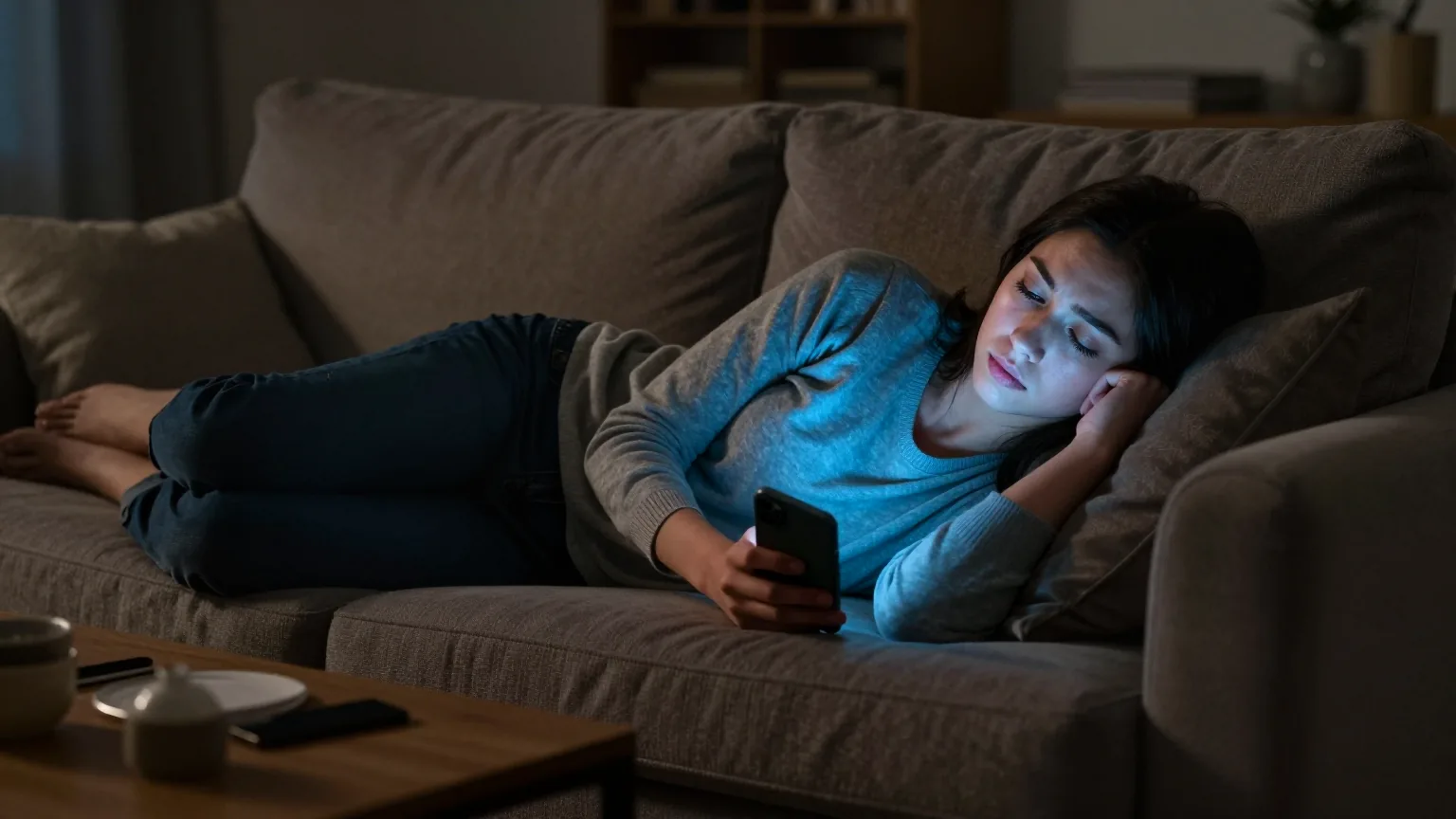
For over a decade, the smartphone was the undisputed king of romance. We were told that algorithms could find our perfect match, that the convenience of meeting someone in our pajamas was the future, and that the traditional “meet-cute” was a relic of a bygone era. But in 2026, the tide is turning. A quiet but powerful rebellion is underway. Singles are quietly ditching the endless scroll for something unexpected: in-person connection. Specifically, they are flocking to speed dating events, social mixers, and hobby-based gatherings. The era of the "ghosted ghost" is being replaced by the era of the "face-to-face chat."
Why now? Why, after years of digital dominance, are we running back to the physical world to meet potential partners? The answer lies in a complex mix of psychological fatigue, a craving for authenticity, and a practical shift in how we value our time and attention. Let’s dive into why in-person speed dating is no longer a desperate last resort for the hopeless romantics, but rather the new, sophisticated trend for those who are serious about finding love.
The Anatomy of Digital Exhaustion
To understand the rise of in-person dating, we first have to dissect the phenomenon of "app burnout." It is not just about being tired of using an app; it is a cognitive and emotional state caused by the sheer volume of low-stakes interactions that digital platforms encourage. When you swipe, you are making a binary decision about a human being in a fraction of a second. This high-speed, low-commitment process creates a paradox of choice that leaves many users feeling worse than before they started.
Recent reporting highlights that this burnout is driving more singles to speed dating, social mixers, and hobby-based events as they search for meaningful relationships offline [5]. The digital interface strips away the nuance of human interaction. You cannot hear the tone of someone’s voice through a profile photo. You cannot gauge their body language when they laugh. You cannot smell their perfume or cologne. When you meet someone in person, you are engaging with their full sensory presence. This richness is something that a 2D image on a screen simply cannot replicate. The burnout is, in many ways, a rejection of the dehumanizing aspect of algorithmic matchmaking. We are tired of being reduced to data points, and we are hungry for the messiness and magic of real human connection.
Historical Context: The Return of the Mixer
It is worth noting that this trend is not entirely new; it is a cyclical return to a practice that has roots in the early 20th century. Speed dating, as a formalized event, gained traction in the late 1990s and early 2000s, particularly in the United States, as a way to help busy professionals meet people without the pressure of a traditional date. It was often viewed with a mix of skepticism and hope. Some saw it as a game, a fun night out with friends, while others saw it as a legitimate pathway to marriage.
For a long time, speed dating was somewhat niche. It was the domain of the "active daters," those who were willing to put in the work. However, the stigma associated with it has largely dissipated. In the early days, there was a perception that if you were at a speed dating event, you must have failed to find someone on your own. Today, that narrative has flipped. Attending a mixer is seen as a proactive, confident choice. It signals that you are taking your love life seriously and are willing to step out of your comfort zone. The cultural shift has turned the speed dating table into a symbol of intentionality rather than desperation.
The Psychology of Proximity and Presence
Why does the physical presence of another person matter so much? Psychology offers several insights into why in-person interactions are superior for building initial attraction. The "mere exposure effect" suggests that repeated exposure to a stimulus increases liking. In a speed dating event, you are exposed to a series of potential partners in a short amount of time. While this is faster than a typical relationship, it allows for a rapid assessment of chemistry that is impossible to achieve through text.
Furthermore, the concept of "embodied cognition" plays a role. Our bodies and minds are interconnected. When you sit across from someone, your body language mirrors theirs. You pick up on micro-expressions, the rhythm of their speech, and the energy they bring to the room. These non-verbal cues are critical in determining compatibility. A text message can be witty, charming, or flirty, but it cannot convey warmth, confidence, or vulnerability. In-person speed dating forces you to engage with these deeper layers of communication, leading to more accurate assessments of potential partners.
The Rise of the Curated Experience
One of the most significant factors driving the in-person trend is the rise of curated, high-quality events. The days of standing in a crowded bar with a clipboard and a timer are fading. Modern speed dating organizations are focusing on creating experiences that feel less like an interrogation and more like a sophisticated social gathering. These events are designed to be engaging, fun, and conducive to conversation.
Organizers are moving beyond the traditional "sit and chat" format. They are incorporating icebreakers, themed conversations, and even group activities to break the ice and create a relaxed atmosphere. The goal is to reduce the pressure on the participants. When the environment is enjoyable, people are more likely to be themselves. They are more likely to laugh, share stories, and connect on a deeper level. This shift in event design reflects a broader understanding of what singles want: not just a chance to meet someone, but a chance to have a good time while doing so.
Technology as a Facilitator, Not a Replacement
It is a common misconception that the move to in-person dating is a rejection of technology. In reality, technology is playing a crucial role in facilitating these in-person experiences. Apps and platforms are being used to manage logistics, match participants based on preferences, and even provide post-event feedback. However, the core interaction remains face-to-face.
For example, some services use apps to allow participants to indicate their interest in a match after the event, eliminating the awkwardness of exchanging numbers in a crowded room. This hybrid approach combines the convenience of digital tools with the authenticity of in-person connection. It allows singles to take their time to decide who they want to pursue, while still benefiting from the immediate chemistry of the event. This integration of technology and tradition is a key reason why in-person speed dating is becoming more accessible and appealing to a wider audience.
The Social Component: Dating as a Group Activity
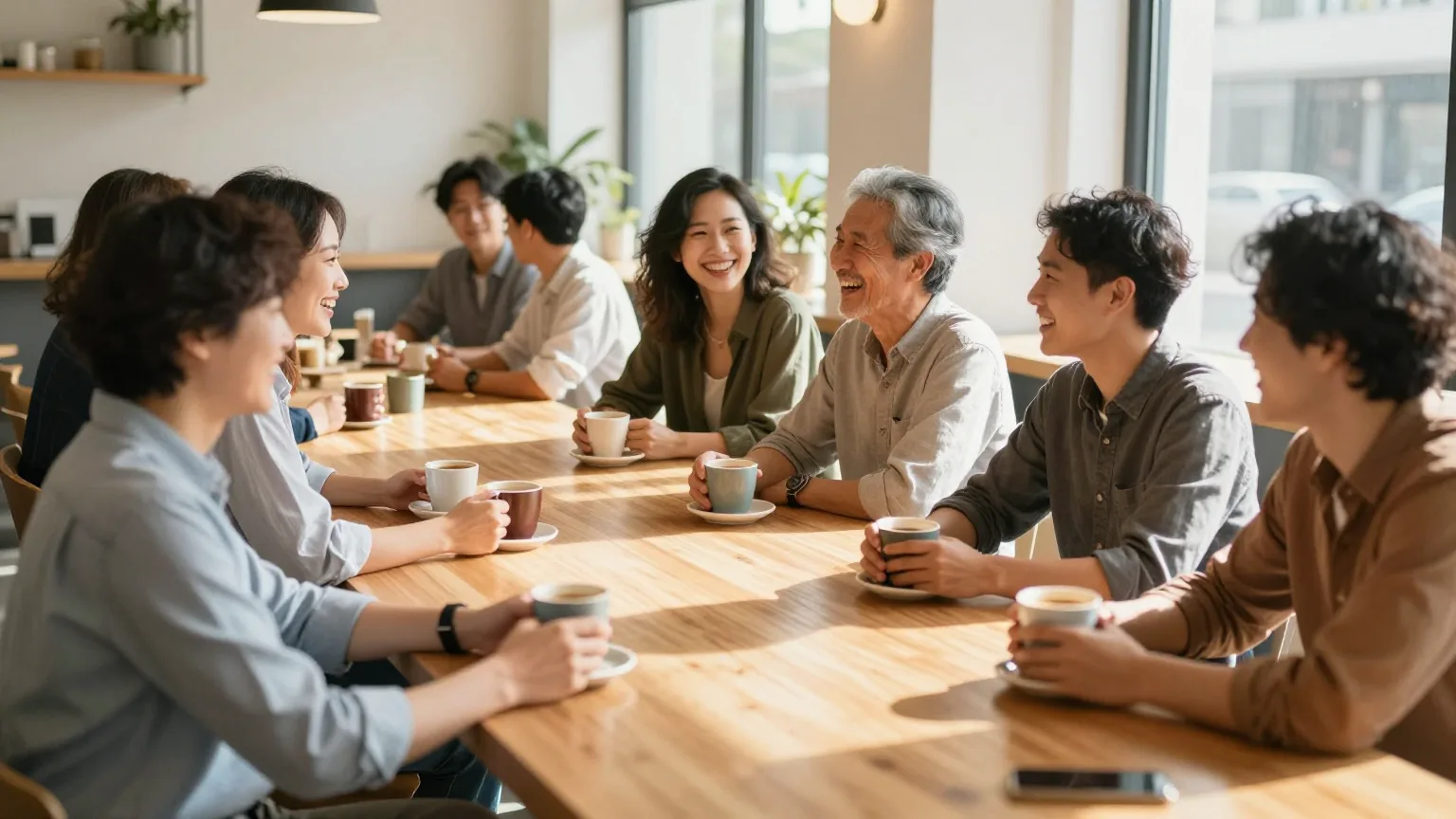
Another major driver of the in-person trend is the social aspect. For many singles, going on a date alone can be isolating and stressful. Speed dating events, on the other hand, are inherently social. You are surrounded by other people who are in the same boat, looking for love. This shared experience creates a sense of community and reduces the anxiety associated with dating.
Events are often marketed as "social mixers" rather than just dating events, emphasizing the opportunity to meet new friends as well as potential partners. This broader focus on social connection is a significant advantage over apps, where the sole purpose is to find a romantic match. By framing the experience as a social outing, organizers are appealing to a wider demographic, including those who may not be actively looking for a serious relationship but are open to meeting new people. This inclusivity is helping to normalize in-person dating as a regular part of social life, rather than a desperate measure.
Demographic Shifts: Who is Showing Up?
Who is driving this trend? While speed dating has always appealed to a broad range of ages, the most significant growth is seen among young professionals and older singles. Young professionals, often in their late 20s and 30s, are busy with their careers and have limited time for traditional dating. Speed dating offers an efficient way to meet multiple potential partners in one evening. It fits into their busy schedules and allows them to make the most of their free time.
Older singles, particularly those in their 40s, 50s, and beyond, are also increasingly turning to in-person events. This demographic is often more experienced with dating and is more discerning about what they are looking for. They are less interested in the gamification of apps and more interested in genuine connection. Speed dating events provide a structured environment where they can meet people who are serious about finding a partner. The shift in demographics reflects a broader recognition that in-person dating is not just for the young and the desperate, but for anyone who values quality over quantity.
The Role of Local Communities and Venues
The success of in-person speed dating is heavily dependent on the local community and the venues chosen for the events. Organizers are increasingly partnering with local businesses, such as breweries, bookstores, and art galleries, to host events. These unique venues create a more relaxed and engaging atmosphere than traditional bars or restaurants. They also allow for a wider range of conversation topics, from the craft beer on offer to the artwork on the walls.
By leveraging local communities, organizers are able to create events that feel more authentic and connected to the local culture. This approach also helps to support local businesses and fosters a sense of community. The result is a more enjoyable experience for the participants, who are not just meeting potential partners, but also exploring their local community. This integration of dating and community building is a key differentiator for in-person events, making them more attractive to singles who are looking for a holistic experience.
Challenges and Considerations
While the trend toward in-person speed dating is promising, it is not without its challenges. One of the main concerns is the safety and comfort of the participants. Organizers must ensure that the events are safe, welcoming, and inclusive. This includes having clear codes of conduct, providing staff to monitor the events, and offering options for participants to opt out of certain interactions if they feel uncomfortable.
Another challenge is the potential for awkwardness. Speed dating can be a high-pressure environment, and not everyone is comfortable with the rapid pace of meeting new people. Organizers must work to create an atmosphere that is relaxed and fun, reducing the pressure on the participants. This can be achieved through careful event design, such as incorporating group activities and providing clear instructions on how to conduct the conversations.
Additionally, there is the issue of cost. In-person events can be more expensive than using apps, which are often free or have low monthly fees. Organizers must strike a balance between offering a high-quality experience and keeping the price accessible. Many events offer a tiered pricing structure, with lower-cost options for those who may not be able to afford the premium experience. This ensures that in-person dating remains accessible to a wide range of singles.
The Future of In-Person Dating
As we look to the future, it is clear that in-person speed dating is here to stay. The trend is likely to continue to grow as more singles recognize the benefits of face-to-face connection. We can expect to see further innovation in event design, with more creative formats and unique venues. We can also expect to see a greater integration of technology, with apps and platforms playing an even more significant role in facilitating in-person experiences.
The future of dating is not about choosing between digital and in-person, but about finding the right balance. For many singles, a hybrid approach will be the most effective. They will use apps to meet people in their area, but they will prioritize in-person interactions for building deeper connections. This balance will allow them to enjoy the convenience of digital tools while still benefiting from the authenticity of face-to-face connection.
Ultimately, the rise of in-person speed dating is a testament to the enduring power of human connection. No matter how advanced our technology becomes, we will always crave the warmth, the laughter, and the vulnerability of being in the same room as another person. The app burnout is a sign that we are ready to put down our phones and pick up our lives, one conversation at a time.
Conclusion: Embrace the Offline Romance
If you are feeling the weight of app burnout, now is the time to consider stepping out of the digital world and into the real one. In-person speed dating offers a fresh, engaging, and authentic way to meet potential partners. It is a chance to connect with others in a meaningful way, to explore your local community, and to experience the joy of face-to-face interaction. Whether you are a young professional looking for efficiency or an older single looking for quality, there is a place for you at the speed dating table.
So, why wait? The next time you feel the urge to swipe left on yet another profile, consider booking a ticket to a local speed dating event. Bring your curiosity, your openness, and your sense of humor. You might just find that the person you are looking for is not on your screen, but sitting right across from you, waiting for you to say hello. The future of romance is not just in your pocket; it is in your presence.
Call to Action: Find Your Local Event
Ready to make the switch? Here are some steps to get you started:
- Research Local Organizers: Look for reputable speed dating organizations in your area. Check their reviews and see what types of events they offer. For example, services like Pre-Dating offer monthly events in over 90 cities, providing a wide range of opportunities for busy professionals [1].
- Explore Different Formats: Don’t limit yourself to traditional speed dating. Look for events that incorporate social mixers, hobby-based activities, or themed nights. These formats can make the experience more enjoyable and less pressure-filled.
- Check Eventbrite and Local Listings: Platforms like Eventbrite often list upcoming speed dating events in your area, allowing you to find options that fit your schedule and preferences [4].
- Be Open and Present: When you attend the event, leave your phone in your pocket. Focus on the person in front of you. Be curious, be kind, and be yourself. The best matches are often the ones you least expect.
- Follow Up: If you match with someone, don’t be afraid to reach out. Use the in-person connection as a foundation for your first date. The chemistry you felt in the room will be easier to build upon than a digital first impression.
The movement away from app burnout and toward in-person connection is a powerful reminder that love is not just a game to be played, but a relationship to be built. By embracing the offline experience, you are not just finding a date; you are reclaiming your time, your attention, and your humanity. The next great love story might be waiting for you, not on a screen, but in a room full of people, ready to share their stories with you.