Why 1,026 Speed Datiers Prove It Still Works in 2026
Let’s be honest: the modern dating landscape in 2026 can feel less like a romantic adventure and more like a high-stakes job interview where the salary is "compatibility" and the performance review happens every three minutes. We have swiped through thousands of profiles, curated our digital personas to perfection, and developed a specific eye twitch for photos that are slightly too bright or slightly too filtered. The question haunting many singles is no longer "Will I find love?" but rather, "Is there still a human being out there who wants to talk to me in a room that isn’t mediated by an algorithm?"
For years, speed dating was viewed with a mix of skepticism and pity. It was the "last resort" for the socially awkward, a quirky novelty that never quite shook off its party-game origins. But as we navigate the latter half of the 2020s, the narrative has shifted. We are seeing a resurgence of in-person connection, driven by a collective fatigue with digital isolation and a renewed desire for authenticity. To understand if this trend is just a passing fad or a structural change in how we form relationships, we need to look at the data. Specifically, we need to look at what happened when 1,026 real people, across 35 cities, took the plunge.

In this post, we are digging into the numbers, the psychology, and the practical realities of speed dating in 2026. We’re going to explore why this low-tech, high-touch method is not only surviving but thriving in an age of hyper-connection. And yes, we’re going to talk about the cards, the timers, and the slightly awkward silences that make it all work.
The Data Doesn’t Lie: What 1,026 Attendees Told Us
When you rely on anecdotes, you get stories. When you rely on data, you get patterns. A recent comprehensive analysis of Smart-Card data from 1,026 speed dating attendees across 35 cities provides a rare, unfiltered look at the efficacy of this format [1]. These aren’t hypothetical scenarios; these are real people who sat across from strangers, exchanged small talk, and decided whether they wanted to see them again.
The most striking finding? Speed dating still works. But "works" needs to be defined carefully. It isn’t necessarily about finding your soulmate in a four-minute slot. It is about efficiency. The data suggests that speed dating significantly lowers the barrier to entry for meeting new people. In the app era, a single conversation can take days to establish. In speed dating, you have a guaranteed, face-to-face interaction with multiple potential partners in a single evening. The "Smart-Card" system mentioned in the study allows for immediate, anonymous feedback, removing the fear of rejection that often paralyzes people in one-on-one dates. You’re not asking someone out; you’re just indicating interest. That psychological safety net is crucial.
Furthermore, the data highlights a trend in "second events." Many attendees who didn’t find a match at their first event returned for subsequent ones. This suggests that speed dating functions less like a lottery and more like a practice run. It builds confidence. It helps people calibrate their expectations and refine their approach to conversation. In a world where dating apps can feel like a black hole for your self-esteem, the structured environment of a speed dating event offers a controlled space to fail, learn, and try again without the lingering guilt of a ghosted conversation.
The Psychology of the Four-Minute Window
Why four minutes? Why not ten? Why not two? The duration of a speed dating round is a carefully calibrated psychological experiment. It is long enough to move past the initial "hello" and into the realm of genuine personality, but short enough to prevent the "performance mode" that often kicks in during longer dates. When you know the timer is ticking, people tend to be more honest. They are less likely to pretend to be someone they aren’t because the stakes are lower. If you don’t vibe, you don’t have to spend another hour politely lying about enjoying their favorite podcast.
This format also leverages the "mere exposure effect" in a unique way. By meeting ten or twelve different people in one night, you are exposing yourself to a variety of personality types, communication styles, and physical presences. This rapid sampling allows your brain to process what you actually want in a partner more quickly than the slow drip of app conversations. It’s a form of accelerated learning. You learn what you like, what you don’t like, and what makes you uncomfortable, all within a few hours. This self-awareness is a byproduct that many singles find as valuable as the potential match itself.
From Party Game to Professional Service: The Evolution of Speed Dating
To understand where we are in 2026, we have to look back at where we started. Speed dating is often credited to Rabbi Yaakov Deyo in Los Angeles in the late 1990s. It was a radical idea at the time: a structured, timed, group-based approach to romance. For the first decade, it was often seen as a novelty, a bit of a party trick for singles who were too shy to go to a bar. It was chaotic, often poorly organized, and lacked the professionalism that modern dating consumers have come to expect.
However, the landscape has changed. Today, speed dating is a legitimate industry. Companies like Pre-Dating, which claims to be the world’s largest speed dating service, host monthly events in over 90 cities [4]. This scale indicates a demand that is far beyond a niche interest. It suggests that speed dating has matured into a reliable service with standardized protocols, professional hosts, and consistent experiences. The "quirky" aspect has been polished into something more refined and accessible. This maturation is key to its survival. People are willing to pay for a curated experience that guarantees they will meet people who share their age range, location, and often, their interests.
The Rise of the "Smart Card" and Digital Integration
One of the most significant innovations in recent years is the integration of technology into the speed dating process, specifically through tools like the "Smart Card." While speed dating is inherently analog, the use of digital feedback systems has streamlined the post-event experience. In the past, the "card game" involved writing names on pieces of paper and hoping the organizer got the matching right. It was prone to error and could feel impersonal.
Modern systems, as analyzed in the 1,026 attendee study, use digital cards or apps to record matches instantly [1]. This not only improves accuracy but also allows for data collection that helps organizers improve future events. It creates a closed loop of feedback. If a certain type of event (e.g., ages 25-35, specific venue) has a higher match rate, organizers can optimize their offerings. For the attendee, it means a faster, more reliable way to know if someone else was interested. This digital layer adds a sense of professionalism and reliability that was missing in the early days of speed dating. It bridges the gap between the tactile, human experience of in-person dating and the efficiency of the digital age.
Navigating the Modern Dating Fatigue
By 2026, "dating fatigue" is a widely recognized phenomenon. It’s the exhaustion that comes from the endless cycle of swiping, matching, messaging, and ghosting. Many people have reported feeling burned out by the superficiality of app-based interactions. Speed dating offers a direct antidote to this fatigue. It removes the uncertainty of the "will they reply?" phase. You know you will talk to them. You know you will see their face. You know you will hear their voice. This certainty is refreshing.
Moreover, speed dating allows you to meet people in a neutral, public setting. This reduces the pressure that often accompanies a one-on-one date. If the conversation doesn’t go well, it’s over in four minutes, and you move on to the next person. There’s no awkward "let’s do this again sometime" moment. The structure of the event provides a built-in exit strategy. For many singles, this low-stakes environment is exactly what they need to re-engage with the dating world after a period of burnout. It’s a way to dip your toes back into the water without committing to a full swim.
Who Is Speed Dating For in 2026?
One of the misconceptions about speed dating is that it’s only for a specific type of person. In reality, the demographic has broadened significantly. While it was once dominated by young professionals in their late 20s and early 30s, today’s events cater to a wide range of ages and interests. For example, The Next Fun Thing in Los Angeles offers events for ages 26-40, as well as 21+ experiences in various neighborhoods like Glendale, Atwater Village, and Lincoln Heights [5]. This variety ensures that people can find an event that aligns with their specific lifestyle and preferences.
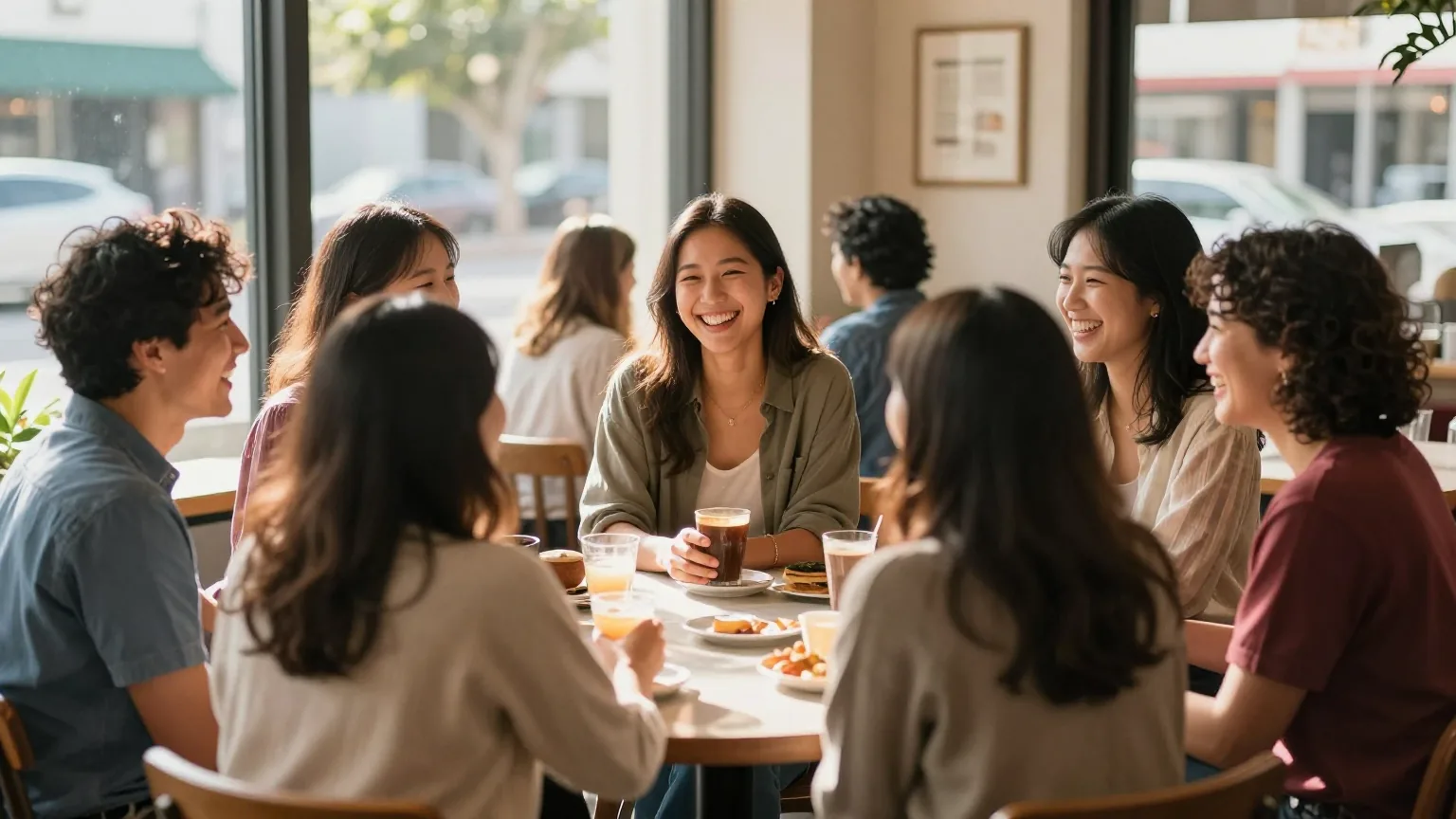
It’s not just for the "romantic" singles either. Many people attend speed dating events simply to meet new friends, expand their social circle, or practice their social skills. The format is inherently social, and the shared experience of participating in the event creates a natural bond among attendees. Even if you don’t find a romantic match, you’re likely to leave with new acquaintances and a sense of community. This social aspect is a major draw in an era where many people feel isolated despite being constantly connected online.
The Role of Venue and Atmosphere
Don’t underestimate the power of the venue. A speed dating event in a sterile community center will feel very different from one in a stylish cocktail lounge or a cozy bookstore. The atmosphere sets the tone for the interactions. A relaxed, comfortable environment encourages open conversation and helps people feel at ease. Organizers like Happy Hour Speed Dating focus on making meeting people in real life "cool again," which implies a deliberate effort to create an appealing, modern atmosphere [3].
The choice of venue can also signal the type of crowd you’ll encounter. A corporate networking mixer will have a different vibe than a wedding singles mixer. Fotify’s guide to hosting speed dating events in 2026 highlights the importance of considering the venue, timing, and format when planning an event [2]. This attention to detail ensures that the experience is not just functional but enjoyable. It’s about creating a space where people feel safe, comfortable, and excited to meet new people. The venue is not just a backdrop; it’s an active participant in the experience.
Overcoming the Awkwardness: Tips for First-Timers
If you’re new to speed dating, the prospect of meeting twelve strangers in a few hours might feel daunting. But here’s the secret: everyone else is feeling the same way. The awkwardness is universal, and it’s part of the charm. To make the most of your experience, here are a few tips:
- Keep it Light: You don’t need to have a profound philosophical debate in four minutes. Stick to light topics like travel, hobbies, and recent experiences. The goal is to find a connection, not to impress.
- Listen More Than You Talk: People love to feel heard. Asking questions and actively listening to the answers is far more effective than trying to one-up the other person with your own stories.
- Be Present: Put your phone away. Focus on the person in front of you. Eye contact and body language speak volumes. Show genuine interest in who they are.
- Don’t Overthink the Card: If you enjoyed the conversation, mark it. If you didn’t, don’t. There’s no right or wrong answer. It’s just a signal. Don’t feel pressured to mark everyone just to be polite, and don’t feel guilty for not marking someone.
Remember, speed dating is not a test. It’s a conversation. Approach it with curiosity and openness, and you’ll likely find that it’s much more enjoyable than you expected.
The Economic Aspect: Is It Worth the Investment?
Speed dating events can range from free (often at community centers or churches) to premium experiences that cost upwards of $50 or more. Is it worth the investment? For many people, yes. When you consider the cost of a traditional date—drinks, dinner, perhaps a movie—speed dating offers a much lower cost per interaction. You’re meeting multiple people for the price of one or two dates. This efficiency is a major draw for budget-conscious singles.
Additionally, the structured nature of the event means you’re not spending hours wondering if you should text someone back. The decision is made in the moment. This saves time and mental energy. In a world where time is one of our most valuable resources, the efficiency of speed dating is a significant advantage. It’s a way to maximize your dating efforts without sacrificing your social life or your wallet.
Cultural Shifts: Why We’re Craving Real Connection
The resurgence of speed dating is part of a larger cultural shift. We are moving away from the hyper-digital, always-on culture of the early 2020s and towards a more balanced approach to technology and human interaction. There is a growing appreciation for the tangible, the present, and the unmediated. People are tired of performing their lives for an audience of followers. They want to be seen, heard, and understood in the moment.
This shift is reflected in the popularity of other in-person activities, from board game nights to hiking clubs to cooking classes. Speed dating fits into this trend perfectly. It’s a way to connect with others in a meaningful way, without the pressure of maintaining a long-term commitment. It’s a low-stakes way to explore the possibility of connection. In a world that often feels fragmented and isolated, speed dating offers a simple, powerful reminder that human connection is still possible, and it’s still worth pursuing.
Looking Ahead: The Future of Speed Dating
As we look to the future, it’s clear that speed dating is here to stay. The data from 1,026 attendees shows that it’s not just a trend, but a sustainable model for meeting people. The integration of technology, the expansion of demographics, and the focus on quality experiences all point to a bright future for this format. We can expect to see even more innovation in the coming years, from AI-matched pairings to virtual reality speed dating. But the core of the experience—the human connection, the timed conversation, the shared moment—will remain the same.
Speed dating is not a cure-all for the modern dating crisis. It won’t guarantee you find your soulmate. But it will give you a chance to meet people you might never have crossed paths with otherwise. It will help you understand yourself better. It will give you a break from the digital grind. And, for many people, it will lead to a relationship that starts not with a swipe, but with a smile.
Conclusion: Take the Plunge
The data is clear: speed dating still works in 2026. It’s efficient, it’s fun, and it’s a reliable way to meet new people. If you’ve been on the fence about trying it, now is the time. Don’t let the fear of awkwardness hold you back. Embrace the structure, lean into the curiosity, and enjoy the experience. Who knows? Your next great story might start with a four-minute conversation and a simple "yes" on a card.
So, what are you waiting for? Check out the local events near you. Whether it’s a casual mixer in Glendale or a professional gathering in your city, there’s a space for you. Take the plunge. You might just find that the old-fashioned way is the best way. And remember, even if you don’t find a match, you’ll walk away with a story, a laugh, and a renewed sense of confidence. And in 2026, that’s worth more than you think.
Sources
- Is Speed Dating Worth It in 2026? Real Data From 1,026 Attendees
- Event Speed Dating 2026: How to Host a Speed Dating Event (Complete Guide)
- Speed Dating 2026 by Happy Hour Speed Dating | Eventbrite
- Speed Dating Singles Events by Pre-Dating - Largest Speed Dating ...
- The Next Fun Thing | Meet new people in Los Angeles