Why Gen Z Is Ditching Swipes for In-Person Speed Dating
The Great Swipe Exodus: Why Gen Z is Trading Algorithms for Handshakes
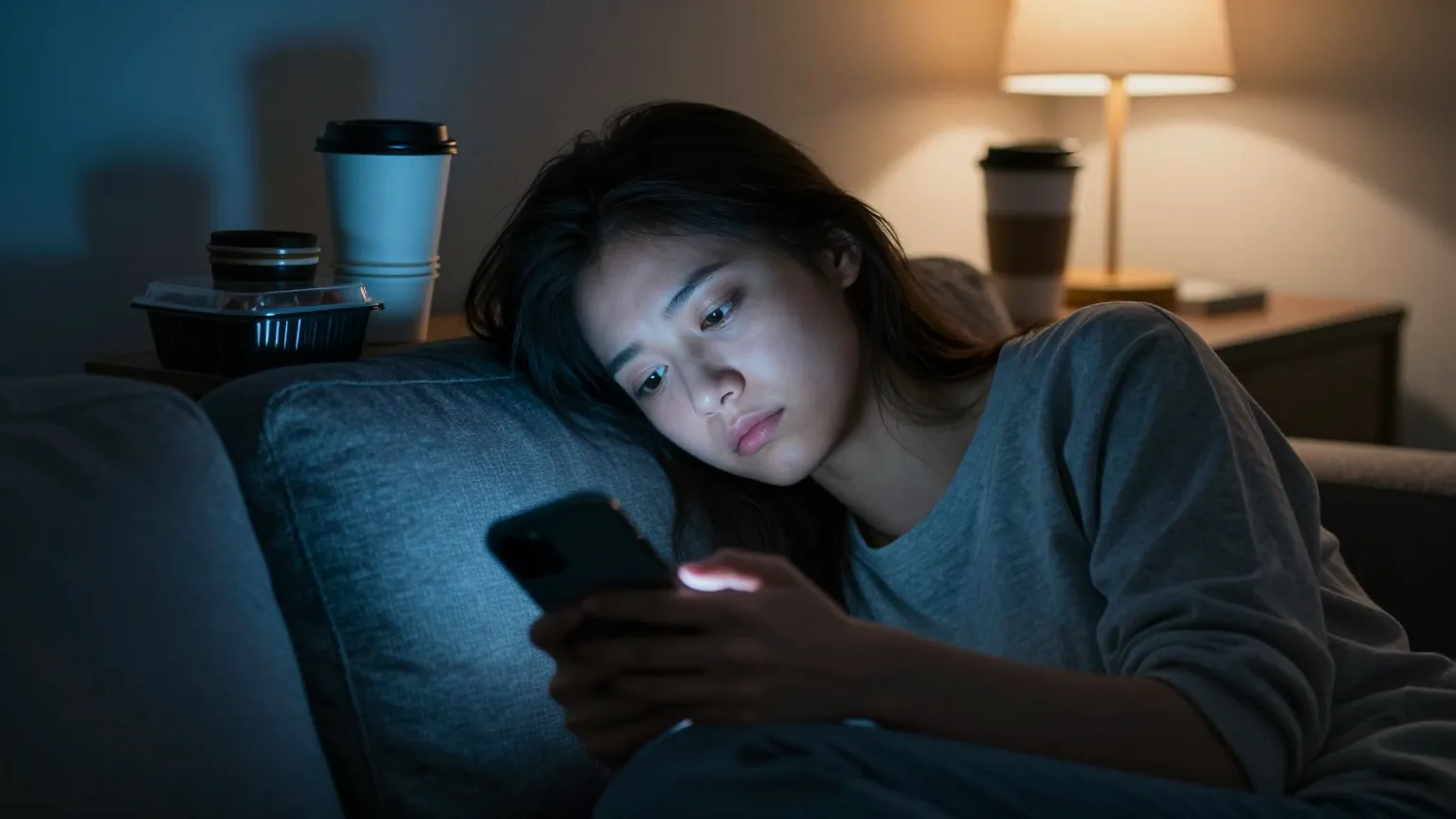
Imagine this: You have spent the last four hours hunched over your phone, thumb moving in a rhythmic, hypnotic dance. Left, left, right. Left, left, left. Right. You are in a state of digital trance, your brain fogging over with the sheer volume of faces that flash by. You match with someone who seems promising. You exchange three messages. Then, silence. Or worse, a reply that is a single emoji. You feel a familiar, hollow ache in your chest. It is not just rejection; it is exhaustion. It is the specific, low-grade burnout that comes from treating human connection like a slot machine you are trying to hit the jackpot on.
Now, imagine a different scenario. It is 7:00 PM on a Friday. You walk into a local bar or community hall. The air smells faintly of craft beer and anticipation. There are 20 other people there, all single, all curious, all looking up from their phones. A host explains the rules: you will have five minutes to talk to one person. When the bell rings, you move to the next table. No algorithms. No "ghosting." No infinite scroll. Just five minutes of genuine, face-to-face interaction. And when the night is over, you might have a real conversation with three, four, or five people who actually remember your name.
This is the reality for a growing number of Gen Z daters. In 2026, the narrative around dating has shifted dramatically. The era of the "swipe" is not over, but it is being challenged by a powerful counter-movement. Gen Z, the generation that is supposed to be the most digitally native, is actively choosing to step away from their screens and into physical spaces. They are ditching the swipes for in-person speed dating, and they are doing so with a sense of purpose and relief that is reshaping the modern dating landscape.
The Anatomy of Dating App Burnout
To understand why Gen Z is leaving the apps, we first have to understand what they are leaving behind. For over a decade, dating apps have been the default gateway for single people. But the mechanics of these platforms have created a psychological environment that is increasingly hostile to genuine connection. The core issue is what psychologists call "paradox of choice." When you have thousands of options at your fingertips, the value of any single option diminishes. Every profile is compared to the next, leading to a constant state of dissatisfaction and decision fatigue.
Recent reporting highlights that dating app burnout is no longer a niche complaint; it is a widespread cultural phenomenon. Singles are quietly ditching the one-tap habit for something unexpected: the old-fashioned approach of meeting people in real life [3]. This shift is not just about tiredness; it is about a fundamental rejection of the gamification of romance. When dating is turned into a game of swiping, the stakes feel low, but the emotional toll is high. Users report feeling more anxious and less confident after using apps for extended periods. The constant need to curate a persona, to craft the perfect bio, and to decode cryptic messages creates a cognitive load that many Gen Z individuals are simply no longer willing to carry.
Furthermore, the lack of accountability on apps is a major driver of this exodus. "Ghosting," where someone simply stops responding without explanation, is rampant on digital platforms. It is easy to disappear into the void of an app. In a physical setting, however, there is a social contract. You are present. You are interacting. The dynamics of accountability and courtesy are naturally stronger in face-to-face interactions, offering a sense of safety and respect that digital interactions often lack.
Gen Z’s Desire for Authenticity and Presence
Gen Z is often characterized by its digital fluency, but it is also a generation that craves authenticity. They have grown up in an era of filtered images, curated feeds, and performative social media. This has led to a deep-seated desire for "unfiltered" experiences. Speed dating, in its traditional form, offers a raw, unmediated human connection. You cannot fake your body language, your tone of voice, or your spontaneous reactions for five minutes. You have to be present.
This generation values "vibes" and energy, things that are difficult to capture in a text-based profile. A photo can be misleading, and a bio can be written by a ghostwriter or an AI. But in a speed dating setting, the chemistry is immediate. Gen Z daters are looking for a "click" that feels organic, not algorithmic. They want to know if they can have a good conversation with someone in person, not just if their interests match on a list. This preference for presence over projection is a key driver of the return to in-person events.
Moreover, Gen Z is more socially conscious than previous generations. They are acutely aware of the environmental and social costs of hyper-consumerism, and they are applying that same critical lens to dating. The "fast fashion" model of dating—where you consume and discard profiles at a rapid pace—is falling out of favor. Instead, they are seeking "slow dating" in a fast-paced format. Speed dating offers the efficiency of a quick filter but the depth of a real conversation. It is a compromise that satisfies both the need for efficiency and the desire for depth.
The Resurgence of the Social Mixer
The shift from apps to in-person events is not just about speed dating; it is part of a broader trend of the "social mixer" revival. Singles are flocking to hobby-based events, book clubs, and community gatherings where the primary goal is not to find a partner, but to meet people. However, speed dating has become the structured version of this desire. It provides the social safety net that open mixers sometimes lack. In an open mixer, you have to figure out how to start a conversation with a stranger. In speed dating, the structure is provided. The ice is broken for you.
Organizers of these events have noticed a significant change in the demographic of their attendees. While speed dating has always been popular with professionals in their 30s and 40s, it is now seeing a surge in participation from the 24-39 and 25-40 age brackets [4]. This is a direct reflection of Gen Z’s entry into the dating pool. These events are no longer seen as "last resorts" for those who failed to find love online, but as premium experiences for those who want to date intentionally.
The venues hosting these events have also evolved. It is no longer just a sterile conference room with a row of tables. Modern speed dating events are hosted in trendy bars, breweries, and community spaces that offer a vibrant atmosphere [4]. For example, venues like TailGate Brewery and The Green Light Bar have become hubs for these structured mixers [4]. The setting is designed to be conducive to conversation, with comfortable seating, good lighting, and a relaxed vibe. This attention to detail reflects the Gen Z expectation that every aspect of their social life should be curated and enjoyable.
How Speed Dating Has Evolved in 2026
Speed dating is not the same as it was in the early 2000s. The format has evolved to meet the needs of modern daters. The classic "five-minute rotation" is still a staple, but there are now variations that cater to different preferences. Some events focus on specific interests, such as "speed dating for book lovers" or "speed dating for hikers." This niche approach allows participants to connect over shared passions, which can serve as a strong foundation for a relationship.
Technology has also been integrated into the speed dating experience, but in a way that enhances, rather than replaces, the human interaction. Many events now use apps or online platforms to handle the logistics. Participants can sign up online, receive their schedule, and even indicate their preferences before the event. After the event, the matching process is often handled digitally. If two people indicate interest in each other, their contact information is exchanged. This hybrid model combines the efficiency of digital tools with the authenticity of in-person interaction [4].
Furthermore, the pricing and accessibility of speed dating have become more varied. Tickets for these events typically range from $10 to $40, making them an affordable option for many young professionals [4]. This is significantly cheaper than the cost of living in major cities, where a single night out can easily cost $100 or more. For Gen Z, who are often facing economic pressures, speed dating offers a low-stakes, high-reward opportunity to meet people. It is a smart investment in their social life.
The Role of Major Cities and Local Communities
The growth of in-person speed dating is not uniform across all regions. It is particularly strong in major cities where the density of single people is high. Cities like Los Angeles, Nashville, and New York have become hotspots for these events [4]. In these urban centers, the demand for social connection is immense, and the supply of digital dating options is saturated. Speed dating offers a fresh alternative that stands out in a crowded market.
However, the trend is also spreading to smaller cities and suburban areas. Organizers are recognizing that the desire for in-person connection is not limited to urban dwellers. In smaller communities, speed dating events often serve a dual purpose: they are a dating opportunity and a community-building exercise. They bring together people from different parts of the city, fostering a sense of local connection that is often missing in the digital age.
The global reach of this trend is also notable. Major speed dating services, such as Pre-Dating, report holding monthly events in over 90 cities [1]. This widespread availability makes it easy for Gen Z daters to find an event near them. Whether they are in a bustling metropolis or a quiet town, the option to step away from the phone and into the room is increasingly accessible. This geographic expansion reflects the universal nature of the burnout that Gen Z is experiencing. It is a global phenomenon, driven by a shared desire for more meaningful connections.
Psychological Benefits of Face-to-Face Interaction
There are significant psychological benefits to shifting from digital to in-person dating. Research in social psychology has long shown that face-to-face interaction releases oxytocin, the "bonding hormone," which helps build trust and intimacy. This chemical response is difficult to replicate through text or video calls. In a speed dating setting, the repeated face-to-face interactions create a sense of familiarity and comfort that accelerates the bonding process.

Additionally, in-person interaction allows for a more accurate assessment of compatibility. Non-verbal cues, such as eye contact, gestures, and tone of voice, provide a wealth of information that is lost in digital communication. These cues are crucial for determining whether two people are a good match. By relying on these cues, Gen Z daters are making more informed decisions about who they want to pursue. This leads to higher quality matches and fewer wasted efforts.
The social aspect of speed dating also provides a buffer against the isolation that can accompany digital dating. When you attend a speed dating event, you are surrounded by other people who are going through the same experience. This creates a sense of camaraderie and shared purpose. Even if you do not find a romantic match, you may make new friends or expand your social network. This social capital is a valuable byproduct of the event, and it contributes to overall well-being.
Challenges and Criticisms of the Speed Dating Revival
While the shift to in-person speed dating is positive, it is not without its challenges. One of the main criticisms is the pressure it places on participants. Five minutes is a short amount of time to make a good impression. This can lead to anxiety and performance stress, particularly for those who are not naturally outgoing. For some, the structured nature of speed dating can feel rigid and unnatural, leading to awkward interactions.
Another challenge is the potential for superficiality. Because the time is limited, participants may focus on surface-level attributes, such as appearance, rather than deeper compatibility. This can lead to mismatches and disappointment. To mitigate this, many organizers provide conversation prompts or questions to guide the discussion. These prompts encourage participants to talk about values, interests, and life goals, rather than just small talk. This helps to ensure that the interaction is meaningful and that the matching process is based on more than just first impressions.
There is also the issue of safety and consent. In any social setting, safety is a paramount concern. Speed dating events must be carefully managed to ensure that all participants feel safe and respected. Organizers must have clear policies regarding behavior, and they must provide a mechanism for reporting any issues. In 2026, with a heightened awareness of personal safety, these measures are more important than ever. Gen Z daters are particularly sensitive to these issues, and they expect a high level of professionalism and care from event organizers.
The Impact on the Dating App Industry
The rise of in-person speed dating is having a significant impact on the dating app industry. Apps are no longer the only option, and they are no longer the default. This competition is forcing apps to adapt and innovate. Major platforms like Tinder are betting on a major product overhaul, designing new features to lure users back to the app and move them into the real world [5]. They are recognizing that the swipe is not enough; they need to offer more than just a digital connection.
Some apps are now integrating features that facilitate in-person meetups. They are partnering with local businesses to offer exclusive experiences for their users. They are creating "meetup" groups and events that allow users to transition from digital to physical. This hybrid approach acknowledges the value of in-person interaction while leveraging the reach and convenience of digital platforms. It is a strategic response to the growing preference for real-life dating.
However, the fundamental business model of dating apps is under pressure. If users are moving to in-person events, the apps lose their primary source of revenue: user engagement. This shift is forcing the industry to rethink its value proposition. The future of dating may not be a choice between digital and in-person, but a seamless integration of both. The most successful platforms will be those that can bridge the gap between the digital and the physical, offering users the best of both worlds.
Practical Tips for Gen Z Daters Considering Speed Dating
If you are a Gen Z dater considering trying speed dating, here are some practical tips to help you get the most out of the experience. First, go in with an open mind. Do not go in with the expectation that you will find "the one." Instead, view it as an opportunity to meet new people and practice your social skills. This lowers the stakes and reduces anxiety.
Second, be prepared to talk. Have a few interesting questions in your back pocket. Ask about their hobbies, their work, or their favorite travel destinations. Listen actively to their answers. Show genuine interest in what they have to say. This will make the conversation flow more naturally and leave a positive impression.
Third, be mindful of your body language. Maintain eye contact, smile, and sit up straight. These non-verbal cues convey confidence and interest. They can make a significant difference in how you are perceived. Finally, do not be afraid to be yourself. Authenticity is attractive. If you are shy, it is okay to be shy. If you are outgoing, let it out. The goal is to find someone who appreciates you for who you are, not who you are trying to be.
- Choose the right event: Look for events that align with your age group and interests. Many events are tailored to specific demographics, such as 24-39 or 25-40 [4].
- Arrive early: This gives you time to settle in and relax before the event starts. It also allows you to meet other participants before the rotations begin.
- Stay hydrated: Talking for an extended period can be thirsty. Keep a water bottle nearby.
- Follow up: If you match with someone, send a message within 24 hours. Introduce yourself again and suggest a low-pressure follow-up, such as a coffee or a walk in the park.
The Future of Dating: A Hybrid Model
As we look to the future, it is clear that the dating landscape will continue to evolve. The binary choice between "apps" and "in-person" is likely to give way to a more nuanced hybrid model. In this model, digital tools will be used for initial screening and logistics, while in-person interactions will be used for deeper connection and bonding. This hybrid approach will offer the best of both worlds: the efficiency of digital communication and the authenticity of face-to-face interaction.
We can expect to see more integration between dating apps and local events. Apps may offer "speed dating" features that allow users to sign up for local events directly through the platform. They may use AI to match users with potential partners for these events, increasing the likelihood of a successful connection. This will make the transition from digital to physical seamless and convenient.
Additionally, we can expect to see more innovation in the format of speed dating events. New formats, such as "slow dating" or "interest-based dating," may emerge to cater to different preferences. These formats will offer more time for conversation or focus on specific shared interests, providing a more tailored experience. The key is to continue adapting to the needs and preferences of Gen Z, who are demanding more meaningful and authentic connections.
A Call to Action: Step Off the Screen
The message is clear: if you are feeling burned out by the endless swipes and the ghosting, it is time to step off the screen. In-person speed dating offers a refreshing alternative that allows you to connect with others in a meaningful way. It is a chance to reclaim your dating life from the algorithms and take control of your own destiny. It is a chance to meet people who are real, who are present, and who are looking for the same things you are.
So, what are you waiting for? Check out the speed dating events in your city. Many are scheduled across major cities and local venues, with sessions for various age groups [4]. Look for events that suit your interests and schedule. Sign up, show up, and be present. You might be surprised by what you find. You might meet someone who changes your life. Or you might just have a great night out with new friends. Either way, you will be stepping away from the burnout and into the possibility.
The future of dating is not in your pocket; it is in the room. It is in the look in someone’s eyes, the sound of their laugh, and the warmth of their handshake. It is in the real, unfiltered, human connection that no app can replicate. So, put down the phone. Pick up your life. And go out there and meet someone. The swipe is over. The real story is just beginning.
Conclusion
Gen Z’s shift from swipes to in-person speed dating is more than a trend; it is a cultural correction. It is a rejection of the commodification of romance and a return to the fundamentals of human connection. By choosing to meet people in real life, Gen Z is asserting their desire for authenticity, presence, and meaningful interaction. This shift is reshaping the dating landscape, forcing apps to adapt and organizers to innovate. It is a movement that is driven by a deep-seated need for genuine connection in a world that is increasingly digital.
As we move forward, it is essential to support and celebrate this shift. We need to create more opportunities for in-person connection, whether through speed dating, community events, or simply by putting down our phones and talking to the people around us. The answer to dating app burnout is not to find a better app; it is to find a better way to connect. And that way is out there, in the real world, waiting for you to discover it. So, take the first step. Go to an event. Meet someone. And let the real connection begin.