Speed Dating in 2026: The Complete Playbook for Hosting Your Own Event
Stop Swiping, Start Talking: Why 2026 is the Year of the Speed Dating Comeback
Let’s be honest: by 2026, your thumb is likely more tired than your heart. We have spent over a decade navigating the infinite scroll of digital dating apps, only to find ourselves trapped in a paradox of choice. We have more access to potential partners than any generation in history, yet many of us feel more isolated than ever. The algorithm promised efficiency, but it often delivered exhaustion. Enter the great revival of a format that has been around for decades: speed dating.
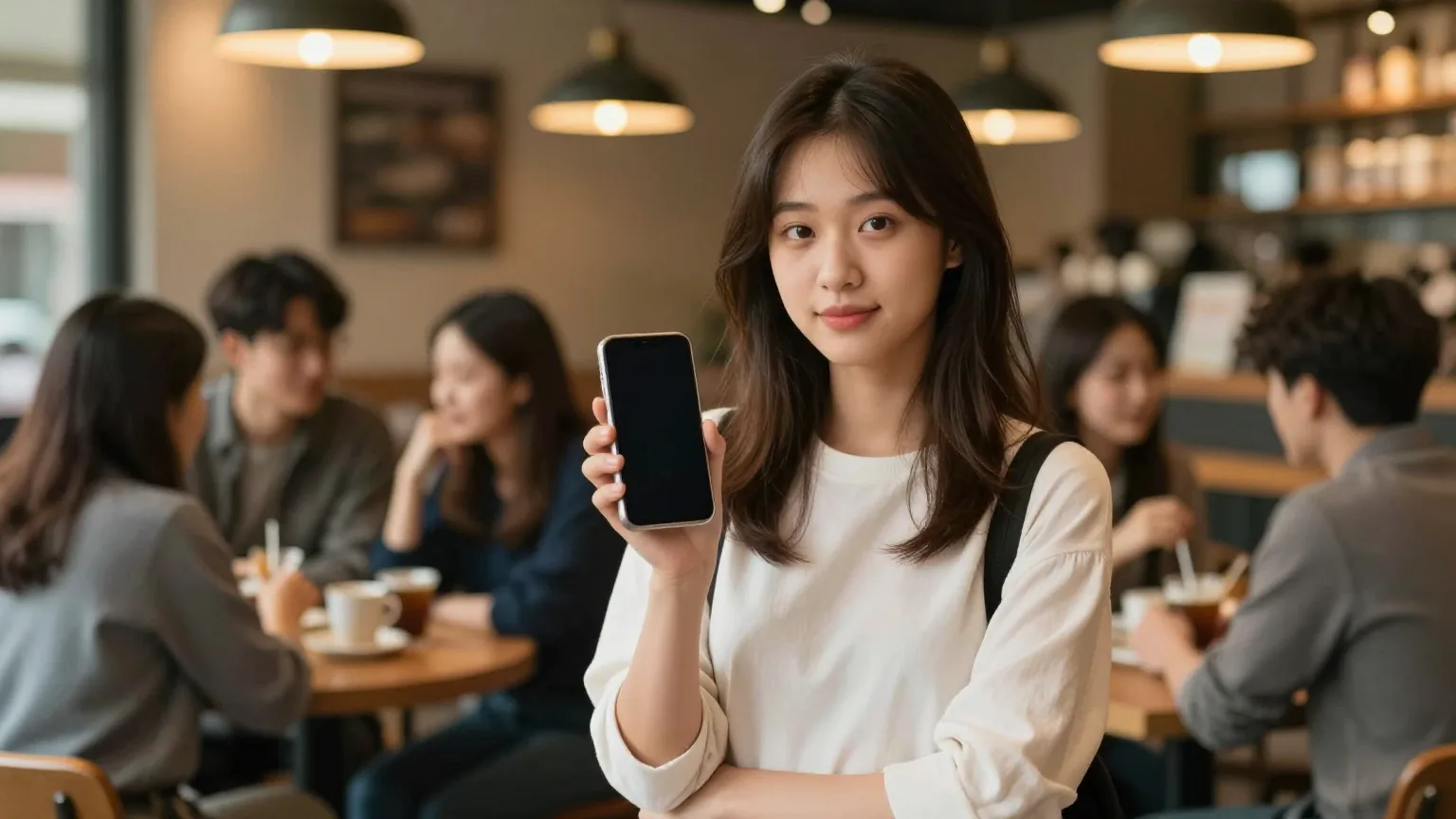
It might sound like a relic of the early 2000s, but speed dating in 2026 is not what it used to be. It is no longer just a frantic, awkward room full of strangers trying to impress each other in three minutes. It has evolved into a sophisticated, curated experience that blends the best of human connection with the precision of modern logistics. Whether you are a solo host looking to bring your local community together, a corporate HR manager seeking a better team-building tool, or simply a single person tired of ghosting, this is your complete playbook. We are going to break down how to host an event that doesn’t just fill a room, but actually creates meaningful connections.
The Evolution of the Format: From Bar Games to Curated Experiences
To understand where we are in 2026, we have to look at where we started. Speed dating is fundamentally a formalized matchmaking process designed to encourage eligible singles to meet new potential partners in a very short period of time [1]. The goal is simple: create a low-pressure environment where interested pairs can continue meeting each other after the event. However, the execution has changed drastically.
In the early days, speed dating was often a raw, unmoderated affair. You walked in, you got a number, and you talked until the bell rang. Today, the industry has matured. Major services like Pre-Dating have been running monthly events in over 90 cities for 15 years, facilitating over 5 million dates [2]. This longevity has taught organizers what works and what doesn’t. The modern 2026 event is less about "quantity" and more about "quality of interaction." It is no longer just about who you meet, but how you are matched and what happens after the final round.
Why 2026 is Different: The Hybrid and Hyper-Curated Era
One of the most significant shifts in the speed dating landscape is the integration of virtual and in-person elements. While face-to-face interaction remains the gold standard for romantic chemistry, the logistics have been streamlined by technology. Platforms like CitySwoon emphasize that speed dating is a way to meet several people at one event through a series of short, face-to-face conversations, but they also leverage digital tools to handle the pre-event matching and post-event feedback [3].
This "hybrid" approach means that the awkwardness of the first few seconds is often mitigated before you even arrive. In 2026, it is common for hosts to use apps or websites to gather basic preferences and even short video introductions. This allows the in-person portion to focus on deeper conversation rather than basic small talk. Furthermore, the definition of "speed dating" has broadened. It is no longer exclusively for romantic partners. We are seeing a rise in "corporate networking" speed dates and "wedding singles mixers" where the same rapid-fire format is applied to professional connections or social circles [4]. The core mechanic remains the same, but the application is infinitely more versatile.
Setting the Stage: The Psychology of the Venue
If you are hosting your own event, the first decision you make is the venue, and this choice does more than just provide a roof over your heads. It sets the psychological tone for the entire event. In 2026, the "bar" aesthetic is out, and the "boutique lounge" aesthetic is in. Why? Because alcohol, while a social lubricant, can also be a crutch that masks genuine connection. Many modern hosts prefer venues that encourage conversation, such as bookstores, art galleries, or even upscale coffee shops.
The layout is critical. You want to minimize the "stage" feel. If everyone is sitting at one long table, the energy can become performative. Instead, aim for a circular or semi-circular arrangement if possible, or a series of small, intimate booths. The goal is to make every participant feel like they are part of a private conversation, even though they are in a public space. Lighting should be warm and soft, avoiding the harsh fluorescent glare that makes everyone look tired. In short, the venue should feel like a living room, not a waiting room.
Timing is Everything: The 3-Minute Rule Revisited
How long should each round last? The traditional answer is three to five minutes. In 2026, many hosts are experimenting with shorter, 2-minute rounds to keep the energy high, or longer, 7-minute rounds to allow for deeper conversation. The key is consistency. If you tell attendees it is a 5-minute round, you must be strict about it. The bell or chime is the most important tool in your kit. It cuts through the noise and signals that the moment has passed. This creates a sense of urgency that is actually beneficial; it forces people to be direct and authentic because they know the clock is ticking.
However, don’t forget the breaks. After every three to four rounds, take a 10-15 minute break. This allows people to regroup, hydrate, and jot down notes on who they liked. In the digital age, it is common to provide a simple QR code that links to a digital card where they can rate their matches. This removes the need for paper and makes the data collection process seamless for the host. The break also serves as a reset button, preventing the event from feeling like a marathon.
The Art of the Icebreaker: Moving Beyond "What Do You Do?"
The biggest mistake new hosts make is assuming that people will naturally find things to talk about. They won’t. In the high-pressure environment of speed dating, silence is the enemy. You need icebreakers, but they must be specific to your audience. If you are hosting a tech professional mixer, asking "What’s your favorite app?" is generic. Instead, ask "What’s a piece of technology you can’t live without?" or "What’s the most useless gadget you’ve ever bought?"
Provide these prompts on cards or display them on a screen. Rotate them every few rounds. This takes the pressure off the participants to come up with questions and allows them to focus on listening. A good host also acts as a "roving ambassador," moving around the room to offer prompts to pairs that seem stuck. In 2026, some hosts even use AI-generated prompts based on the shared interests of the specific pair, though this is still a niche, high-end feature. For most local events, a well-curated list of open-ended questions is still the most effective tool.
Logistics and Flow: The Invisible Machine
A great speed dating event is like a magic trick: it looks effortless, but it is actually a complex logistical operation. You need a clear registration process. Usually, advance registration is required for speed dating to ensure a balanced gender ratio and to manage capacity [1]. In 2026, this should be done via a dedicated app or a streamlined website. Do not accept walk-ins unless you have a buffer. A 50/50 split is ideal, but if you have a 60/40 split, you need to adjust the rounds so that no one is left standing around.
Here is a basic checklist for the day of the event:
- Arrival: Check-in should take less than 2 minutes. Use name tags that are easy to read. Consider including a "match card" or a digital access code on the tag.
- Seating: Have a clear visual indicator for where people should sit. Number the tables, not the chairs. This makes the rotation process faster.
- The Rotation: Designate one gender (or group) to move, and the other to stay. This is less chaotic than having everyone move at once. The moving group should move in one direction only.
- The Host: You need at least one host on the floor and one managing the tech/registration. The floor host should be visible, approachable, and ready to intervene if a conversation is getting too intense or awkward.
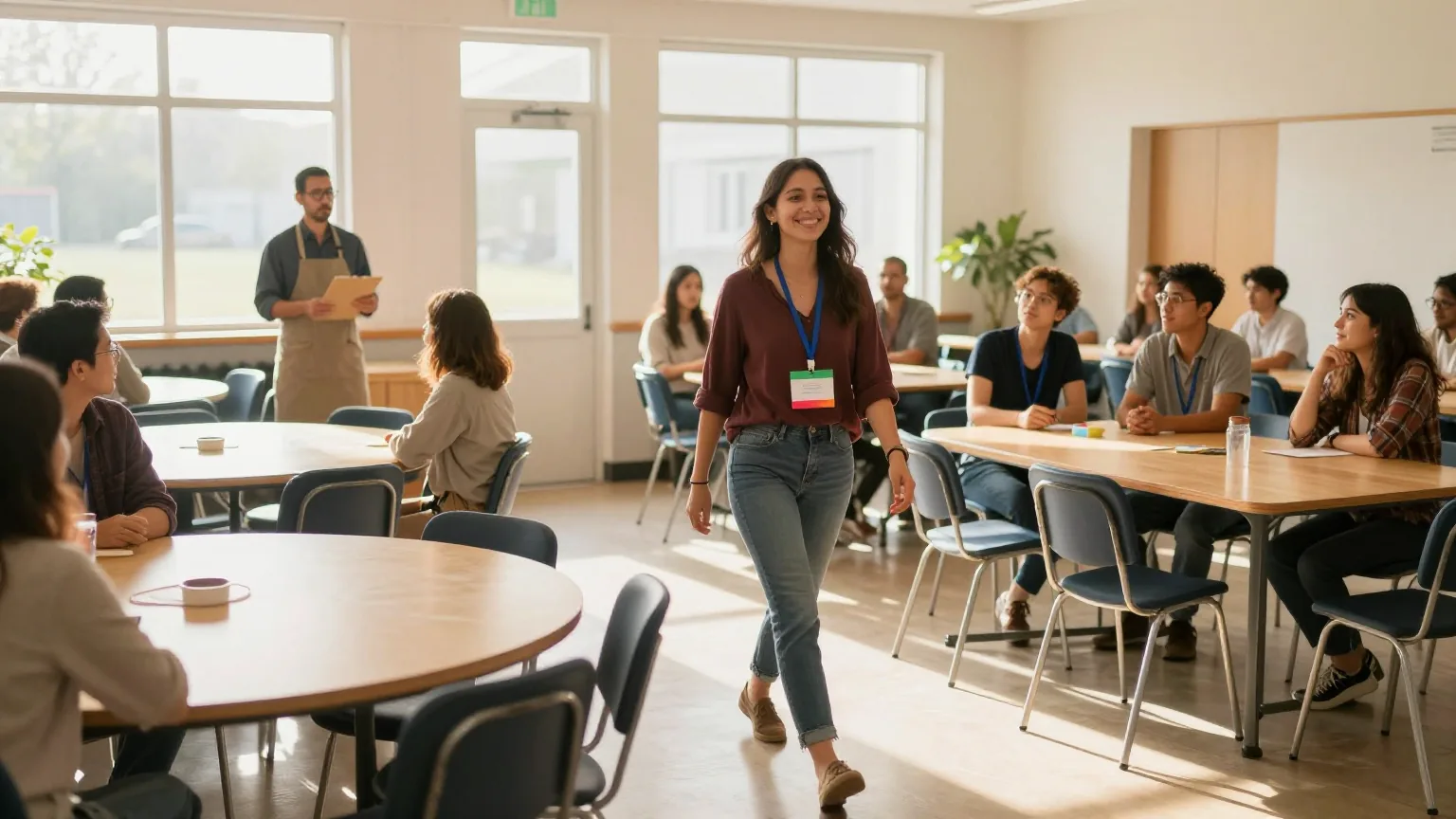
The flow must be predictable. If people know exactly what is going to happen next, they feel safer. Post a timeline on the wall or send a push notification: "Round 3 starts in 5 minutes." This reduces anxiety and keeps the energy positive.
Matching and Data Privacy: The Digital Handshake
The end of the event is where the real value lies. If you don’t have a system for matching, you have just hosted a party, not a speed dating event. In 2026, privacy is paramount. Participants are wary of their data being sold or misused. Therefore, your matching system must be transparent. Explain clearly how their preferences will be used. Most modern systems use an opt-in model: if Person A likes Person B, and Person B likes Person A, they are notified. If it is a one-way match, no information is shared.
Services like Pre-Dating and CitySwoon have refined this process over years of data collection [2] [3]. For a DIY host, you can use simple spreadsheet tools or dedicated event apps. The key is speed. People want to know if they matched within 24 hours. Delaying the results kills the momentum. Send out a notification immediately after the event closes: "We are processing your matches. Stay tuned!" Then, follow up within a day. This immediacy keeps the excitement alive and encourages them to reach out.
Corporate and Niche Applications: Beyond Romance
One of the most exciting trends in 2026 is the application of speed dating formats outside of the romantic sphere. Why do we think that rapid-fire conversation is only for finding a date? It is a powerful tool for building networks. Corporate teams are using "speed networking" to break down silos between departments. Employees who never talk to each other in their daily work are given 3 minutes to connect, fostering a sense of community and cross-departmental collaboration.
We are also seeing "wedding singles mixers" where guests from different weddings are invited to meet, or "professional speed dating" for freelancers and consultants. The principles remain the same: short time frames, structured rotation, and a low-stakes environment. This expansion of the format ensures that the skills learned in hosting speed dating events have a broader market. It also means that the venues and hosts are becoming more diverse, catering to specific industries or hobbies. A "speed dating" event for book lovers might be held in a library, with prompts related to literature, making the experience more engaging and relevant to the participants.
Handling Awkwardness: The Host’s Role
Let’s address the elephant in the room: awkwardness. It happens. Someone will say something weird. A pair will be silent. A group might be too loud. As the host, your job is not to prevent all awkwardness, but to manage it. Be visible. Smile. Make eye contact. If a pair is struggling, walk over and offer a prompt. If a pair is too intense, gently remind them that the round is ending.
Also, have a "safe word" or a signal that participants can use if they are not comfortable. This is a modern, essential safety feature. It empowers participants to opt out of a conversation without having to explain why. This creates a sense of psychological safety that is crucial for a positive experience. Remember, the goal is to create a space where people feel respected and heard, even in a fast-paced environment.
Post-Event Follow-Up: Keeping the Momentum
The event doesn’t end when the last person leaves. The follow-up is where you build your reputation and ensure that the connections made are real. Send a thank-you email within 48 hours. Include a link to a survey where they can rate their experience. Ask for feedback: What did they like? What could be improved? This data is invaluable for your next event.
Also, provide a platform for matched couples to communicate. A simple email or a private chat group can help them coordinate their first date. In 2026, some hosts even offer a "date coaching" service or a list of local date ideas for matched pairs. This adds value to the event and increases the likelihood that the matches will actually go on a date. It shows that you are invested in their success, not just in selling them a ticket.
Costing Your Event: A Realistic Budget
Hosting a speed dating event is not cheap, but it doesn’t have to be expensive. Here is a rough breakdown of costs for a 50-person event:
- Venue: $200 - $500. Look for community centers, co-working spaces, or small bars that offer off-hours rates.
- Marketing: $100 - $300. Social media ads, local flyers, and partnerships with local businesses.
- Tech: $50 - $150. For the registration and matching platform. There are many affordable options available.
- Staff: $100 - $300. For 2-3 helpers to manage check-in and the floor.
- Materials: $50. Name tags, pens, and cards.
Total: $500 - $1,300. If you charge $25 per person, you can break even with 20-50 attendees and profit from the rest. The key is to keep your overhead low and focus on the quality of the experience. A well-run event with 30 people is better than a poorly run one with 100.
Conclusion: The Power of Presence
Speed dating in 2026 is more than just a way to find a date. It is a reminder that human connection is best built in person, in real time, with all its imperfections and spontaneity. It is a format that respects your time, respects your privacy, and respects your desire for genuine interaction. Whether you are a host, a participant, or a corporate leader, the lessons from speed dating are universal: listen actively, be present, and don’t be afraid of a short, meaningful conversation.
So, what are you waiting for? The tools are in your hands. The format is proven. The demand is high. Grab your chime, find your venue, and start building connections. The next great story, whether it’s a new friendship, a new business partner, or a new love, is just three minutes away. Let’s get out there and make it happen.
Ready to host your first event? Start by booking a venue and setting up your registration page. The first step is the hardest, but it’s also the most exciting. Good luck, and happy matching!