Speed Dating in 2026: How Virtual Events Are Reshaping Romance
The Digital Paradox: Why We’re Craving Real Eyes in a Virtual World
It is 2026. You have spent the last hour swiping on three different apps, feeling the distinct, hollow sensation of digital fatigue. You know the algorithm, you know the photos, and you know that "hey" is rarely followed by a meaningful conversation. You are tired. You are ready to meet someone, but the idea of walking into a crowded bar or a formal gala feels like too much effort. Or does it?

Enter the modern evolution of speed dating. Once a novelty, and later a staple of the singles scene, speed dating has undergone a radical transformation. It is no longer just about sitting across a table from a stranger for five minutes. It is about curated chemistry, technological facilitation, and a cultural pivot back toward human connection in an increasingly automated world. As we navigate the landscape of romance in 2026, the intersection of virtual events and traditional matchmaking is reshaping how we find love. It is a fascinating, sometimes humorous, and often deeply human journey.
A Brief History of the Rapid Romance
To understand where we are, we must look at where we started. Speed dating is a formalized matchmaking process designed to encourage eligible singles to meet new potential partners in a very short period of time, so that interested pairs can continue meeting each other after the event [2]. The concept was born in the late 1990s, largely credited to Rabbi Yaakov Dwek in Los Angeles, who sought to create a safe, structured environment for singles to meet without the awkwardness of a cold approach.
For over a decade, this model dominated the scene. It was simple: rotate, talk, decide. But as the 21st century progressed, the rise of online dating apps created a paradox. We had more access to potential partners than ever before, yet the quality of those connections often felt diluted. You could chat with someone online for weeks, only to find out you have zero chemistry when you finally meet them in person [3]. The digital barrier, while convenient, often masked the very thing we were looking for: spark.
The 2026 Shift: Bridging the Gap Between Pixels and People
By 2026, the narrative has shifted. The "virtual" aspect of speed dating is no longer just a pandemic-era stopgap; it is a sophisticated layer of the experience. Modern platforms are not just video calls; they are interactive ecosystems. The goal, as articulated by organizers like Happy Hour Speed Dating, is to "make meeting people in real life cool again" [5]. This is not a rejection of technology, but a celebration of its ability to lower the barrier to entry for real-world interaction.
The distinction is subtle but crucial. Virtual speed dating events in 2026 are often used as a pre-qualification tool or a warm-up act. They allow participants to break the ice in a low-stakes environment before committing to a physical meetup. This hybrid approach addresses the primary pain point of traditional speed dating: the anxiety of the first five minutes. If you have already exchanged a few laughs via video link, the in-person meeting feels less like a stranger interaction and more like a reunion of an acquaintance.
Why Chemistry Cannot Be Algorithmized
There is a persistent belief in the tech world that if we just add more data points—zodiac signs, political views, dietary restrictions—we can predict compatibility. However, the human element remains stubbornly resistant to code. One of the primary reasons speed dating remains relevant in 2026 is its ability to test for instant attraction [3]. You can have the perfect profile match, but if you look into their eyes and feel nothing, the algorithm has failed.
Speed dating gives you a chance to meet the person face-to-face and determine whether there is instant attraction or chemistry between the two of you [3]. This is the "X-factor" that no app can quantify. It is the micro-expression when they smile, the tone of their voice when they laugh, the way they hold their coffee. These are the details that make a connection feel real. In a world of curated digital personas, the unedited, fleeting moment of a speed date is a refreshingly honest experience.
The Anatomy of a Modern Speed Dating Event
So, what does a speed dating event look like in 2026? It is more structured and tech-integrated than the chaotic parties of the early 2000s. According to the latest guides on hosting these events, the format is a carefully calibrated dance of logistics and psychology [1]. Here is what you can expect:
- Advance Registration is Mandatory: Unlike a walk-in bar, speed dating requires advance registration to ensure a balanced gender ratio and a consistent age group [2]. This pre-screening ensures that everyone at the event is serious about meeting new people.
- Curated Venues: The venue is no longer just any restaurant. It is chosen for its acoustic properties, lighting, and seating arrangements to facilitate conversation. Some events are held in virtual spaces, while others are in high-end lounges or unique cultural centers.
- Timed Rotations: The core mechanic remains the same. A bell rings, and you rotate to the next seat. In 2026, this is often managed by an app that tracks your matches and preferences in real-time.
- The "Pass" and the "Yes": After the event, participants log their interest in specific partners. If two people indicate interest in each other, the platform sends their contact information. This removes the awkwardness of exchanging numbers on the spot.
The Rise of Corporate and Niche Networking
One of the most interesting developments in 2026 is the expansion of speed dating beyond romantic partners. The format has been adopted for corporate networking, professional development, and even wedding singles mixers [1]. This is because the core skill required for speed dating—making a strong, concise impression in a short time—is a universal social skill.
For professionals, "speed networking" events allow individuals to connect with potential clients or collaborators in a structured environment. The principles are identical: listen actively, ask insightful questions, and leave a positive impression. This cross-pollination has elevated the perceived value of speed dating. It is no longer just for the lonely; it is a tool for the ambitious. For example, a tech startup might host a "speed pitch" event where founders have five minutes to convince investors of their worth, mirroring the romantic speed date but with a business goal.
This broader application has also helped destigmatize speed dating. It is no longer seen as a "last resort" for those who are struggling to find love. Instead, it is recognized as an efficient, high-yield method for building social capital. Whether you are looking for a partner or a partner in business, the structure provides clarity and direction.
Virtual Speed Dating: More Than Just a Video Call
When we talk about virtual speed dating in 2026, we are not talking about a Zoom call where two people stare at each other in silence. The technology has evolved to include interactive elements that enhance the experience. Virtual events often incorporate shared activities, such as playing a digital game, answering prompt-based questions, or collaborating on a simple task.
These activities serve as icebreakers, reducing the awkwardness of the initial interaction. For instance, a virtual speed dating platform might prompt both participants to answer the question, "What is your most controversial opinion?" and then allow them to discuss their answers. This shared context creates a natural flow to the conversation. It also allows for a more relaxed pace, as participants can take a moment to think before speaking, unlike the high-pressure environment of an in-person date.
Furthermore, virtual events have made speed dating accessible to those in remote areas or those with mobility issues. The world’s largest speed dating services, such as Pre-Dating, have expanded their reach to over 90 cities, but virtual formats allow them to connect people across continents [4]. A single person in Tokyo can now speed date with a single person in Toronto, expanding the pool of potential matches exponentially. This global connectivity is a powerful force in modern romance, breaking down geographical barriers that once limited dating options.
The Psychology of the Five-Minute Window
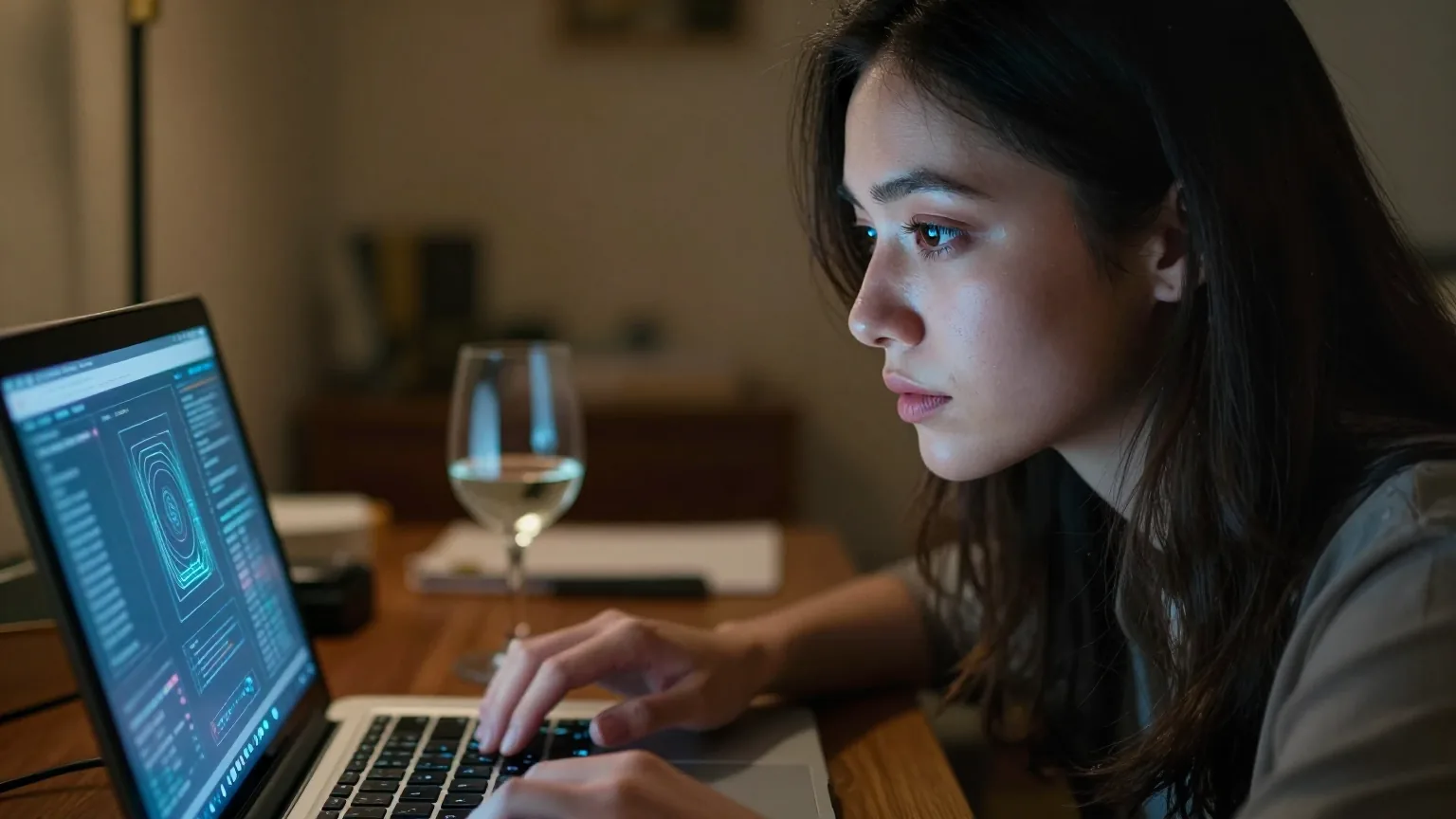
Why five minutes? Why not ten? Why not two? The timing of a speed date is a psychological construct designed to maximize efficiency. Five minutes is long enough to establish a baseline of comfort and short enough to prevent the conversation from becoming stale. It forces participants to be concise and engaging, highlighting their best qualities without the baggage of a long, drawn-out first date.
Psychologists suggest that this time constraint creates a "scarcity effect." Because the opportunity to meet this person is limited, participants are more likely to be attentive and open. They are less likely to be distracted by their phones or the surroundings, as they know that in five minutes, they will be moving on to the next person. This urgency can actually enhance the quality of the interaction, leading to more authentic and vibrant conversations.
Moreover, the rapid succession of interactions allows for a broader sampling of potential partners. In traditional dating, you might go on three or four dates before finding someone compatible. In speed dating, you can meet 10 to 20 people in a single evening. This statistical advantage increases the likelihood of finding a match, even if the success rate per individual interaction is low. It is a numbers game, but one that is played with human intuition rather than cold data.
Safety and Security in the Digital Age
With the rise of virtual and hybrid events, safety has become a paramount concern. Organizers have implemented robust verification processes to ensure that all participants are who they claim to be. This includes photo verification, ID checks, and even background checks for certain high-end events. These measures help to create a safe environment where participants can relax and focus on meeting new people.
Additionally, virtual platforms have built-in safety features, such as the ability to block or report users instantly. If a participant feels uncomfortable, they can end the interaction with a single click. This level of control empowers individuals to take their safety into their own hands, reducing the anxiety that often accompanies meeting new people. For many, this sense of security is a key factor in their willingness to participate in speed dating events.
The Role of AI in Matchmaking
While speed dating relies on human intuition, AI is playing an increasingly important role in the background. Modern platforms use machine learning algorithms to analyze past interactions and preferences to suggest potential matches. For example, if two participants consistently rate each other highly in virtual speed dates, the platform may prioritize their in-person meeting.
AI can also help to match participants based on shared interests, values, and lifestyles. This pre-matching process increases the likelihood of a successful connection, as participants are more likely to have common ground. However, it is important to note that AI is a tool, not a replacement for human judgment. The final decision always rests with the individuals involved. The algorithm may suggest a match, but it is the human heart that decides whether to pursue it.
Cultural Shifts and the Stigma of Speed Dating
Historically, speed dating carried a stigma. It was often viewed as a desperate or unrefined way to find a partner. However, this perception has shifted significantly in 2026. Speed dating is now seen as a proactive and efficient approach to dating. It is a sign of someone who is ready to take their social life into their own hands, rather than waiting for fate to intervene.
This cultural shift has been driven by the success stories of those who found love through speed dating. These stories are shared widely on social media, helping to normalize the practice. Additionally, the involvement of high-profile organizations and celebrities has lent credibility to the format. Speed dating is no longer a niche activity; it is a mainstream option for anyone looking to expand their social circle.
The humor in speed dating also plays a role in its popularity. The absurdity of having five minutes to fall in love with a stranger is inherently funny. This lighthearted tone makes the experience less daunting and more enjoyable. Participants often go in with a sense of adventure, knowing that they are about to embark on a series of mini-adventures with new people. This playful approach to romance is a refreshing change from the high-pressure environment of traditional dating.
Practical Tips for Success in 2026
If you are considering attending a speed dating event in 2026, here are some tips to help you make the most of your experience:
- Be Present: Put away your phone. Focus on the person in front of you. Eye contact and active listening are key to making a good impression.
- Ask Open-Ended Questions: Instead of asking "yes/no" questions, ask questions that invite storytelling. "What is the most adventurous thing you’ve done this year?" is better than "Do you like to travel?"
- Be Honest: Do not try to be someone you are not. Authenticity is attractive. If you are shy, own it. If you are outgoing, let it shine. People appreciate genuine connections.
- Have a Backup Plan: If you do not find a match, do not be discouraged. Speed dating is a numbers game. Keep attending events and expanding your social circle. You never know who you might meet next.
- Use the Tech: If the event uses an app, make sure you log your matches accurately. This helps the platform to send you the contact information of people who are interested in you.
The Future of Romance: A Hybrid Horizon
As we look to the future, it is clear that the line between virtual and physical romance will continue to blur. We will see more innovative formats, such as augmented reality speed dates where participants can interact with virtual avatars, or AI-mediated conversations that help to break the ice. However, the core of speed dating will remain the same: the human desire to connect, to be seen, and to be understood.
The reshaping of romance by virtual events is not about replacing face-to-face interaction; it is about enhancing it. It is about creating a world where finding love is less about luck and more about intention. It is about giving people the tools they need to navigate the complexities of modern dating with confidence and grace.
Conclusion: Take the Leap
In the end, speed dating in 2026 is a testament to the resilience of human connection. In a world that is increasingly digital, we are craving the authenticity of real-life interactions. Speed dating offers a bridge between these two worlds, allowing us to leverage the convenience of technology while celebrating the beauty of human chemistry.
So, if you have been on the fence about trying speed dating, now is the time. Whether you choose a virtual event to break the ice or a traditional in-person mixer to find your spark, the opportunity is there. The world is full of potential partners, and the right person might be just five minutes away. Take the leap. You might be surprised by what you find.
Ready to meet someone new? Check out the latest speed dating events in your city and start your journey toward connection today.