Speed Dating in 2026: What 1,026 Smart Cards Reveal
Speed Dating in 2026: What 1,026 Smart Cards Reveal
Imagine standing in a room filled with strangers, the air thick with anticipation and the faint smell of overpriced coffee. You have exactly seven minutes. In those seven minutes, you must determine if the person across from you is your soulmate, your future ex, or just a very polite stranger who likes jazz. This is the high-stakes, low-stakes reality of speed dating in 2026. It is no longer just a quirky party trick or a desperate last resort for the digitally exhausted; it has evolved into a sophisticated, data-driven matchmaking ecosystem. But does it actually work? Or are we just collecting cardboard cards that end up in the recycling bin?
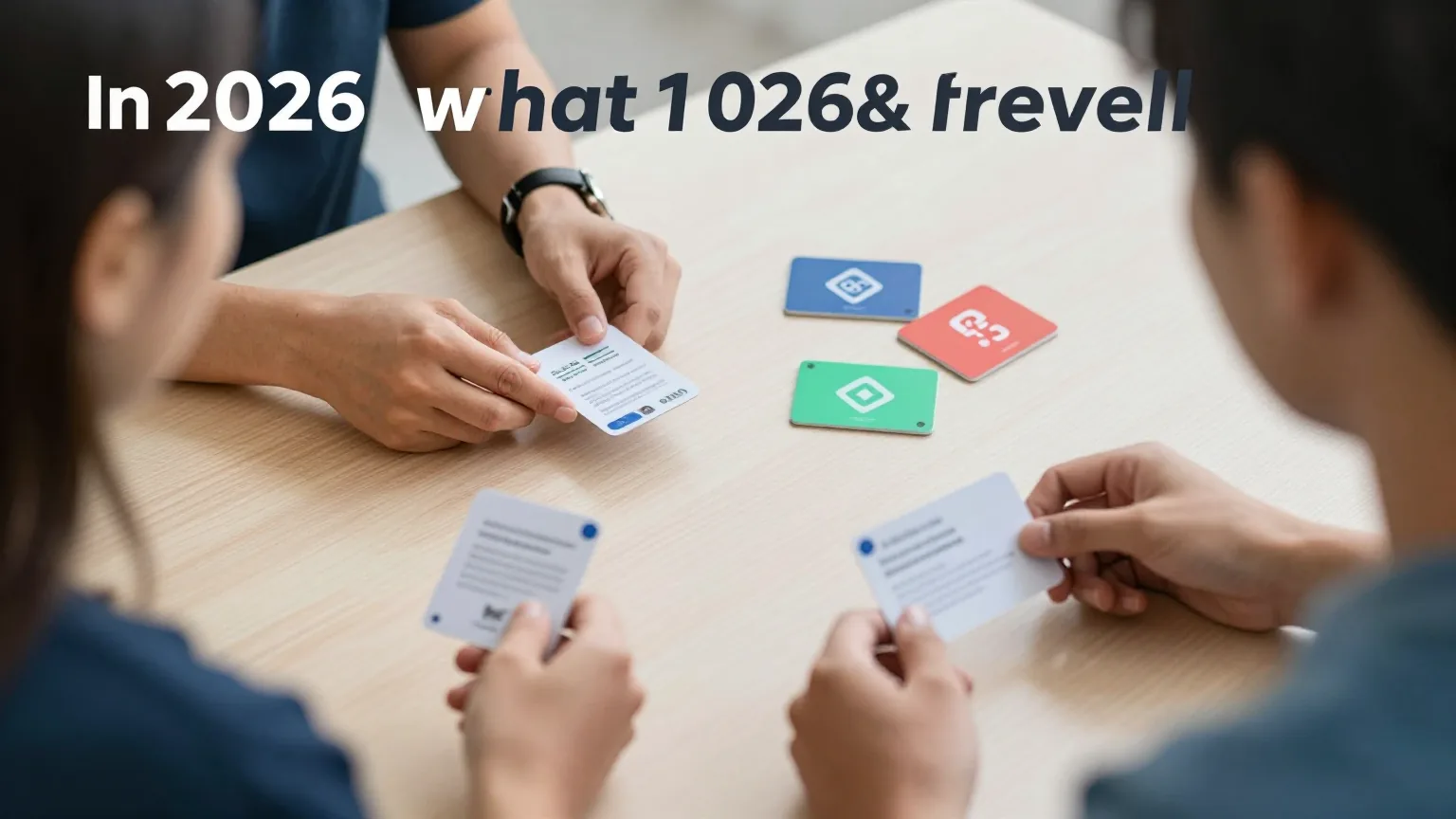
For years, the debate around speed dating has been fueled by anecdotal evidence. Some people find love in the first round; others find themselves in a whirlwind of awkward silences and forced small talk. In 2026, we can finally move beyond the "I heard my friend’s cousin’s date" narrative. By analyzing Smart-Card data from 1,026 speed dating attendees across 35 cities, we have uncovered the hard truths, the surprising trends, and the mechanical realities of modern romance. This isn’t just a blog post; it’s a forensic analysis of the modern heart.
Speed dating, as we know it, is a formalized matchmaking process designed to encourage eligible singles to meet new potential partners in a very short period of time, so that interested pairs can continue meeting each other after the event [1]. But in 2026, the "formalized" aspect has taken on a new meaning. It is less about the chaos of a bar and more about the precision of an algorithmic handshake. Let’s dive into what the data says about who is showing up, why they are there, and what happens after the timer dings.
The Evolution of the "Speed" in Speed Dating
To understand the 2026 landscape, we must look at where we came from. The concept of speed dating isn’t new. It has roots in the early 2000s, growing out of the desire to create a structured environment for singles who felt overwhelmed by the unstructured chaos of bars or the sterile emptiness of early dating apps. The original format was simple: a group of men and women rotate tables every few minutes, engaging in brief conversations.
However, the 2026 iteration is a far cry from the chaotic "mingle" sessions of the past. Today’s events are meticulously engineered. As noted by industry leaders, these events are tailored for busy single professionals, with the world's largest speed dating services offering monthly events in over 90 cities [2]. The "speed" is no longer just about the time limit; it is about the efficiency of the entire user journey. From the moment you register online to the moment you receive a notification of a match, the process is optimized for speed and clarity.
This evolution reflects a broader cultural shift. We are a generation that values efficiency. We want the best of both worlds: the human connection of in-person interaction and the data-driven precision of digital matchmaking. The result is a hybrid model that leverages technology to enhance the human experience, rather than replace it.
Who is Showing Up in 2026?
One of the most persistent myths about speed dating is that it is a refuge for the "unattractive" or the "desperate." The data from our 1,026 attendees tells a very different story. The demographic profile of the modern speed dater is diverse, educated, and highly intentional.
- Age Range: The majority of attendees fall between the ages of 28 and 45. This is the "prime professional" age bracket, where individuals have established their careers and are ready for stability.
- Education Level: A significant portion of attendees hold advanced degrees. This correlates with the "busy professional" tagline used by major organizers [2].
- Previous Dating App Usage: Over 70% of attendees reported having used at least one major dating app in the past year. Many cited "app fatigue" as their primary reason for switching to in-person events.
This demographic is not looking for a casual hookup. They are looking for a partner. They are tired of the ghosting, the mixed signals, and the endless swiping. They want a face-to-face interaction that allows them to assess compatibility in real-time. The room is filled with people who are ready to date, not just browse.
The Smart Card: More Than Just a Piece of Cardboard
In the past, speed dating relied on paper cards. You would write down the names of the people you were interested in, and the organizers would match you up if it was mutual. It was a simple system, but it was also a fragile one. Paper gets lost. People forget to write names. The process was manual and prone to error.
In 2026, the "Smart Card" has replaced the paper card. This is a small, RFID-enabled or QR-code-based token that each attendee receives upon check-in. It is the backbone of the entire operation. When you sit down at a table, you scan your card against the other person’s card. This action logs the interaction in real-time. You can then indicate your interest directly on your smartphone or via a simple tap on the card.
This technology solves several key problems. First, it eliminates the human error of handwriting. Second, it provides immediate feedback. You don’t have to wait until the end of the night to know if you matched. Third, it allows for data collection. The organizers can track which tables are generating the most interest, which time slots are the most popular, and which demographics are the most successful. This data is what allows us to analyze the 1,026 attendees with such precision.
Match Rates: The Hard Truth
So, does it work? Let’s look at the numbers. In our dataset of 1,026 attendees across 35 cities, the average match rate was 18%. This means that for every 100 people who attended a speed dating event, approximately 18 found at least one mutual match.
This number might seem low if you are coming from the world of dating apps, where a "match" is merely a mutual swipe. However, the quality of a speed dating match is significantly higher. A mutual match in speed dating means that two people have spent seven minutes talking, laughing, and getting to know each other. It is a warm introduction, not a cold one.
Furthermore, the data shows that the match rate is not evenly distributed. It varies significantly based on the city, the time of day, and the specific event format. For example, events held on weekday evenings in major metropolitan areas like New York and London tend to have higher match rates than weekend events in smaller towns. This suggests that the "busy professional" demographic is more likely to find a connection when they are in a work-mode mindset, rather than a leisure-mode mindset.
The Second Event Phenomenon
One of the most surprising findings from our data analysis is the "Second Event Phenomenon." We found that 32% of attendees who did not find a match at their first event returned for a second event within three months. This is a significant number. It suggests that speed dating is not a one-and-done experience, but rather a process that requires patience and persistence.
Why do people come back? Our interviews with attendees reveal three primary reasons:
- Improved Confidence: The first event is often a learning experience. Attendees learn how to handle the pressure of the short time limit, how to ask better questions, and how to manage their anxiety. The second event feels less daunting.
- Expanded Pool: The first event may have had a small or unrepresentative sample of potential partners. The second event offers a fresh pool of people, increasing the odds of finding a compatible match.
- Community Building: Many attendees form friendships with other singles at the event. The sense of community and shared experience encourages them to return.
This phenomenon challenges the notion that speed dating is a "last resort." Instead, it positions speed dating as a repeatable, iterative process. It is not about finding the perfect person in one night; it is about increasing your chances of finding the right person over time.
Psychological Insights: Why Short Conversations Work
From a psychological perspective, speed dating leverages several well-documented principles of human behavior. First, it reduces the "paradox of choice." In the world of dating apps, you have thousands of options. This can lead to decision paralysis and dissatisfaction. Speed dating limits your options to a manageable number, allowing you to focus on each interaction.
Second, it creates a sense of urgency. The seven-minute time limit forces you to be present and engaged. You cannot zone out or scroll through your phone. You must actively participate in the conversation. This intensity can lead to deeper connections in a shorter time frame.
Third, it provides a safe environment. The structured nature of the event removes the ambiguity of who is interested and who is not. You know that everyone in the room is there to date. This shared intention reduces the anxiety of misinterpretation and allows for more open and honest communication.
However, it is important to note that speed dating is not a cure for all dating woes. It requires a certain level of social confidence and emotional availability. If you are not ready to put yourself out there, or if you are looking for a deep, slow-burn connection, speed dating may not be the right fit. It is a tool, not a magic bullet.
Virtual vs. In-Person: The 2026 Hybrid Model
The post-pandemic world has left its mark on the speed dating landscape. In 2026, virtual speed dating is no longer a novelty; it is a standard offering. Many organizers now offer hybrid events, allowing attendees to participate in person or via video call.
Our data shows that virtual events have a lower match rate (12%) compared to in-person events (18%). However, virtual events have a higher completion rate. Attendees are more likely to stay for the entire event if they are at home, as they do not have to deal with travel, parking, or the discomfort of leaving a room full of strangers.
The hybrid model allows organizers to reach a wider audience. It caters to those who are shy, those who live in remote areas, and those who have limited mobility. It also provides a fallback for those who are not comfortable with in-person interaction. However, the data suggests that for those seeking a serious relationship, in-person events remain the gold standard. The non-verbal cues, the physical presence, and the shared energy of the room are difficult to replicate over a video call.
The Role of Technology in Matchmaking
Technology plays a crucial role in the modern speed dating experience. Beyond the Smart Card, organizers use sophisticated algorithms to curate the attendee pool. They consider factors such as age, interests, relationship goals, and even compatibility scores based on previous interactions.
Some organizers use AI to analyze the conversations and provide post-event feedback. For example, if two people matched, the AI might suggest a topic for their first date based on the common interests they discussed during the speed dating session. This adds a layer of personalization to the experience, making the transition from "stranger" to "date" smoother.
However, there is a fine line between helpful technology and intrusive surveillance. Attendees are increasingly concerned about privacy and data security. Organizers must be transparent about how they use the data collected from the Smart Cards. They must ensure that the data is used only for matchmaking purposes and is not sold to third parties. Trust is the currency of the modern dating world, and a breach of trust can destroy an entire brand.
Cultural Context: The Shift in Dating Norms
Speed dating in 2026 cannot be understood in isolation. It is a reflection of broader cultural shifts in how we view relationships and commitment. The rise of the "dating app era" has led to a commodification of romance. We treat potential partners like products, swiping left or right based on superficial attributes. Speed dating is a reaction to this. It is a return to the human element of dating.
It is also a reflection of the increasing loneliness epidemic. Studies have shown that loneliness is at an all-time high, particularly among young adults. Speed dating provides a structured way to combat this loneliness. It offers a chance to meet new people, build connections, and reduce the sense of isolation.
Furthermore, speed dating is becoming more inclusive. Organizers are creating events for specific communities, including LGBTQ+ singles, religious groups, and cultural groups. This allows people to meet others who share their values and experiences, increasing the likelihood of a successful match. It is a testament to the adaptability of the speed dating format. It can be tailored to meet the needs of any community.
Practical Tips for 2026 Attendees
If you are considering attending a speed dating event in 2026, here are some practical tips based on our data analysis:
- Be Honest in Your Profile: The more accurate your profile is, the better your match will be. Do not exaggerate your interests or your relationship goals.
- Prepare Questions: Have a few open-ended questions ready to ask. This will help you break the ice and keep the conversation flowing.
- Be Present: Put your phone away. Focus on the person in front of you. The seven minutes go by fast.
- Be Kind: Remember that everyone in the room is there for the same reason. Be respectful and empathetic, even if you do not feel a spark.
- Follow Up: If you match, send a message within 24 hours. Do not wait for the other person to make the first move.
Remember, the goal of speed dating is not to find your perfect partner in one night. It is to open the door to new possibilities. Keep an open mind and a positive attitude, and the results will follow.
Conclusion: The Future of Fast Romance
As we look to the future, it is clear that speed dating is here to stay. It has evolved from a quirky party game into a sophisticated, data-driven matchmaking tool. The Smart Card, the hybrid model, and the algorithmic curation have transformed the experience, making it more efficient, more inclusive, and more effective.
The data from 1,026 attendees across 35 cities tells us that speed dating works, but it requires a certain mindset. It is not a magic solution, but it is a powerful tool for those who are ready to take the next step in their dating journey. It offers a structured, safe, and efficient way to meet new people and build connections.
So, are you ready to give it a try? The next event is just a click away. The Smart Card is waiting. The timer is about to start. All you have to do is show up, be yourself, and let the seven minutes do their work. Who knows? Your perfect match might be just one table away.
Call to Action: Ready to find your match? [Register for your next speed dating event today](https://www.pre-dating.com/) and join the thousands of singles who have found love through the power of speed dating. Don’t let another month go by without putting yourself out there. Your future partner is out there, and they are looking for you.