Make Meeting People Cool Again: Speed Dating Trends for 2026
Reclaiming the Spark: Why Speed Dating Is Having a Major Moment in 2026
Imagine a world where you stop swiping left on a face that looks nice but feels hollow, and instead, you are standing face-to-face with a stranger who makes your heart race in just three minutes. It sounds like a scene from a romantic comedy, but for thousands of singles across the globe, it is the reality of 2026. After years of digital fatigue, ghosting, and the paralyzing choice overload of dating apps, we are witnessing a significant cultural shift. The old adage "you have to meet in person to know" is no longer just advice; it is the dominant trend in modern romance.
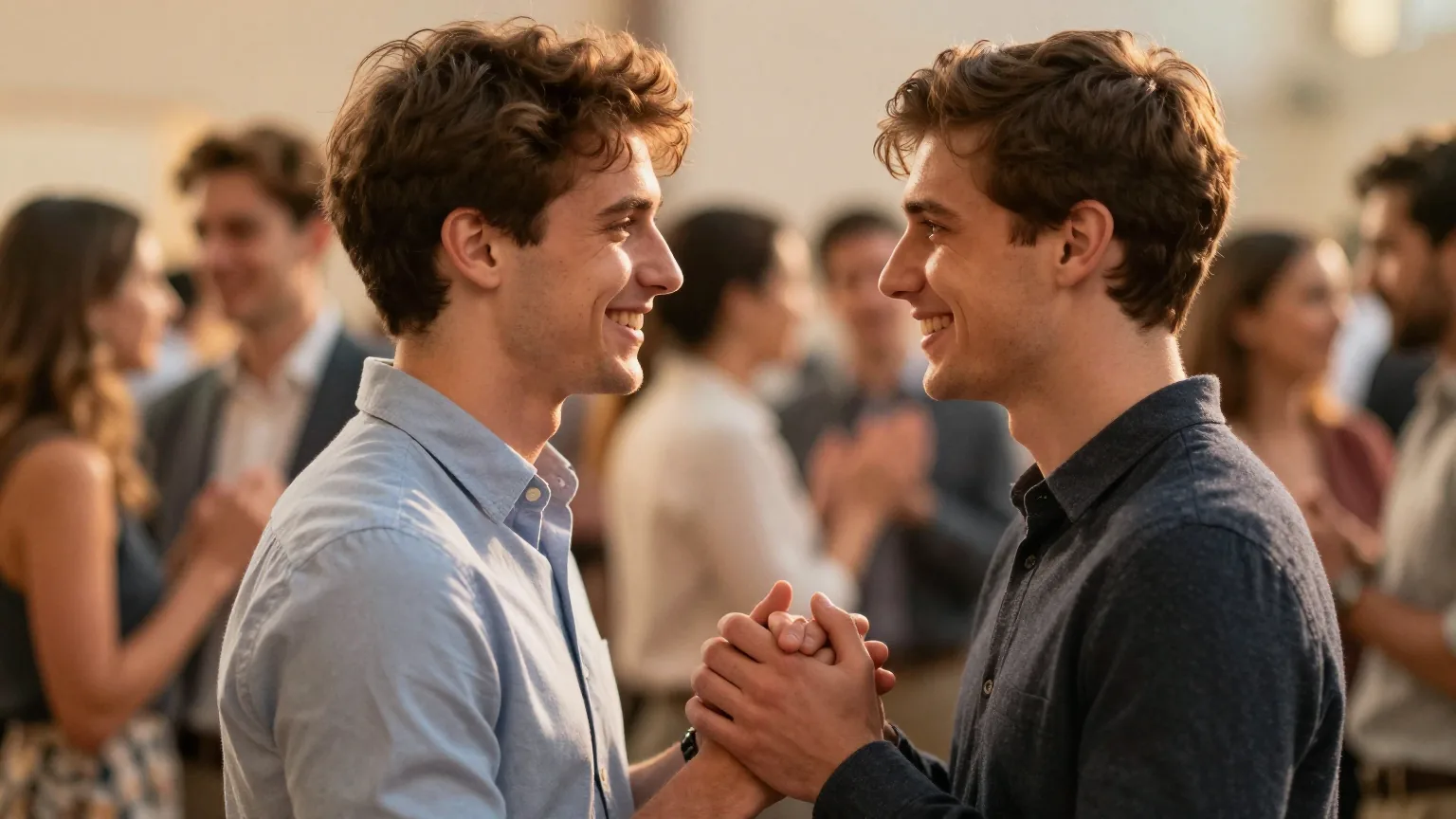
The concept of speed dating, once a novelty for the socially bold, has evolved into a sophisticated, high-volume matchmaking engine that is redefining how we connect. It is no longer just about rushing through conversations; it is about reclaiming the authenticity of human interaction. As we navigate the second half of the decade, the landscape of dating is becoming more tactile, more immediate, and surprisingly, more fun. Let’s dive into the trends shaping speed dating in 2026, exploring why this formalized matchmaking process is experiencing a renaissance and how you can use it to find genuine connection in a digital-first world.
The Digital Fatigue: Why We’re Craving Real Life
To understand the surge in speed dating, we first have to look at what we are running from. The last decade was dominated by the "app era," where algorithms dictated our potential happiness. While these platforms connected many couples, they also introduced a unique set of psychological burdens. The constant stream of profiles led to what psychologists call "the paradox of choice." When you have infinite options, you often choose none, or you settle for the least bad option, never finding the one that truly resonates.
Furthermore, the disembodied nature of text-based dating creates a barrier to true intimacy. You can chat with someone for weeks, crafting the perfect persona, only to find out you have zero chemistry when you finally meet in person [4]. That awkward silence at the coffee shop, the realization that the voice doesn’t match the text, or the lack of instant attraction, can be devastating. Speed dating solves this by compressing the timeline. It gives you a chance to meet the person face-to-face and determine whether there is instant attraction or chemistry between the two of you without the weeks of emotional investment that online dating often demands [4].
In 2026, the desire to "make meeting people in real life cool again" is a driving force behind many event organizers' missions [2]. It is a collective exhale, a recognition that human connection is messy, immediate, and far more rewarding than a curated Instagram grid. The trend is not just about dating; it is about relearning how to be comfortable with strangers, to be vulnerable, and to engage in the spontaneous dance of human interaction.
A Brief History: From 1998 to the Modern Age
While it feels like a modern invention, speed dating has a surprisingly robust history. The concept was formalized in the late 1990s, with many crediting Rabbi Yehoshua Baruch, a Los Angeles rabbi, for organizing one of the first events in 1998 [3]. The idea was simple: create a structured environment where eligible singles could meet multiple potential partners in a very short period of time, so that interested pairs could continue meeting each other after the event [3].
Originally, these events were often held in community centers or synagogues, targeting specific demographics. Over the next two decades, the format expanded. It moved from niche community groups to mainstream entertainment. Today, speed dating is a global phenomenon. The formalized matchmaking process has matured, incorporating elements of game show energy, professional event planning, and data-driven matching algorithms that help organize the logistics of hundreds of participants [3].
What has changed is not the core mechanic, but the sophistication of the experience. Where early speed dating might have been a simple round-robin in a community hall, 2026 events are often curated experiences with themes, dietary accommodations, and specific vibe checks. The history of speed dating is a testament to human adaptability. We have taken a somewhat awkward concept and polished it into a sleek, efficient, and surprisingly enjoyable social ritual.
The Scale of the Movement: By the Numbers
It is hard to grasp the magnitude of the speed dating industry without looking at the data. The largest speed dating services in the world have been operating for over 15 years, hosting monthly events in more than 90 cities [1]. These are not small, local meetups; they are large-scale operations that have facilitated over 5 million dates [1].
Consider what that number means. Five million dates. That is millions of first impressions, millions of shared laughs, and millions of opportunities for connection that would never have occurred if those individuals had stayed behind their screens. The scale of this industry indicates that speed dating has moved beyond the realm of "desperate single" stereotypes. It is a mainstream activity, comparable in popularity to going to a concert or a popular restaurant. The infrastructure is there, the demand is steady, and the success rate, while subjective, is high enough to keep the lights on and the venues booked.
In 2026, the trend is toward even greater accessibility. Services that once required membership fees or had strict age brackets are broadening their appeal. The goal is to make the barrier to entry low, both financially and psychologically. The data suggests that when people lower the stakes and make the environment safe and fun, they participate. The numbers don’t lie: when you provide a structured, safe, and social environment, people show up. And when they show up, magic often happens.
Themed Events: Beyond the Standard Round-Robin
One of the most exciting trends in 2026 is the move away from generic "speed dating" to highly themed events. The days of simply sitting at a table and saying "hi" are giving way to experiential dating. Organizers are recognizing that shared activities break the ice faster than small talk. You don’t need to know what to say if you are both trying to build a birdhouse, tasting wine, or solving a mystery.
Think about the types of events you might see in your city this year. There are wine-and-cheese pairings, where the conversation flows as easily as the wine. There are active events, like speed hiking or speed salsa dancing, where the physical movement helps release nervous energy. There are even intellectual events, such as speed book club discussions or speed trivia, where the conversation is driven by the content rather than the participants’ ability to think of witty one-liners.
These themed events serve a dual purpose. First, they reduce anxiety. When the focus is on the activity, the pressure to be charming diminishes. Second, they provide immediate compatibility signals. You can tell a lot about someone by how they navigate a challenge, how they treat the waitstaff, or what their favorite novel is. This aligns with the core benefit of speed dating: quickly determining chemistry [4]. But by adding a theme, you are determining compatibility in a more nuanced way. It’s not just "do I like your face?" but "do I like how you engage with the world?"
The Role of Technology: Augmenting, Not Replacing
It would be a mistake to assume that the rise of in-person speed dating means a rejection of technology. On the contrary, technology is playing a crucial supporting role in the 2026 speed dating experience. The chaos of matching hundreds of people efficiently requires digital tools. Registration is almost exclusively online, allowing organizers to balance gender ratios, age ranges, and preference filters before the event even begins [3].
After the event, the follow-up process is often digitized. Many services use apps or web platforms where participants can indicate who they would like to see again. If there is a mutual match, the system facilitates the introduction, providing a safe and low-pressure way to start a conversation. This eliminates the awkwardness of trying to find someone’s phone number in a crowded room. It also creates a paper trail, ensuring that if you have a negative experience, you can report it, adding a layer of safety and accountability.
However, the technology is designed to fade into the background. The goal is not to create a digital relationship, but to bridge the gap to a real one. The app is the handshake; the date is the conversation. In 2026, the best speed dating services are those that use technology to streamline the logistics while keeping the focus firmly on the human interaction. They understand that the screen is a tool, not a partner. The moment the event starts, the phones go away, and the real work begins.
Safety and Comfort: The New Non-Negotiables
As social dynamics have evolved, so have the expectations for safety and comfort in dating spaces. In 2026, safety is not an afterthought; it is a primary feature of every successful speed dating event. Organizers are implementing stricter vetting processes, requiring ID checks, and using background check services for event staff. The venues are chosen for their accessibility, lighting, and exit points, ensuring that participants feel secure in their environment.
Furthermore, the culture of these events has shifted toward greater inclusivity and respect. The "creep factor" is actively managed. Rules are clear: no physical contact without consent, no follow-up harassment, and no sharing of personal information without mutual agreement. The atmosphere is one of mutual respect and shared vulnerability. Participants are there to explore, not to be judged or pressured.
This focus on safety has also broadened the demographic. People who might have been hesitant to try speed dating in the past, due to safety concerns, are now feeling more empowered to participate. The structured nature of the event, with its clear rules and time limits, actually provides a sense of security that open-ended dating often lacks. You know exactly when the date is over. You know the boundaries. You know that the environment is monitored and supportive. This psychological safety net is a significant driver of the trend, allowing people to take risks and open up in ways they might not in a bar or a park.
Psychological Benefits: More Than Just Dating
While the primary goal of speed dating is to find a partner, the psychological benefits extend far beyond romance. For many participants, speed dating is a form of social therapy. It forces you out of your comfort zone, challenging the social anxiety that has become a common companion in the digital age. The short, structured interactions are manageable. They are not a long, drawn-out dinner where you have to maintain a facade for hours. They are a burst of energy, a quick exchange, and then a reset.
Research into social skills suggests that practicing these quick, low-stakes interactions can improve overall social confidence. You learn to read body language, to ask open-ended questions, and to handle rejection gracefully. In a world where many people are struggling with face-to-face communication, speed dating offers a safe space to practice these essential life skills. It’s a gym for your social muscles.
Moreover, the community aspect of these events should not be underestimated. Even if you don’t find a romantic partner, you often leave with new friends, new perspectives, and a renewed sense of belonging. The shared experience of navigating the event creates a bond among participants. It is a collective journey, and that sense of camaraderie is a valuable byproduct. In 2026, as loneliness remains a significant public health issue, the social benefits of speed dating are becoming increasingly recognized and valued.
Demographic Shifts: Who is Speed Dating in 2026?
The stereotype of the speed dater is changing. In the early days, it was often associated with young, single professionals in major cities. Today, the demographic is much broader. We are seeing a surge in participation from the 40s, 50s, and even 60s. This "silver speed dating" trend is driven by a desire for connection after life changes, such as divorce or the empty nest. These individuals are often more experienced, more discerning, and more willing to invest in a structured process to find meaningful companionship.
There is also a growing interest among LGBTQ+ communities, with many events now offering dedicated spaces for queer singles. These events provide a safe and affirming environment where participants can be themselves without fear of judgment. The inclusivity of speed dating is a major strength, allowing people from all walks of life to participate in a format that respects their time and their dignity.
Furthermore, the "busy professional" demographic remains a core audience. For people with demanding careers, the efficiency of speed dating is a major draw. It saves time and effort, allowing them to screen multiple potential partners in an evening rather than spending weeks on a single date [4]. The ability to quickly determine chemistry is invaluable for those with little free time. Speed dating fits into the modern lifestyle, offering a high-yield social activity that respects the constraints of a busy life.
Practical Tips: How to Succeed in the 2026 Landscape
So, how do you make the most of a speed dating event in 2026? First, go in with an open mind. Your goal is not to find "the one" in the first round, but to see if there is a spark. Keep your expectations realistic. Second, prepare a few conversation starters, but be ready to adapt. The best conversations are spontaneous. Ask questions that go beyond the surface. Instead of "what do you do for a living?" try "what’s the most interesting project you’ve worked on recently?"
Pay attention to non-verbal cues. Eye contact, posture, and laughter are all indicators of interest and comfort. If you are having a good time, let it show. Be genuine. Authenticity is more attractive than a rehearsed pitch. Finally, follow up. If you matched with someone, send a message within 24 hours. Keep it light and reference something specific from your conversation. This shows that you were listening and that you are interested in getting to know them further.
Remember, speed dating is a game. It’s a fun, low-stakes game. Don’t take it too seriously. If it doesn’t work out, you’ll see another hundred people in the same room. There is no pressure to perform. There is only the opportunity to connect. Embrace the chaos, enjoy the laughter, and let your guard down. That is where the magic happens.
The Future of Connection: Where Do We Go from Here?
As we look ahead, the future of speed dating is likely to become even more integrated with other social activities. We may see "speed networking" events that blend professional and personal connections, or "speed hobby" events where the primary goal is to find a community rather than a partner. The format is flexible, and its application is limitless. The core principle, however, remains the same: bring people together in a structured, safe, and fun environment to facilitate connection.
In a world that is increasingly digital, the value of physical presence cannot be overstated. Speed dating is a reminder that we are biological beings who thrive on face-to-face interaction. It is a rebellion against the isolation of the screen. It is a celebration of the messy, beautiful, and unpredictable nature of human connection. In 2026, speed dating is not just a trend; it is a movement. It is a movement to make meeting people cool again, to prioritize authenticity over algorithm, and to find love in the real world.
Conclusion: Your Next Move
The stage is set. The venues are booked. The conversations are ready. If you have been on the fence about trying speed dating, 2026 is the year to do it. The barriers are lower, the events are more creative, and the community is more welcoming than ever before. You don’t need to be a smooth talker. You don’t need to be perfect. You just need to be willing to show up, to listen, and to be open to the possibility of connection.
Take a look at the events in your city. Check out the local listings. Sign up for an event that interests you. It doesn’t have to be a large, formal affair. It can be a small, intimate gathering. The key is to take the first step. The rest will follow. So, why wait? The person you are looking for might be just three minutes away. And in 2026, three minutes is all you need to change everything. Go out there, meet someone new, and make the moment count. Your next great story is waiting to be written, one speed date at a time.