Speed Dating 2026: The Complete Guide to Hosting Your Own Event
It is 2026, and the digital dating landscape is more saturated than ever. We have swipe fatigue, algorithmic burnout, and a general collective sigh of exhaustion regarding the "app" era. While virtual connections are easier than ever to initiate, they are increasingly difficult to sustain. This is precisely why the humble speed date is experiencing a massive renaissance. It is no longer just a quirky party trick for the socially awkward; it is a strategic, high-efficiency tool for human connection that is making a powerful comeback.
Whether you are an event planner looking to diversify your portfolio, a community organizer seeking to bridge social gaps, or a friend group wanting to help a single friend find love, hosting your own speed dating event in 2026 is more accessible than you might think. But let’s be clear: hosting a successful event is not just about putting chairs in a circle. It requires a blend of logistical precision, psychological insight, and modern technological integration. This guide will walk you through the complete playbook for hosting a speed dating event that doesn’t just happen, but actually works.
The Modern Resurgence: Why 2026 Is the Year for Real-World Connection
To understand how to host a speed dating event in 2026, we first have to understand why people are still doing it. The core value proposition of speed dating has never changed: it is a formalized matchmaking process designed to encourage eligible singles to meet potential partners in a very short period of time [4]. However, the context has shifted. In previous decades, speed dating was often viewed as a last resort or a joke. Today, it is viewed as a necessary counterbalance to the digital void.
The primary driver of this resurgence is the "chemistry check." As noted by relationship experts, online dating apps allow you to chat with someone for weeks, only to find out you have zero chemistry when you finally meet in person [3]. Speed dating solves this inefficiency by compressing the "chemistry check" into a face-to-face interaction. It saves time, money, and the emotional energy spent on digital conversations that go nowhere. In 2026, where attention spans are shorter and expectations for instant gratification are higher, the ability to quickly determine if there is instant attraction is a highly sought-after feature [3].
Furthermore, the social landscape has evolved. We are seeing a rise in "corporate networking" and "wedding singles mixer" setups, where speed dating formats are adapted for professional or niche social groups [1]. This versatility means that the skills required to host a romantic speed date are directly transferable to other types of high-volume, low-time networking events. This makes the format incredibly valuable for organizations looking to foster community or professional connections without the drudgery of traditional cocktail parties.
Defining Your Event: Niche, Scope, and Audience
Before you book a venue or design an invitation, you must define the DNA of your event. A generic "Speed Dating Night" is often too broad to be effective. The most successful events in 2026 are highly targeted. Are you hosting for professionals in the tech industry? For book club enthusiasts? For a specific age demographic, such as the "30s and 40s" cohort? The more specific your audience, the higher the likelihood of compatibility among participants.
Consider the "Happy Hour" model, which has become a popular format for lower-commitment, high-volume events [2]. These events are shorter, often lasting 60 to 90 minutes, and are designed to feel like a natural extension of a social night out. Alternatively, you might choose a "Premium" model, which lasts three to four hours, includes a dinner component, and targets a more serious demographic looking for long-term relationships. The key is to align the event’s duration and intensity with the expectations of your target audience. If you invite people looking for casual fun, do not structure the event like a marriage seminar. If you invite people looking for marriage, do not structure the event like a casual pub quiz.
It is also crucial to consider the gender dynamics of your audience. While traditional speed dating often focuses on heterosexual pairings, modern events are increasingly inclusive, offering formats for LGBTQ+ singles, mixed-gender groups, or even "blind" speed dating where participants do not know the gender of their partner until the end of the round. Decide on your inclusivity policy early, as it will dictate your marketing, venue layout, and scheduling logistics.
Choosing the Perfect Venue: Atmosphere and Logistics
The venue is the stage for your event, and it sets the tone for every interaction that follows. In 2026, the ideal speed dating venue is not necessarily the most luxurious restaurant, but the one that facilitates movement and conversation. You need a space that allows for easy rotation of participants. This usually means a layout with multiple small tables, rather than a large communal table. Each table should accommodate two to four people, depending on your format, with enough space for personal items like coats and drinks.
Lighting is a critical factor. Harsh, fluorescent lighting is the enemy of romance. You want warm, ambient lighting that flatters everyone and creates an intimate atmosphere, even in a crowded room. If you are hosting an outdoor event, consider the weather and the noise levels. Background noise should be low enough for conversation but high enough to prevent awkward silences. A live acoustic musician or a curated playlist of soft jazz or lo-fi beats can work wonders here.
Logistically, the venue must have clear signage and a designated check-in area. Participants should be able to find their seats quickly and easily. If you are hosting a large event, consider having a "green room" or waiting area for participants who arrive early, where they can settle in, hydrate, and perhaps review the event rules. The goal is to reduce anxiety from the moment they walk in. If people are confused about where to sit or what to do, they will be distracted, and that distraction will kill the chemistry you are trying to spark.
Timing and Duration: The Science of the "Rot"
One of the most common mistakes new hosts make is misjudging the timing of the "rot"—the rotation of partners. The standard rule of thumb for speed dating is seven minutes per round. This includes two minutes for the host to signal the change, one minute for participants to move, and four minutes for the actual conversation. However, in 2026, with the rise of "Happy Hour" style events, many hosts are experimenting with shorter rounds, such as five or even three minutes [2].
Shorter rounds force participants to be more concise and to the point, which can be refreshing for those who hate small talk. Longer rounds, such as ten or fifteen minutes, allow for deeper connection but risk dragging on if the chemistry isn’t there. You must choose a duration that fits your event’s goal. For a casual mixer, shorter rounds keep the energy high and the pace quick. For a serious matchmaking event, longer rounds allow participants to get past the initial "interview" phase and start having a genuine conversation.
It is also important to consider the total duration of the event. A typical speed dating event lasts between two and four hours. If you are hosting a "Happy Hour" event, you might cap it at 90 minutes, allowing participants to continue their night elsewhere [2]. If you are hosting a dinner event, you might allocate 90 minutes for speed dating, 90 minutes for dinner, and 30 minutes for a "re-match" or free mingle. The key is to give participants enough time to make meaningful connections without making them feel trapped in the venue for an entire evening.
Technology in 2026: Apps, Signaling, and Data
Gone are the days of paper cards and pen-and-paper matching. In 2026, technology is an integral part of the speed dating experience. Most modern events use a dedicated app or a simple digital signaling system to record matches. This not only makes the matching process faster and more accurate, but it also provides valuable data for the host. For example, you can track which participants are receiving the most positive signals, which can help you identify "popular" singles and perhaps give them a spotlight moment or a special introduction.
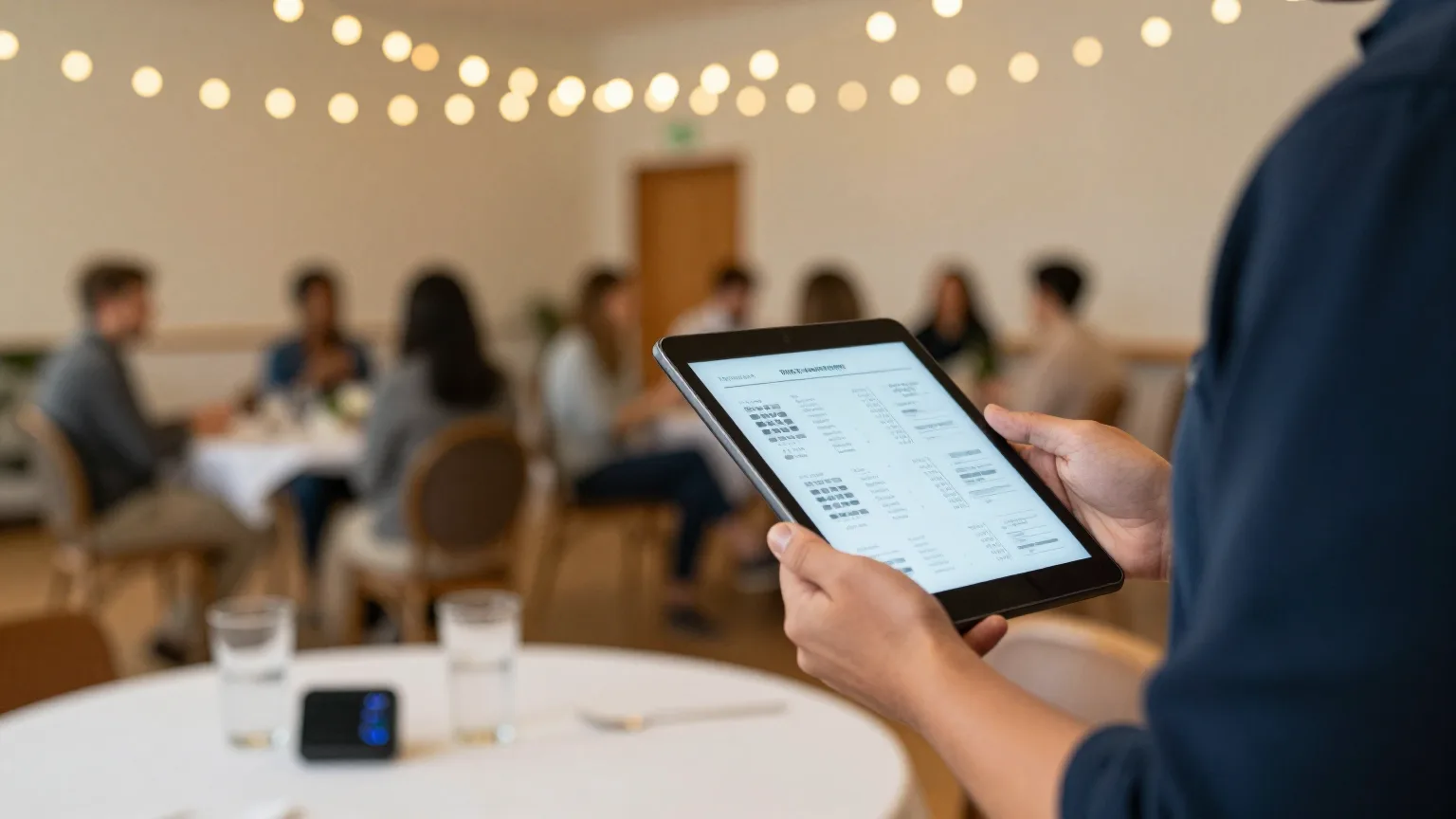
There are several options for technology. The simplest is a "hand signal" system, where participants raise their hand if they are interested in their partner. The host then records this on a digital tablet or app. This is low-tech and effective, but it can be prone to error if the host is not attentive. A more advanced option is a dedicated speed dating app, such as Fotify, which allows participants to signal interest directly on their phones [1]. This eliminates the need for a host to record matches manually and ensures that both parties know immediately if they have a mutual match.
Some events are even experimenting with "virtual" speed dating components, where participants meet via video chat before the in-person event [1]. This can be a useful tool for reducing anxiety and allowing participants to see if they have basic compatibility before committing to a full in-person date. However, it is important to remember that the goal of speed dating is to determine chemistry in person [3]. Therefore, any virtual component should be a supplement to, not a replacement for, the face-to-face interaction.
The Art of the Introduction: Setting the Tone
The first five minutes of your event are crucial. This is when you set the tone, establish the rules, and reduce anxiety. You need to be clear, concise, and confident. Start by thanking everyone for coming and expressing your excitement to be there. Then, explain the format of the event in simple terms. How long is each round? How do you signal interest? What happens if you match? Where is the bathroom? Where is the bar?
It is also important to address the elephant in the room: anxiety. Many participants, especially first-timers, will be nervous. Acknowledge this by saying something like, "It’s normal to feel a bit nervous. Remember, everyone else is in the same boat. The goal is just to have a fun, low-pressure conversation. If you don’t click with someone, that’s okay. It’s a numbers game." This kind of reassurance can go a long way in helping participants relax and be their authentic selves.
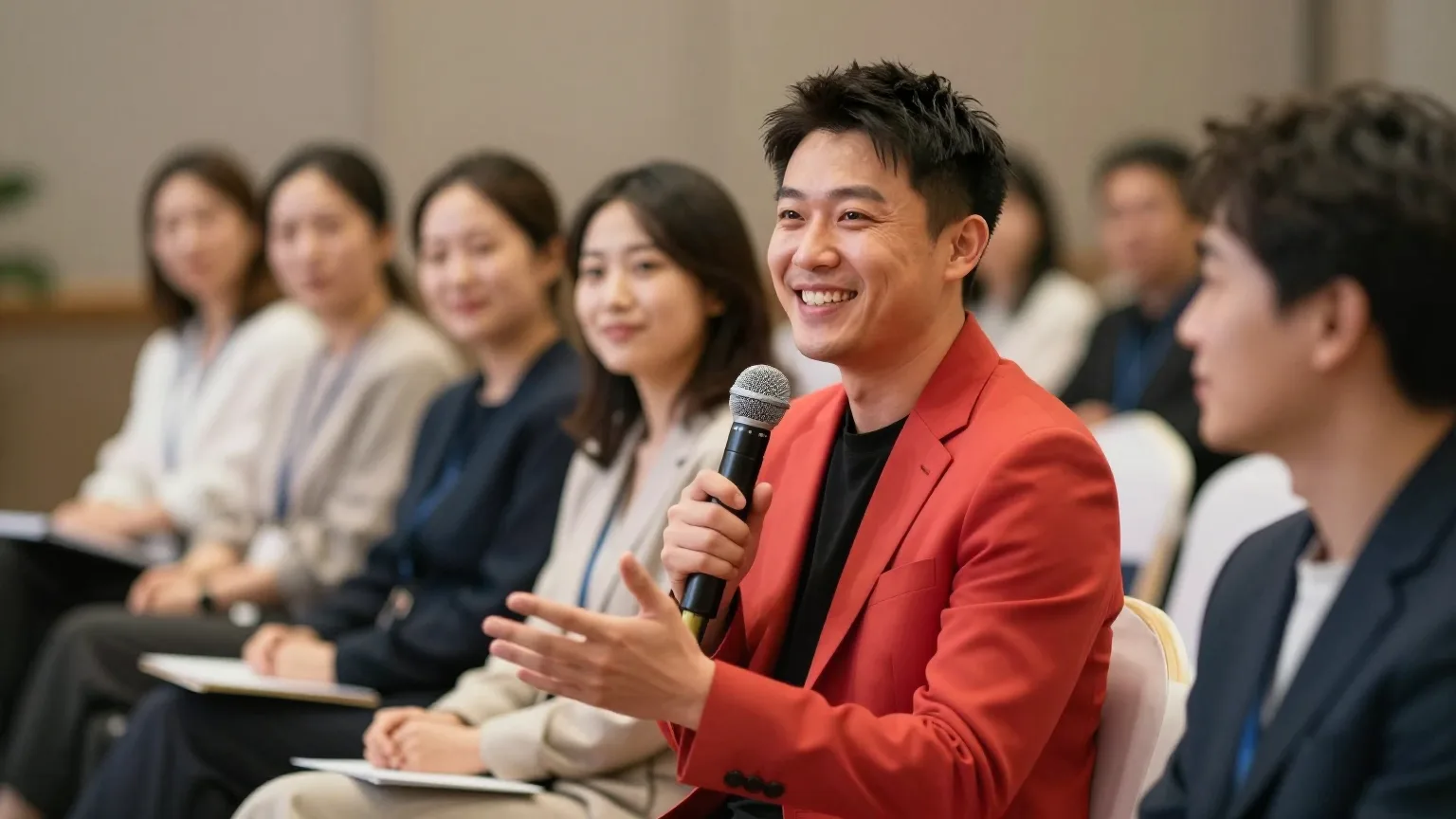
Consider having a "host" or "emcee" who moves around the room during the event. This person can help with any questions, ensure that participants are moving on time, and perhaps even facilitate a "re-match" conversation at the end of the event. The host should be energetic, friendly, and approachable. They are the face of your event, and their demeanor will influence the overall atmosphere. If the host is stressed or disorganized, the participants will feel it. If the host is calm and confident, the participants will feel at ease.
Conversation Starters and Icebreakers
One of the biggest challenges in speed dating is the "blank stare" moment. Participants sit down, look at each other, and have no idea what to say. To help prevent this, you can provide conversation starters or icebreakers. These can be printed on cards at each table or displayed on a screen. The key is to choose questions that are open-ended and encourage genuine connection, rather than yes/no answers.
Avoid questions like "Do you like dogs?" or "What do you do for a living?" These are too basic and do not reveal much about a person’s personality. Instead, ask questions like "What is a recent adventure you took that you are proud of?" or "What is a skill you are currently trying to learn?" or "If you could have dinner with any historical figure, who would it be and why?" These types of questions encourage storytelling and reveal values, interests, and passions.
You can also incorporate "icebreaker" activities into the event. For example, you might have a "two truths and a lie" round where participants share three facts about themselves, two of which are true and one of which is a lie. Their partner has to guess which one is the lie. This is a fun, low-pressure way to get to know someone and break the ice. Alternatively, you might have a "speed quiz" where participants answer a series of quick-fire questions, such as "Sushi or Pizza?" or "Beach or Mountain?" This can help participants find common ground quickly.
Handling Mismatches and Rejections
Let’s be honest: not every speed date will be a success. In fact, most of them won’t be. This is not a failure; it is the nature of the format. Speed dating is about efficiently filtering out incompatible partners so that you can focus your energy on the ones who are a good fit [3]. However, it is important to handle mismatches and rejections with grace and dignity.
As a host, you should emphasize that a lack of interest is not a personal rejection. It is simply a matter of compatibility. You can remind participants that "just because someone didn’t signal interest in you, it doesn’t mean they think you are unattractive or interesting. It just means you are not a match." This kind of reframing can help reduce the sting of rejection and keep the atmosphere positive.
It is also important to provide a clear process for handling mismatches. If two participants do not match, they should not feel pressured to continue the conversation or to be polite. They can simply wait for the next rotation. If they do match, they should be given a clear way to connect, such as exchanging contact information or using the event’s app to schedule a follow-up date. The goal is to make the transition from "speed date" to "real date" as smooth and easy as possible.
Marketing and Promotion: Getting the Right People
Even the best-planned event will fail if no one shows up. Marketing is a critical component of hosting a successful speed dating event. In 2026, the most effective marketing channels are social media and community partnerships. Use platforms like Instagram, TikTok, and Facebook to promote your event. Create eye-catching graphics, short videos, and engaging copy that highlights the benefits of attending. Emphasize the fun, low-pressure nature of the event and the opportunity to meet new people in real life [2].
Partner with local businesses, such as bars, restaurants, and gyms, to promote your event. Offer discounts or freebies to their customers in exchange for promoting your event on their social media channels or in-store. You can also partner with local community groups, such as book clubs, hiking groups, or professional associations, to reach a targeted audience. The more specific your audience, the more relevant your marketing will be.
It is also important to create a sense of urgency. Use limited tickets, early-bird discounts, and countdown timers to encourage people to sign up quickly. This can help create a buzz around your event and ensure that you have a full house. A full house is essential for a successful speed dating event, as it ensures that there are enough participants to create a lively atmosphere and a high number of potential matches.
Post-Event Follow-Up and Community Building
The event does not end when the last participant leaves. In fact, the post-event follow-up is where you can truly build a community and ensure that your event has a lasting impact. Send out a thank-you email to all participants within 24 hours of the event. Include a link to the event’s app or website where they can check for matches and schedule follow-up dates. You can also include a short survey to gather feedback on the event. This feedback will be invaluable for improving future events.
Consider creating a private social media group or forum for participants to connect with each other. This can be a safe space for participants to share their experiences, ask for advice, and make new friends. It can also be a platform for you to promote future events and keep the community engaged. By building a community around your event, you can create a loyal base of participants who will keep coming back for more.
You can also host "re-match" events or "single nights" for participants who did not find a match at the first event. This can help reduce the stigma of not matching and give participants another chance to connect. It also shows that you are invested in their success and that you are not just interested in hosting a one-off event. By providing ongoing support and opportunities for connection, you can turn a single speed dating event into a long-term community initiative.
Common Pitfalls and How to Avoid Them
Even with the best intentions, things can go wrong. Here are some common pitfalls to avoid when hosting a speed dating event. First, do not overcomplicate the format. Keep it simple and easy to understand. The more complex the format, the more likely participants are to get confused or frustrated. Second, do not underestimate the importance of the host. A skilled host can make or break an event. If you are not confident in your ability to host, consider hiring a professional emcee or event coordinator.
Third, do not ignore the logistics. Make sure you have enough tables, chairs, and signage. Make sure the venue is accessible and comfortable. Make sure you have a backup plan in case of technical difficulties or unexpected issues. Fourth, do not be afraid to be flexible. If something is not working, do not be afraid to adjust the format or the timing. The goal is to create a positive experience for the participants, not to stick rigidly to a script.
Finally, do not forget to have fun. Speed dating should be a fun, lighthearted experience. If you are stressed or tense, the participants will feel it. Take a deep breath, smile, and enjoy the process. Remember that you are not just hosting an event; you are facilitating human connection. And that is something truly special.
Conclusion: Your Invitation to Connect
Hosting a speed dating event in 2026 is more than just a logistical challenge; it is an opportunity to make a meaningful impact on the lives of others. In a world that is increasingly digital and disconnected, the simple act of bringing people together for a face-to-face conversation is a radical act of connection. It is a reminder that chemistry is not just an algorithm, but a human experience that can only be discovered in person [3].
Whether you are hosting a small, intimate mixer for a group of friends or a large, high-energy event for a community, the principles remain the same: be clear, be kind, and be present. Use the tools and insights in this guide to create an event that is not only successful but also memorable. And who knows? Maybe you will be the one to spark the next great love story. Or maybe you will just help someone find a new friend. Either way, you will have made a difference.
So, what are you waiting for? Start planning your event today. Reach out to a venue, create a marketing plan, and invite your community to join you. The world is full of singles who are tired of swiping and ready to meet. Be the one who brings them together. The next great connection is waiting to happen, and it might start with your event.