Beyond Burnout: Why 2026 Singles Are Swapping Apps for Speed Dating
It is a familiar scenario, one that likely resonates with anyone who has spent more than five minutes on a dating app in the last few years. You swipe right. They swipe right back. The chat begins with a "hey" that goes unanswered for three days, followed by a generic "how’s your week?" that receives a one-word response. You feel a strange, hollow ache in your chest—a mix of anxiety, rejection, and sheer exhaustion. This is not just bad luck; this is the phenomenon known as "dating app burnout," and in 2026, it has reached a critical mass that is fundamentally reshaping how we find love.
For over a decade, the digital algorithm was the gatekeeper of romance. We trusted code to match us based on location, photos, and a few bullet-point interests. But the human heart, it turns out, is not a data set. As we navigate the latter half of the 2020s, a significant cultural shift is underway. Singles are quietly ditching the infinite scroll for the finite hour. They are trading the ghosting potential of a chat bubble for the high-stakes, high-reward adrenaline of a speed dating event. This is not a regression; it is an evolution. It is a move back toward the tangible, the immediate, and the deeply human.
The Anatomy of App Burnout
To understand why speed dating is making a comeback, we must first diagnose the illness that drove us away from apps. Dating app burnout is not merely about being tired of swiping; it is a psychological fatigue caused by the paradox of choice and the gamification of intimacy. When you have access to hundreds of potential partners in your immediate vicinity, the value of each individual interaction diminishes. We treat people like products on a shelf, picking and choosing based on superficial metrics without ever engaging in the messy, unpredictable work of getting to know someone.
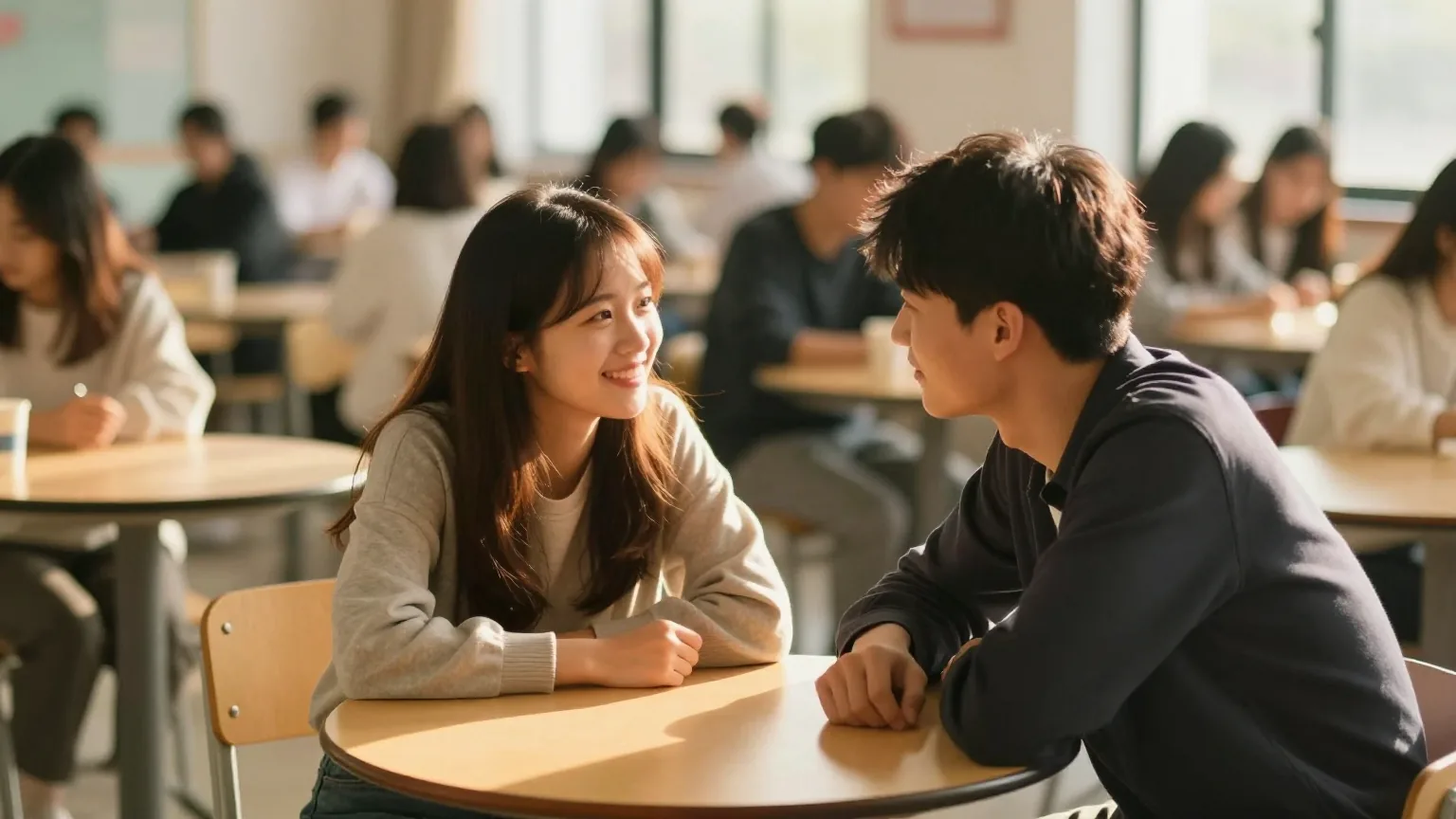
Recent reporting highlights that this burnout is driving more singles to seek meaningful relationships offline [3]. The frustration stems from the disconnection between digital presence and physical reality. In an app, you curate a persona. In a speed dating room, you are a person. You have to smile when you are tired, you have to listen when you are distracted, and you have to be present when your brain wants to check your notifications. This friction, which feels like a burden in the digital world, is actually a filter in the real world. It weeds out those who are not ready for genuine connection and highlights those who are.
The History of the Speed Dating Phenomenon
It is easy to view speed dating as a modern invention, a quirky trend born out of the early 2000s. However, the concept of formalized matchmaking is ancient. The roots of speed dating can be traced back to religious and community traditions where arranged meetings were common. The modern iteration, however, has a specific origin story that is fascinating in its own right. The concept was popularized in the late 1990s and early 2000s, particularly within Jewish communities in Los Angeles, as a way to facilitate introductions in a structured, safe, and efficient manner [4].
What began as a niche community event quickly exploded into a global phenomenon. The format is deceptively simple: singles meet briefly, usually for five to ten minutes at a time, and decide if they are interested in each other [4]. If both parties mark their interest, their contact information is exchanged. If not, they move on. This structure removes the ambiguity that plagues modern dating. There is no "maybe," no "let’s see how things go," and no weeks of waiting for a reply. There is only a clear, binary decision made in real-time. In 2026, this clarity is more valuable than ever.
The Psychology of the "Brief Encounter"
Why does a five-minute conversation work? Psychologists and relationship experts have long studied the dynamics of first impressions. We form judgments about trustworthiness, competence, and attraction within seconds. Speed dating leverages this cognitive shortcut. By compressing the initial stage of dating into a short window, it forces participants to focus on core compatibility rather than getting lost in the details of a long, drawn-out conversation.
There is also a significant element of "scarcity" in play. When you only have five minutes with someone, you are less likely to overthink. You are more likely to be authentic because you do not have the time to construct a elaborate persona. This authenticity is often what leads to deeper connections later on. Furthermore, the group setting of a speed dating event reduces the pressure of a one-on-one date. You are not alone with a stranger; you are part of a community of people all seeking the same thing. This shared context creates a sense of safety and camaraderie that is hard to replicate in a bar or a coffee shop.
The Rise of the "Curated" Event
One of the most significant changes in the speed dating landscape in 2026 is the move away from generic, "one-size-fits-all" events toward highly curated experiences. The days of standing in a line with 50 strangers of varying ages and interests are largely over. Today’s speed dating services are acting as matchmakers in a broader sense, creating events tailored to specific demographics, hobbies, and lifestyle preferences.
Companies like Pre-Dating, which claims to be the world's largest speed dating service with monthly events in over 90 cities, have mastered this art [1]. They understand that a lawyer in New York City has different dating priorities than a nurse in Austin, Texas. By segmenting their events, they increase the likelihood of compatibility before the first conversation even begins. This curation reduces the "noise" that often plagues dating apps, where you might match with someone who lives on the other side of the city or has entirely different values because the algorithm prioritized proximity over compatibility.
Virtual Speed Dating: A Hybrid Reality
It would be remiss to discuss 2026 without acknowledging the digital hybrid. While the trend is moving toward in-person interactions, virtual speed dating has not disappeared; it has evolved. It is no longer just a stopgap for those who cannot leave the house. It has become a legitimate tool for long-distance singles, introverts, or those in remote areas where local options are scarce.
Modern platforms have refined the virtual format to make it more engaging. Instead of a static video call, these events often incorporate interactive elements, such as shared games or collaborative tasks, to break the ice [5]. The key difference between virtual and in-person speed dating is the absence of physical chemistry cues. While you can still gauge verbal tone and facial expressions, you miss out on body language, scent, and the subtle micro-expressions that often signal attraction. For many, virtual speed dating serves as a pre-screening tool, allowing them to filter out incompatible partners before investing time in a travel-heavy in-person date.
The Role of Technology in the Modern Event
Even in the most traditional in-person speed dating events, technology plays a crucial role. The days of paper cards and clipboards are largely a thing of the past. In 2026, most reputable speed dating services use dedicated apps or web-based platforms to manage the logistics of the event [2].
These apps handle the scheduling, the rotation of tables, and the collection of interest signals. When a round ends, participants tap a button on their phone to indicate if they would like to see that person again. This data is aggregated in real-time, allowing the organizers to identify mutual matches instantly. At the end of the event, participants receive a list of their mutual matches, often with a prompt to initiate contact. This digital layer adds a level of efficiency and privacy that paper-based systems could never achieve. It also allows for data analytics, helping organizers understand what types of events are most successful and what demographics are most engaged.
Corporate Networking and the "Soft" Speed Date
An interesting offshoot of the speed dating trend is its application in professional settings. While we associate speed dating with romance, the format is increasingly being used for corporate networking, mentorship, and even hiring. Companies are realizing that the structured, brief-interaction model is an excellent way to facilitate connections among employees who might not otherwise cross paths.
These "corporate speed dating" events are less about romantic attraction and more about professional synergy. They allow for quick introductions, rapid assessment of potential collaboration, and the breaking down of silos within an organization. The same principles apply: short time limits force concise communication, and the structured rotation ensures that everyone gets a chance to interact with a diverse group of colleagues. This application of speed dating highlights the versatility of the format and its underlying value in facilitating human connection in high-pressure environments.

Cultural Shifts and the Rejection of Perfection
The resurgence of speed dating is also a reflection of broader cultural shifts in how we view relationships. There is a growing rejection of the "perfect partner" myth perpetuated by dating apps. The idea that you can find your soulmate by filtering through 100 different criteria is increasingly seen as a fantasy. Instead, there is a renewed appreciation for the messiness and unpredictability of human interaction.
In a speed dating event, you are not searching for a perfect match; you are searching for a spark. You are looking for that moment of connection, that laugh that catches you off guard, that eye contact that lingers a second too long. This shift in mindset—from curation to discovery—is at the heart of the speed dating renaissance. It is a recognition that chemistry cannot be algorithmically determined; it must be felt. And you can only feel it if you are present, if you are open, and if you are willing to take a chance on a brief, intense interaction.
Practical Tips for the 2026 Speed Dater
If you are considering attending a speed dating event in 2026, here are a few tips to help you make the most of the experience:
- Prepare Your "Elevator Pitch": You will only have a few minutes to introduce yourself. Have a concise, engaging summary of who you are and what you are looking for ready to go. Avoid generic statements like "I like to travel." Instead, be specific: "I just got back from a hiking trip in Patagonia and I’m looking for someone who can keep up with my weekend adventures."
- Ask Open-Ended Questions: The goal is to start a conversation, not to conduct an interview. Ask questions that allow for elaboration and storytelling. "What’s the most interesting thing you’ve done this month?" is a much better opener than "What do you do for work?"
- Be Present: Put your phone away. Make eye contact. Listen actively. In a world full of distractions, being fully present is a rare and attractive quality.
- Manage Your Expectations: Not every conversation will be a spark. That is okay. Some people will be more compatible with you than others. Be kind, be gracious, and remember that the goal is to find a few genuine connections, not to match with everyone in the room.
- Follow Up Promptly: If you receive a mutual match at the end of the event, send a message within 24 to 48 hours. The momentum of the event will fade quickly, and a prompt follow-up shows interest and respect.
The Economics of Romance
Let’s not ignore the financial aspect of dating. In 2026, the cost of dating has risen significantly. Dinner dates, drinks, and activities can add up quickly. Speed dating offers a more cost-effective alternative. For a fraction of the price of a single dinner date, you can meet 10 to 15 potential partners. This efficiency is particularly appealing to younger singles and those who are budget-conscious. It allows you to cast a wider net without breaking the bank, increasing your chances of finding a compatible match without incurring excessive debt.
Furthermore, the time investment is lower. Instead of spending weeks in the "talking stage," where you are exchanging messages and trying to schedule a date that never happens, you can move directly to the next step. If you match with someone, you can go on a date with the confidence that you have already established a baseline of mutual interest. This reduces the anxiety and uncertainty that often accompany the early stages of dating.
The Social Aspect: Community Over Isolation
One of the most underrated benefits of speed dating is the social aspect. In an era of increasing isolation and digital loneliness, speed dating events provide a rare opportunity to be part of a community. You are surrounded by people who share your goal, your frustration, and your hope. This shared experience creates a sense of camaraderie that can last long after the event ends.
Many attendees report that even if they do not find a romantic match, they make new friends. The conversations that take place in these events are often deeper and more meaningful than the small talk that occurs in casual social settings. You are discussing your values, your dreams, and your fears, which leads to a level of intimacy that is difficult to achieve in other contexts. This social connection is a valuable byproduct of the speed dating experience, one that contributes to overall well-being and a sense of belonging.
Challenges and Criticisms
It is important to acknowledge that speed dating is not without its challenges. Critics argue that the format is too superficial, reducing complex human beings to a series of quick judgments. They point out that the pressure to make a decision in five minutes can lead to snap judgments that are not reflective of true compatibility. There is also the issue of gender dynamics, which can make the experience uncomfortable for some participants, particularly women who may feel pressured to be charming or accommodating.
However, proponents argue that these criticisms are overstated. They point out that speed dating is just the first step in the dating process, not the end. It is a tool for facilitating introductions, not a substitute for deep, long-term connection. Moreover, the structured nature of the event can actually reduce gender dynamics by providing a clear framework for interaction. Everyone has the same amount of time, the same rules, and the same goal. This level playing field can help to mitigate some of the power imbalances that exist in traditional dating.
The Future of Connection
As we look to the future, it is clear that the way we find love will continue to evolve. The binary choice between apps and in-person events is likely to give way to a more integrated model. We will see more hybrid events that combine the convenience of digital matching with the authenticity of face-to-face interaction. We will see more personalized experiences that take into account our unique preferences and lifestyles. And we will see a continued emphasis on community and connection, as we recognize that love is not just about finding a partner, but about building a life with someone who understands and supports us.
The resurgence of speed dating in 2026 is a testament to the enduring human desire for connection. It is a rejection of the cold, algorithmic approach to romance and a embrace of the warm, messy, and beautiful reality of human interaction. It is a reminder that while technology can help us find people, it cannot replace the spark of a genuine connection. And in a world that is increasingly digital, that spark is more precious than ever.
Conclusion: Take the Leap
If you have been feeling the weight of dating app burnout, if you have been exhausted by the endless scroll and the ghosting, and if you are ready to take control of your love life, consider trying speed dating. It is not a magic bullet, but it is a powerful tool. It is a chance to meet new people, to be present, and to open yourself up to the possibility of love. It is a chance to step out of the digital void and into the real world, where connections are made not through algorithms, but through hearts.
So, why wait? Check out a local event, sign up, and show up. Bring your best self, your curiosity, and your openness. Who knows? You might just find the person you have been looking for, not on a screen, but in a room full of people who are just as eager to find love as you are. The future of dating is not just digital; it is human. And it is waiting for you.
Call to Action: Ready to break free from the app trap? Explore the latest speed dating events in your city [1] and see how this timeless format is being reimagined for 2026 [2]. Your next great connection might be just five minutes away.
Sources
- Speed Dating Singles Events by Pre-Dating - Largest Speed Dating ...
- Event Speed Dating 2026: How to Host a Speed Dating Event (Complete ...
- Dating app burnout sends singles back to in-person dating ... - PennLive
- Speed dating - Wikipedia
- 7 Best Online Speed Dating Sites & Games (2026) - DatingAdvice.com