Why Speed Dating Is Back in 2026: The Complete Host's Guide
Why Speed Dating Is Back in 2026: The Complete Host’s Guide
Imagine a room full of single professionals, all looking slightly nervous, all holding a small card, and all waiting for the chime that signals the next rotation. For years, we assumed this scene was a relic of the early 2000s, a fading memory of an era before the infinite scroll of dating apps consumed our lives. But if you look around the local event calendars in 2026, that assumption is dangerously wrong. Speed dating isn’t just surviving; it is thriving. It has evolved from a quirky novelty into a sophisticated, highly organized matchmaking process that caters to a generation tired of digital fatigue [3].
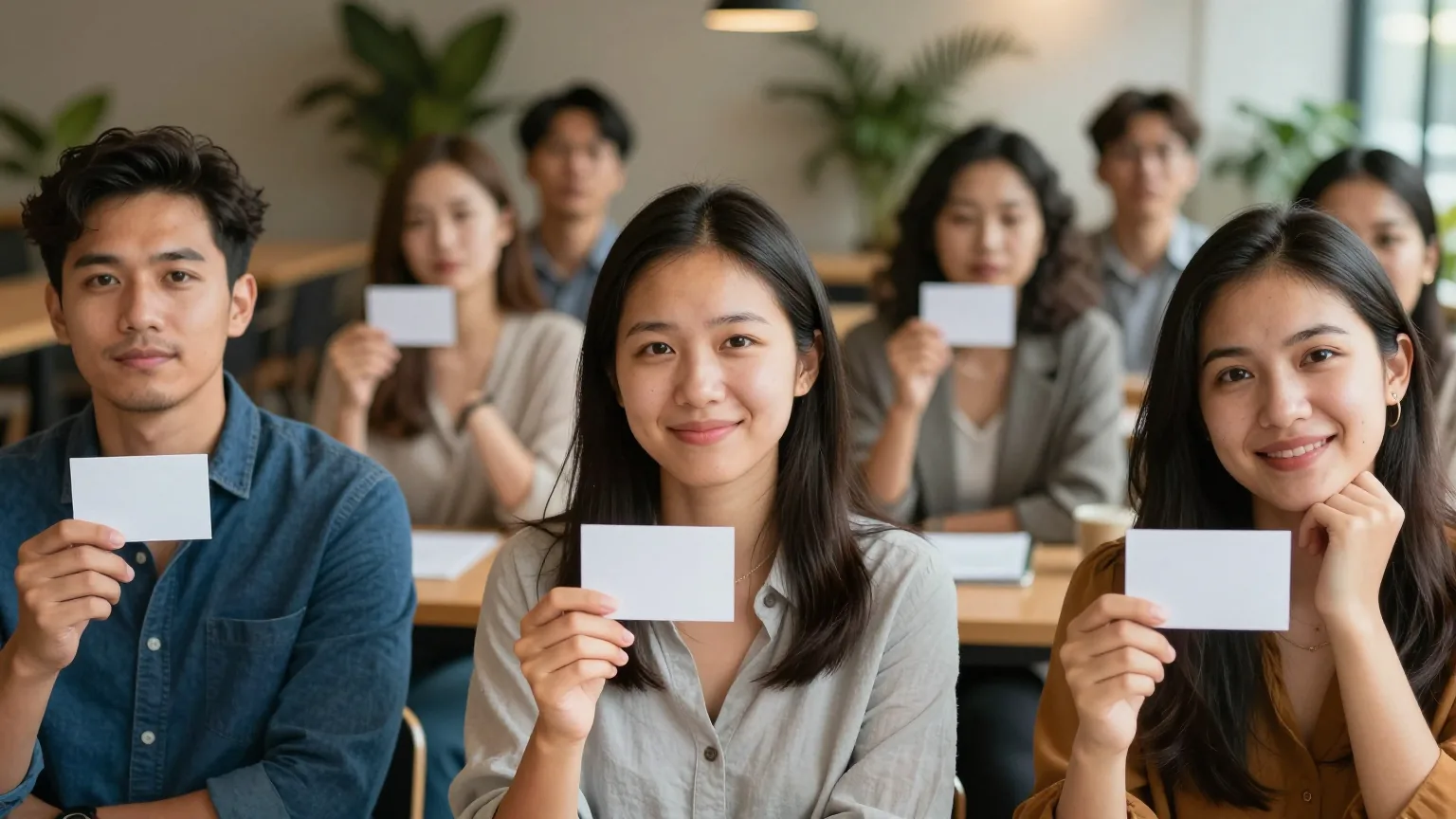
The modern speed dating event is no longer just about grabbing a drink and hoping for the best. It is a structured, efficient, and surprisingly intimate way to meet people in real life. With the rise of virtual work and the saturation of online dating platforms, the desire for face-to-face connection has surged. This guide explores why speed dating is making such a powerful comeback and provides a comprehensive playbook for those looking to host or participate in these events in 2026 [2].
The Digital Fatigue and the Return to Reality
To understand why speed dating is back, we must first understand why it left. In the late 2010s and early 2020s, the dominance of swipe-based dating apps created a paradox of choice that often led to paralysis. Users spent hours swiping, messaging, and ghosting, leading to what psychologists and sociologists have termed "digital fatigue." The screen became a barrier, not a bridge. People wanted to know if someone was funny, charming, or compatible in real-time, not through a curated profile picture [3].
By 2026, the pendulum has swung back. The goal of modern speed dating services is explicitly to "make meeting people in real life cool again." This cultural shift has been driven by a collective realization that algorithms can suggest compatibility, but they cannot replicate the chemistry of a shared laugh or the subtle cues of body language that only occur in person [5]. The return of speed dating is a rejection of the passive, low-stakes nature of online messaging in favor of active, high-intensity social interaction.
What Is Speed Dating, Really? A Modern Definition
At its core, speed dating is a formalized matchmaking process where singles meet briefly and decide if they are interested in each other [4]. While the concept has roots in the early 2000s, the 2026 version is far more refined. It is not merely a series of short conversations; it is a curated experience designed to maximize efficiency and minimize awkwardness.
The traditional model involved a round-robin format where participants rotate every few minutes. Today, this has evolved into various formats tailored to specific demographics and goals. Whether it is a "corporate networking" mixer for professionals, a "wedding singles mixer" for friends of the bride and groom, or a virtual hybrid event, the underlying principle remains the same: brief, structured interactions that allow for rapid assessment of compatibility [2].
Understanding this evolution is crucial for hosts. You are not just organizing a party; you are engineering a social experiment where the goal is to create connections that might otherwise never happen. The stakes are higher, the curation is tighter, and the expectations are clearer.
The Psychology of Brief Encounters
Why does such a short amount of time—often just three to five minutes per pair—work? The psychology behind speed dating is fascinating. In a brief encounter, people are forced to drop their usual social masks. There is no time for long-winded small talk or rehearsed lines. Instead, the interaction relies on "first impressions" and "micro-expressions," which are often more accurate predictors of long-term compatibility than extended conversations in the early stages [4].
Scientific studies have shown that initial attraction and compatibility are heavily influenced by non-verbal cues, such as eye contact, posture, and tone of voice. These elements are often filtered out or distorted in text-based communication. Speed dating puts these cues front and center. Furthermore, the low-stakes nature of the interaction reduces anxiety. If you don’t click, you simply move on to the next person. There is no ghosting, no mixed signals, and no prolonged awkwardness. This psychological safety net encourages participants to be more open and authentic [3].
For hosts, understanding this psychology means designing the event to enhance these natural interactions. The environment should encourage openness, not performance. The questions should prompt genuine curiosity, not interrogation.
The 2026 Playbook: Format and Structure
Hosting a successful speed dating event in 2026 requires a meticulous approach to format and structure. The "complete playbook" includes several key elements that have been refined over the last decade [2].
1. The Rotation System: The most common format is the "table rotation," where one gender (or one group) remains stationary while the other rotates. However, newer models use "room hopping" or "zone-based" rotations to accommodate larger groups. The key is to ensure that every participant has an equal number of opportunities to interact with every other participant of the opposite gender (or desired match pool).
2. Time Management: The standard time slot is 3 to 5 minutes. This is short enough to keep the energy high but long enough to establish a basic connection. Hosts must be strict with timing. A chime, bell, or app notification should signal the end of each round. Any deviation from the schedule can lead to frustration and a breakdown in the flow of the event [2].
3. The Scorecard: Participants are given a scorecard or a digital equivalent to indicate their interest in each person they meet. In 2026, digital scorecards are becoming the norm, integrated into the event management app. This allows for real-time data collection and instant matching results, eliminating the need for manual data entry [2].
4. The Icebreakers: To prevent the dreaded "awkward silence," hosts provide conversation prompts or icebreaker questions. These should be open-ended and encourage sharing of values and interests rather than surface-level facts. For example, instead of "Where do you work?", try "What is a hobby you’ve recently picked up that surprised you?" [2].
Choosing the Right Venue and Atmosphere
The venue is not just a backdrop; it is a critical component of the experience. In 2026, the best speed dating events are held in spaces that are comfortable, stylish, and conducive to conversation. A loud, crowded nightclub is a poor choice, as it makes it difficult to hear and connect. Instead, look for venues with a relaxed atmosphere, good lighting, and ample seating [2].
Popular choices include upscale lounges, private dining rooms, and even outdoor gardens (with indoor backup for weather). The venue should feel exclusive but not intimidating. The goal is to create a "third place"—a space that is neither home nor work, but a social hub where people feel safe and open [5].
Consider the layout. Tables should be spaced far enough apart to allow for privacy but close enough to create a sense of community. The seating arrangement should facilitate easy rotation. If you are hosting a virtual or hybrid event, ensure that the platform is user-friendly and that the video quality is high. Virtual speed dating has become a viable option, especially for those in remote areas or those who prefer a low-pressure introduction [2].
Leveraging Technology: Apps and Platforms
Technology is no longer just a tool for marketing; it is the backbone of the modern speed dating event. In 2026, most reputable hosts use dedicated apps or platforms to manage the entire lifecycle of the event, from registration to matching [2].
These platforms offer several advantages:
- Seamless Registration: Participants can sign up, pay, and view the event details all in one place. This reduces friction and increases conversion rates.
- Real-Time Matching: As mentioned earlier, digital scorecards allow for instant matching. If two participants indicate interest in each other, their contact information is shared immediately after the event. This immediacy is crucial, as the excitement of the interaction is highest right after it ends [2].
- Analytics: Hosts can gather data on participant preferences, popular time slots, and demographic trends. This data can be used to refine future events and target marketing efforts more effectively.
- Virtual Integration: Many platforms now support hybrid events, allowing participants to join from a physical venue or from their home. This expands the potential audience and makes the event more accessible [2].
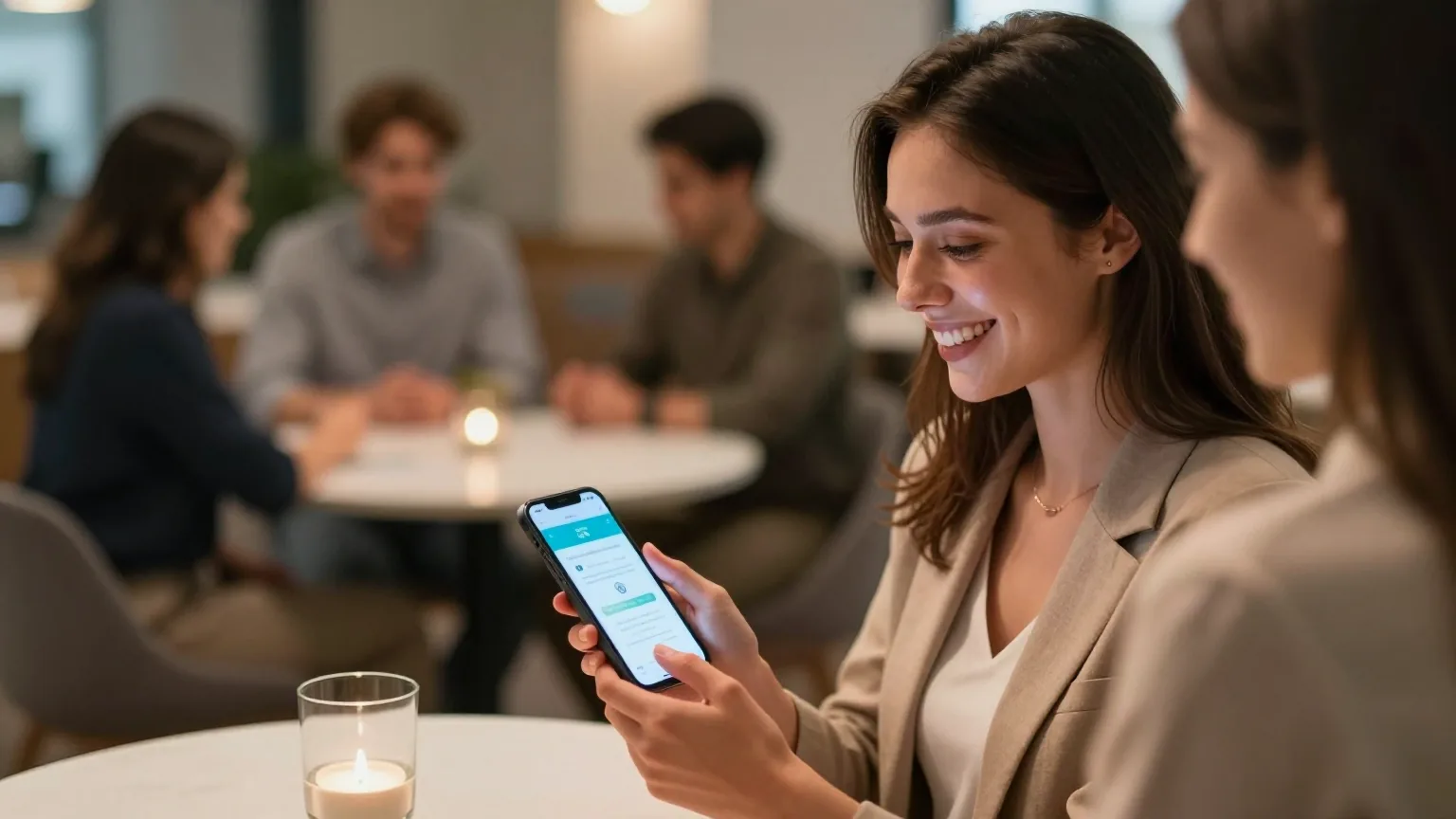
When choosing a platform, look for one that is reliable, secure, and user-friendly. The app should be intuitive for participants, requiring minimal training. The backend should be robust enough to handle the volume of data and ensure the privacy of user information [2].
Marketing and Community Building
A great event is useless if no one shows up. Marketing for speed dating in 2026 requires a blend of traditional and digital strategies. The target audience is typically busy, single professionals who are looking for a serious relationship but are tired of the inefficiency of dating apps [1].
Local Partnerships: Partner with local businesses, such as bars, restaurants, and wellness centers. These partners can promote the event to their customer base and may even offer discounts or incentives for attendees. This creates a win-win situation and helps to build a sense of community around the event [5].
Social Media: Use social media to create buzz and share testimonials from past participants. Highlight the success stories and the fun, low-pressure atmosphere of the event. Use targeted ads to reach specific demographics in your area [6].
Email Marketing: Build an email list of interested singles. Send regular updates, tips on dating, and invitations to upcoming events. Personalize the emails to increase engagement and keep your audience warm [1].
Word of Mouth: Encourage participants to bring a friend. Even if their friend is not interested in dating, they can help create a more relaxed atmosphere. Happy attendees are your best marketers. Make sure they have a positive experience and encourage them to share their stories [5].
Handling Diversity and Inclusion
One of the criticisms of traditional speed dating has been its lack of diversity. Events were often dominated by one demographic, making it difficult for others to find matches. In 2026, this is changing. Modern hosts are making a concerted effort to create inclusive events that cater to a wide range of backgrounds, orientations, and identities [4].
This includes:
- Queer-Specific Events: Hosting dedicated speed dating events for LGBTQ+ singles is increasingly common. These events provide a safe and welcoming space for individuals who may not feel comfortable in mixed-gender events [4].
- Cultural and Religious Mixers: Events tailored to specific cultural or religious communities help to bridge gaps and create connections within and between different groups [4].
- Accessible Formats: Ensuring that the venue is accessible to people with disabilities and that the format is inclusive of neurodivergent individuals. This may include providing quieter spaces, clear communication, and flexible timing [2].
By embracing diversity, hosts can expand their audience and create a more vibrant and meaningful experience for everyone involved. Inclusion is not just a moral imperative; it is a business strategy that ensures the longevity and relevance of the event [4].
Common Pitfalls and How to Avoid Them
Even the best-planned events can go wrong. Here are some common pitfalls to watch out for:
1. Poor Attendance: If the number of participants is too low, the event will feel empty and awkward. Set a minimum attendance threshold and consider canceling or rescheduling if it is not met. Communicate clearly with attendees if this happens [2].
2. Uneven Ratios: A significant imbalance between the number of men and women (or other groups) can make the experience frustrating for one side. Aim for a balanced ratio, and consider offering incentives to correct imbalances [2].
3. Lack of Facilitation: The host or facilitator is crucial. They should be energetic, friendly, and attentive. They need to manage the timing, answer questions, and keep the energy up. A passive host can kill the vibe of the event [2].
4. Ignoring Feedback: Always collect feedback from participants. Use this data to improve future events. Ask about the format, the venue, the questions, and the overall experience. Continuous improvement is key to success [2].
Success Stories and Real-World Impact
The impact of speed dating goes beyond just creating dates. It is fostering a sense of community and connection in an increasingly isolated world. Many participants report feeling more confident and social after attending an event, even if they do not find a match [3].
There are countless success stories of couples who met at speed dating events and are now happily married. These stories are powerful testimonials to the effectiveness of the format. Share these stories on your social media and in your marketing materials to inspire potential attendees [5].
Furthermore, speed dating events are becoming a popular way for companies to team-build and for communities to connect. Corporate networking mixers, for example, use the speed dating format to help employees get to know each other across departments. This can improve collaboration and morale [2].
Conclusion: The Future of Connection
Speed dating is more than just a dating format; it is a reflection of our desire for authentic human connection. In a world that is increasingly digital and fragmented, the act of sitting across from another person, making eye contact, and sharing a brief moment of vulnerability is a radical act of connection [3].
As we move further into 2026, the trend is clear: people are craving real-life interactions. They want to meet people in a safe, structured, and fun environment. They want to escape the swipe-and-ghost cycle and engage in meaningful conversations. Speed dating offers a perfect solution to this need.
For hosts, the opportunity is immense. By leveraging technology, embracing diversity, and creating a welcoming atmosphere, you can create events that not only facilitate dating but also build community. The key is to stay authentic, listen to your participants, and continuously innovate. The future of speed dating is bright, and it is time to make it happen.
Are you ready to bring the magic of real-life connection to your community? Start planning your next event today. Use the playbook, leverage the tools, and create an experience that people will talk about for years to come. The chime is about to sound. Are you ready?
Sources
- Speed Dating Singles Events by Pre-Dating - Largest Speed Dating ...
- Event Speed Dating 2026: How to Host a Speed Dating Event (Complete ...
- Is Speed Dating Making a Comeback? - AskMen
- Speed dating - Wikipedia
- Speed Dating 2026 by Happy Hour Speed Dating | Eventbrite
- The latest Speed Dating Events news, videos & comments | NewsBreak