I Survived 50 Speed Dates: What Actually Works
If you think modern romance is a digital ghost town, you are wrong. It is a digital jungle, and if you want to survive, you need the right gear. I recently decided to stop hiding behind my phone screen and plunge headfirst into the ancient art of the speed date. Over the span of two months, I sat across from fifty different people in coffee shops, bars, and community centers. I drank enough espresso to power a small satellite, heard more than I bargained for, and learned a few things that no dating app algorithm can teach you.
Speed dating is often misunderstood. People think it is a factory line of human souls, a transactional exchange of resumes with a romantic veneer. But after surviving fifty rounds, I can tell you it is actually the most honest social experiment in the modern world. In a world of curated Instagram lives and carefully crafted Tinder bios, speed dating strips away the performance. You have three to five minutes. You cannot fake your energy, your laughter, or your awkward silence. It is raw, unfiltered, and incredibly effective.
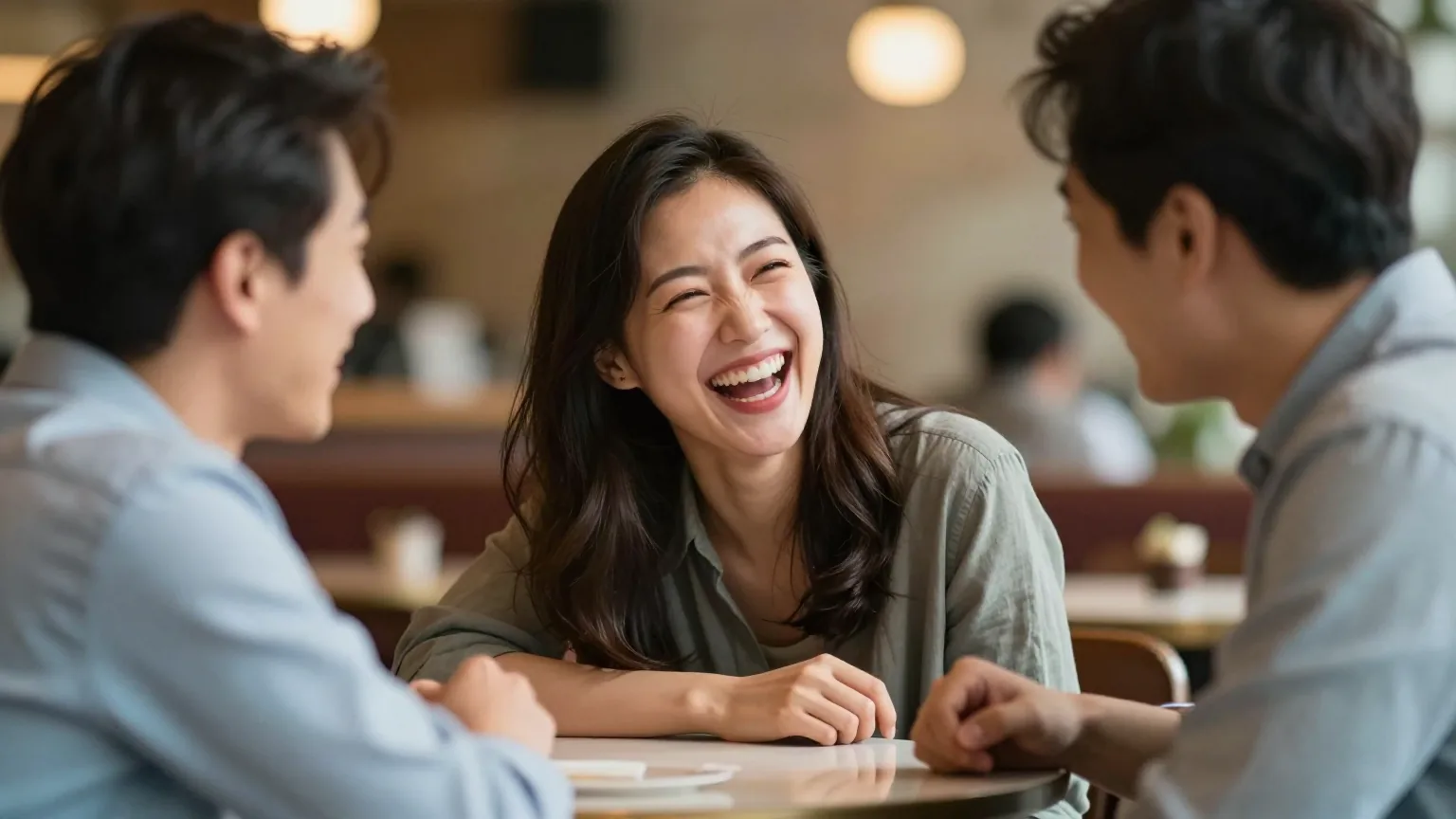
So, what actually works? What separates the dates that lead to a second meeting from the ones that end with a polite nod and a walk to the bar? I’ve broken down my findings into a survival guide. Whether you are a seasoned dater or someone who is terrified of the concept, here is the truth about finding connection in a world that is moving too fast.
The Myth of the "Perfect" First Impression
We are all conditioned to believe that first impressions are everything. In the corporate world, maybe. In speed dating, first impressions are actually a trap. The goal of the first three minutes is not to convince the other person that you are perfect. It is to establish that you are safe, interesting, and worth a second conversation. When I tried to be "impressive" in my first ten dates, I felt stiff and performative. The other person could feel the effort, and it created distance.
Instead, I shifted my mindset to curiosity. I stopped trying to sell myself and started trying to understand the person in front of me. This small shift changed the dynamic entirely. When you are curious, you are listening. And when you are listening, the other person feels seen. In a high-pressure environment like speed dating, making someone feel seen is the most attractive thing you can do. It breaks the ice faster than any witty one-liner ever could.
The Power of the "Third Rail" Question
Most people stick to the safe, boring questions: "What do you do for work?" "Where are you from?" "What are your hobbies?" These questions are necessary, but they are also dead ends. They provide data, but not connection. To create a spark, you need to ask questions that touch on values, passions, or mild vulnerabilities. I call these "third rail" questions because they carry a slight current, but they don’t necessarily kill you.
Instead of asking "What do you do?", I started asking, "What is the most interesting project you are working on right now, and why does it keep you up at night?" Instead of "What do you like to do for fun?", I asked, "What is a recent experience that made you feel completely alive?" These questions invite stories. Stories are the currency of connection. When someone shares a story, they are sharing a piece of their identity. In my experience, the dates that went well were the ones where we moved past the resume and into the narrative.
Body Language: The 80% Factor
Here is a fact that might surprise you: what you say matters far less than how you say it. In speed dating, you have so little time that verbal content is secondary to physical presence. I noticed that my most successful dates were not the ones where I said the cleverest things, but the ones where I was physically present. This means eye contact, open posture, and active engagement.
Consider the "triangle method" of listening. When someone is talking, look at their left eye, then their right eye, then their mouth, and repeat. It sounds mechanical, but it signals to the brain that you are paying attention. Also, lean in slightly. Leaning in indicates interest and creates a subtle bubble of intimacy. Conversely, leaning back or checking your watch signals disinterest, even if you are nodding and smiling. In a room full of people, your body is broadcasting a signal. Make sure that signal is "I am here, and I am interested."
The Art of the Pivot: Handling Awkwardness
Let’s be real: some dates are awkward. Some people are boring. Some people are rude. Some people have strong cologne that overwhelms the room. In a traditional date, you can escape by pretending your phone rang. In speed dating, you are trapped for three minutes. The key to surviving the awkward date is the "Pivot."
A pivot is a gentle redirection of the conversation to a more comfortable or interesting topic. If the other person is monologuing about their car’s engine, you don’t have to pretend you care. You can simply say, "Wow, that sounds like a serious passion. Do you ever take it out on the weekends? I’m more of a hiker, but I love when people have a deep dive into a hobby." You have acknowledged their interest without joining the conversation, and then you steered the ship back to safer waters. This technique saved me from several hours of misery and allowed me to keep my energy for the next person.
Why "Vulnerability" Is Your Best Friend
There is a popular belief that you should keep your guard up on the first date. In speed dating, this is a mistake. You do not have time to build a fortress. You have time to build a bridge. Vulnerability, in this context, does not mean sharing your deepest trauma. It means sharing your imperfections, your weird hobbies, or your honest opinions.
I found that admitting to being a bit of a homebody, or that I am terrible at cooking, or that I have a strange obsession with 80s sci-fi, made me more likable. Why? Because it is relatable. Perfection is intimidating. Imperfection is inviting. When you show a small crack in the armor, the other person feels safe to do the same. This mutual lowering of defenses is what creates genuine rapport. It turns the interaction from an interview into a conversation.
The Logistics: Choosing the Right Venue
Not all speed dating events are created equal. The venue matters more than you might think. I attended events in loud bars, quiet libraries, and outdoor parks. The bar setting was the most chaotic. The noise level forced people to shout, which increased stress levels and made it hard to hear nuances. The library setting was too formal; people were afraid to be expressive.
The best venues were those with a neutral, comfortable atmosphere. Coffee shops with a mix of seating, or community centers with good lighting, worked best. Why? Because the environment should support conversation, not compete with it. Also, pay attention to the format. Some events have strict timekeepers who bang a gong. Others are more fluid. I preferred the fluid ones because they allowed for natural transitions. If the conversation was flowing, I didn’t want to be cut off. If it was dead, I wanted to move on quickly. The best speed dating organizers understand this balance.
Handling the "No": Grace and Dignity

Let’s address the elephant in the room: rejection. In speed dating, rejection is constant. It is not personal, but it can still sting. The key is to decouple your self-worth from the outcome. If you do not click, it is not a failure. It is simply a mismatch. I learned to treat every "no" as a data point, not a verdict.
When the bell rings and the person does not raise their hand, I simply smile, say "It was nice to meet you," and move on. I do not dwell. I do not analyze. I do not check if they are looking at me. This mental discipline is crucial. If you spend your energy on the rejection, you will not have any energy left for the next potential match. Treat the "no" as a door closing so that you can focus on the next door opening. This mindset shift made the entire experience less stressful and more enjoyable.
Post-Event Strategy: The Follow-Up
Many people think the event is over when the last bell rings. Wrong. The real work begins after you leave. Most speed dating events provide a list of matches. If you have a match, you need to act fast. Momentum is everything. If you wait three days to send a message, the spark will die. I recommend sending a message within 24 hours.
Keep it simple. Reference something specific from your conversation. "Hey, it was great meeting you at the event. I was thinking about that book you recommended. I’ve been meaning to read it." This shows you were listening and you are interested. Do not send a generic "Hi, how are you?" It is forgettable. Be specific. Be brief. And then, ask for a date. Do not leave it hanging. "Would you like to grab coffee this week?" is clear and direct. In a world of vague texting, clarity is a superpower.
The Cultural Context: Why Speed Dating Still Exists
It is interesting to consider why speed dating has persisted for decades. It is a response to the isolation of modern life. We live in a world where we are hyper-connected digitally but often disconnected physically. Speed dating is a forced socialization event. It is a reminder that human connection requires proximity and time. Historically, courtship was a long, slow process involving family and community. Speed dating is the modern, accelerated version of that. It is a way to bypass the slow burn and get to the core of compatibility quickly.
In many cultures, the concept of "shidduch" or arranged introductions still exists, but speed dating is the secular, democratic version of that. It puts the power in the hands of the individuals. It is a meritocracy of charisma and compatibility. And while it may seem superficial, it is actually a very efficient way to filter out the incompatible and find the potential. It is a survival mechanism for the modern single person.
Modern Applications: Beyond Romance
Here is a fun fact: the principles of speed dating are not just for romance. They are being applied in professional networking, business matchmaking, and even community building. The concept of "rapid rapport" is valuable in any context where you need to build trust quickly. If you can apply the skills I learned in my 50 dates—active listening, curiosity, body language awareness, and graceful handling of mismatch—you can improve your professional life significantly.
Think about your next networking event. Instead of handing out business cards, try to have a three-minute conversation that feels like a date. Be curious. Be present. Be vulnerable. You will find that people remember the human connection long after they have forgotten your job title. The skills transfer. The empathy transfers. The ability to read a room transfers. Speed dating is a masterclass in human interaction, whether or not you are looking for a partner.
Common Mistakes to Avoid
Based on my 50 dates, here are the top mistakes I saw (and made):
- Phone Checking: Never, ever check your phone. It is the ultimate sign of disinterest. Put it in your pocket or on the table face down. Your presence is the gift you are giving.
- Over-Talking: You do not need to fill every silence. Silence can be comfortable. It allows the other person to think and respond. If you are talking constantly, you are not listening.
- Being Negative: Do not complain about your job, your ex, or the weather. Positivity is magnetic. Negativity is repulsive. Even if you are having a bad day, leave it at the door.
- Trying Too Hard: If you are trying to be funny, you are not. If you are trying to be impressive, you are not. Just be yourself. Authenticity is the only strategy that works long-term.
Avoiding these mistakes is easier said than done, but it is worth the effort. The more you relax, the more attractive you become. The more you try, the more awkward you look. Let go of the need to perform and embrace the need to connect.
Conclusion: The Value of the Try
After 50 speed dates, I did not find "the one." But I found something better: I found confidence. I found the ability to connect with strangers in a matter of minutes. I found the joy of genuine conversation. I found the peace of knowing that rejection is not the end of the world, but just a part of the process.
Speed dating is not a magic bullet. It is a tool. And like any tool, it is only as good as the person using it. If you go in with the right mindset—curious, open, and present—you will have a great time, regardless of the outcome. And if you do find a match, you will have a foundation built on real interaction, not just digital pixels.
So, what is your next move? Are you going to keep scrolling, or are you going to put on your best shirt, head to the local event, and see what happens? The world is full of interesting people. You just have to go meet them. I challenge you to sign up for one speed dating event. Just one. Go in with no expectations. Be curious. Be present. And see what happens. You might just be surprised by what you find.
The clock is ticking. The coffee is brewing. The next person is waiting. Go get them.