Stop Swiping: How Virtual Speed Dating Is Rescuing Real Romance
The modern dating landscape is often described as a paradox. We are more connected than ever before, yet many singles report feeling more isolated than in previous generations. The smartphone, once a tool for convenience, has become a source of "swipe fatigue." We spend hours scrolling through endless profiles, crafting the perfect bio, and engaging in low-effort conversations that rarely lead anywhere. It is a digital treadmill that runs but goes nowhere. But there is a counter-movement gaining momentum, one that blends the structure of old-school matchmaking with the convenience of modern technology: virtual speed dating.
This is not just a pandemic hangover; it is a sophisticated evolution of a century-old concept. By moving the interaction from the infinite scroll of an app to a structured, time-boxed video chat, we are reclaiming the essence of romance. We are trading the anxiety of the unknown for the efficiency of the known. This post explores how this hybrid model is saving us from the digital void, why it works, and how you can host or join one to find the connection you have been missing.
The Historical Roots of Rapid Romance
To understand why virtual speed dating is such a powerful tool, we must look back at its origins. Speed dating is not a new invention born out of a screen addiction; it is a formalized matchmaking process designed to encourage eligible singles to meet new potential partners in a very short period of time [1]. The concept has roots in various cultures, including the "blind date" traditions of the early 20th century and the structured introductions seen in some religious communities. However, the modern iteration of speed dating was formalized in the late 20th century, providing a safe, social environment for meeting multiple people at once.
The core philosophy has always been the same: reduce the barrier to entry. By breaking a long date down into five or ten-minute segments, you remove the pressure of having to sustain a conversation for hours. You are not committing to a dinner; you are committing to a snapshot. This structure allows for a high volume of interactions, increasing the statistical probability of finding a compatible match. Today, that structure is being applied to the virtual realm, preserving the intent while adapting the method.
The Swipe Fatigue Epidemic
Let’s be honest: swiping is exhausting. The dominance of algorithmic dating apps has created a market where attention is the currency, and scarcity is manufactured. You can chat with someone online for weeks, only to find out you have zero chemistry when you finally meet them in person [5]. This disconnect is the primary driver of modern dating dissatisfaction. The text-based or voice-note interactions of app dating fail to capture the nuances of human connection—tone, body language, micro-expressions, and the "spark" that often happens in the first few seconds of eye contact.
Speed dating, whether in person or virtual, solves this by prioritizing face-to-face (or face-to-screen) interaction over profile metrics. It helps you quickly determine chemistry, which is something that is notoriously difficult to gauge through a text message [5]. By forcing the interaction into a real-time, synchronous format, you bypass the "ghosting" phase and the endless back-and-forth that often leads nowhere. It is a reset button for your dating brain.
What Is Virtual Speed Dating?
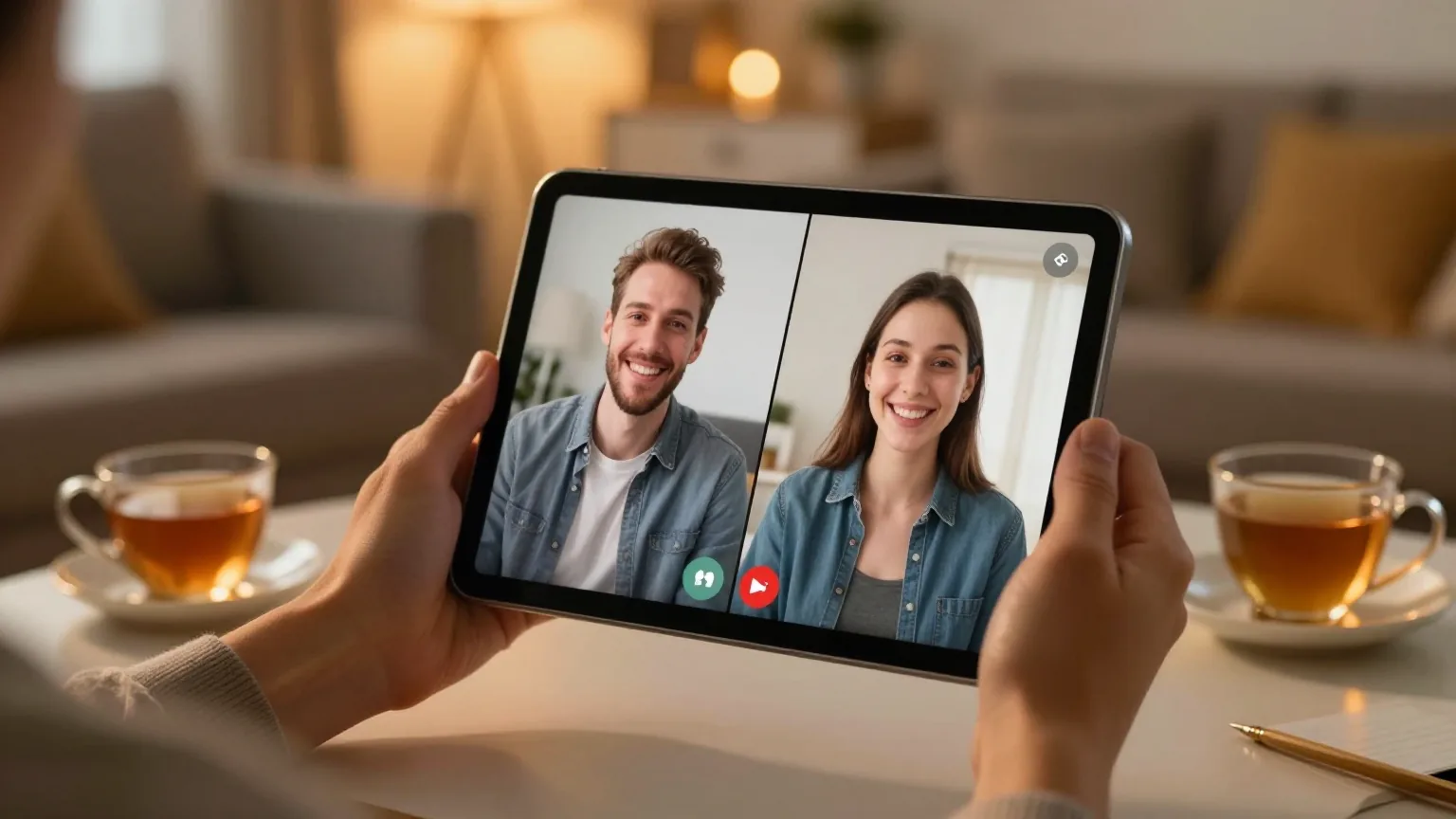
Virtual speed dating is essentially the same format as traditional in-person speed dating, but conducted via video conferencing platforms. Instead of a room full of tables and a rotating schedule, you are placed in a series of one-on-one video chats. Each chat lasts a set amount of time—usually between five and ten minutes—and when the timer goes off, you are automatically moved to the next participant. This is often facilitated by specialized apps or platforms that handle the scheduling, the timer, and the matching process [2].
The beauty of this format is that it mimics the rhythm of a physical event without the logistical hurdles. You do not need to travel to a specific venue, dress up for a crowded bar, or navigate the social anxiety of being surrounded by strangers. You can participate from the comfort of your living room, wearing your most comfortable yet presentable clothes. The structure remains rigorous, but the environment is controlled and low-pressure.
The Psychology of the Time Box
Why does the time limit work? Psychologically, the "time box" creates a sense of urgency and scarcity that heightens focus. In a long, unstructured date, it is easy to drift, get distracted, or hide behind small talk. In a five-minute window, you must be intentional. You have to ask the right questions and listen actively. This intensity can actually accelerate the bonding process. Research suggests that shared novelty and brief, intense interactions can lead to stronger feelings of attraction than prolonged, mundane conversations.
Furthermore, the time limit reduces the fear of rejection. If you do not click with someone, the "pain" of the rejection is diluted because the interaction was brief and impersonal. You are not saying "no" to a person you have spent three hours with; you are simply moving on to the next potential match. This lowers the emotional stakes and allows participants to be more open and authentic, rather than trying to "perform" a perfect date.
Breaking Down the Stigma of Online Dating
One of the biggest criticisms of online dating is that it feels "fake." The virtual speed dating format helps bridge the gap between the digital and the physical by emphasizing real-time interaction. Unlike text-based apps, where you can hide behind carefully crafted messages, video calls require you to be present. You cannot ignore a call. You cannot take three days to reply. You have to show up, look at the camera, and engage.
This authenticity is a major draw for singles who are tired of the superficiality of profile photos. In a virtual speed date, you see the person as they are. You hear their voice. You see their reactions. This provides a much more accurate picture of compatibility than a static image ever could. It is a "try before you buy" experience that respects your time and energy.
How to Host a Successful Virtual Event
If you are looking to organize a virtual speed dating event, whether for a community group, a corporate mixer, or a local singles club, there is a clear playbook for success. The key is to streamline the user experience. According to recent guides on hosting these events, the format, venue (digital platform), timing, and app choice are critical [2].
First, choose the right platform. You need a tool that can automatically rotate participants through video chats. While you can hack together a solution with Zoom and a spreadsheet, dedicated apps are far superior because they handle the logistics for you. These platforms often include features like "interest" cards, where participants can indicate after each round whether they would like to see the other person again. This data is then used to generate a match list after the event.
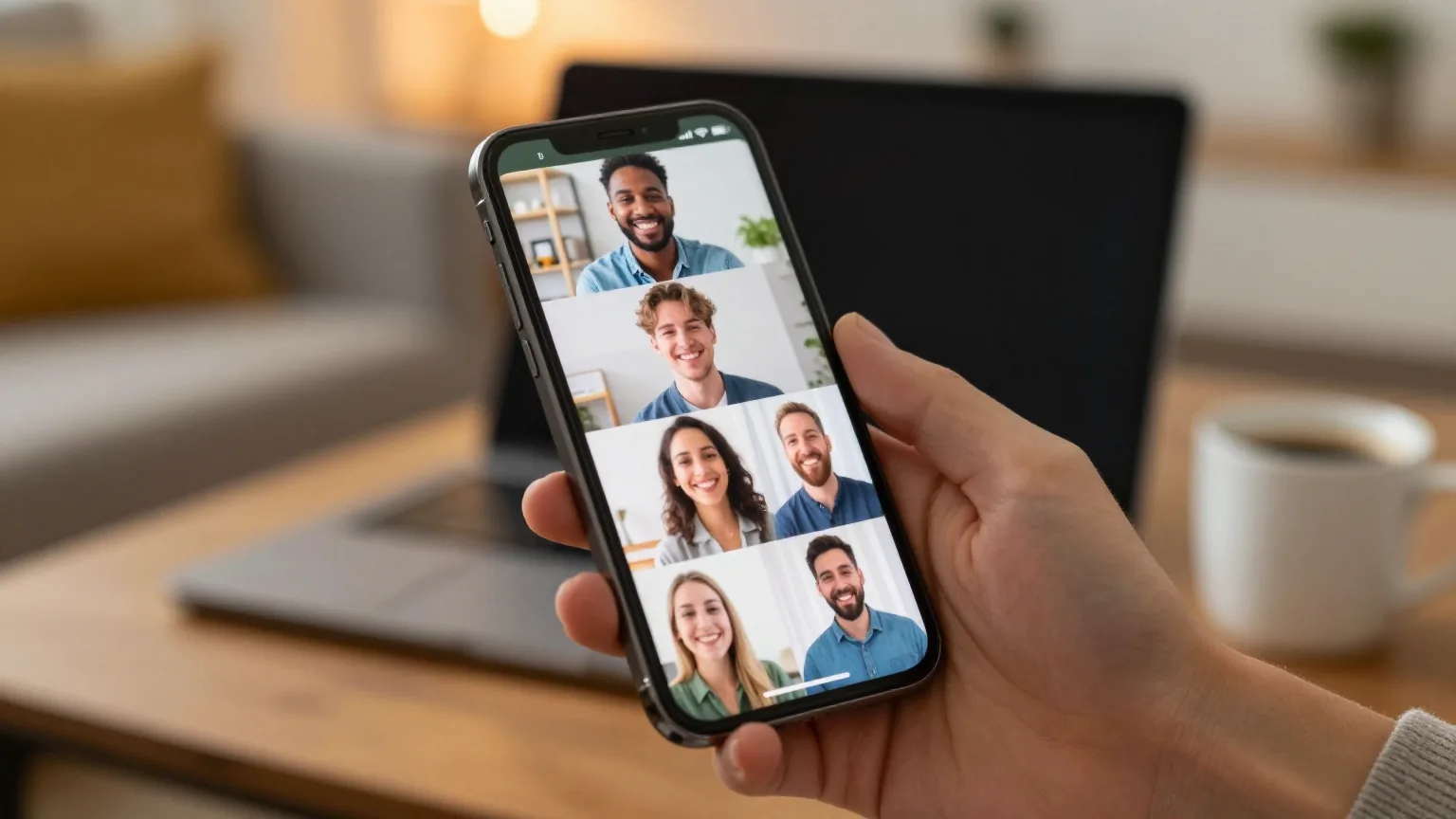
Second, keep the event duration manageable. A typical virtual speed dating event lasts between one and two hours. This is long enough to meet 10 to 15 people but short enough to avoid fatigue. You want participants to be engaged, not exhausted. Third, provide clear instructions. Many people are not comfortable with video conferencing for dating. Send out a pre-event guide with tips on lighting, background, and how the timer works. The more prepared they are, the more relaxed they will be.
Structuring the Rounds: The Art of the Prompt
One of the challenges of virtual speed dating is that you do not have the shared environment of a bar or a park. In a physical event, you can talk about the music, the food, or the crowd. In a video call, you have nothing but the screen. This is where prompts come in. To prevent awkward silences, many hosts provide a list of conversation starters or "icebreaker" questions for each round.
For example, Round 1 might be "What is the best trip you have ever taken?" Round 2 might be "What is a skill you have always wanted to learn?" These prompts serve two purposes. First, they lower the barrier to entry for shy participants. Second, they help participants learn substantive things about each other quickly. Avoid yes/no questions. Ask for stories. Ask for opinions. The goal is to find a thread of conversation that could potentially lead to a longer date.
The "Interest Card" and Matching Logic
After each five-minute round, participants are usually given 30 seconds to log their interest. This is a simple binary choice: "Yes, I’d like to see them again" or "No, move on." This data is crucial. At the end of the event, the platform cross-references the interests. If Person A liked Person B, and Person B liked Person A, it is a match. The platform then shares the contact details (usually email or phone number) of the matched pairs.
This system is efficient because it filters out the noise. You do not have to send a message to someone who is not interested in you. You do not have to wonder if the person you liked liked you back. The algorithm does the heavy lifting. This is a significant improvement over app-based dating, where the matching process is often opaque and driven by engagement metrics rather than mutual interest.
Virtual vs. In-Person: A Comparative Analysis
Is virtual speed dating better than in-person? The answer is: it depends on your context. In-person events have the advantage of physical presence. You can feel the chemistry in a way that is hard to replicate through a screen. The shared physical space creates a sense of community and safety. However, in-person events have high barriers to entry. They require travel, time off work, and often a fee. They are also limited by geography. You can only meet people who are in the same city as you.
Virtual speed dating removes these barriers. You can meet someone from another city, or even another country, with the same ease as meeting a neighbor. This is particularly beneficial for people in rural areas, people with mobility issues, or people who work remote jobs. It also allows for niche events. You can host a virtual speed dating event specifically for "book lovers," "tech professionals," or "vegan singles" without needing a large enough local pool to fill a physical room. The flexibility of the virtual format allows for a wider variety of experiences.
Tips for Success as a Participant
If you are planning to attend a virtual speed dating event, here are some tips to maximize your chances of success:
- Set the Stage: Ensure you have good lighting and a quiet background. You want to look approachable and professional. A cluttered background can be distracting and unprofessional.
- Be Present: Put your phone away. Close your other browser tabs. Treat each round as a real date. Give your full attention to the person on the screen.
- Ask Open-Ended Questions: Avoid questions that can be answered with a "yes" or "no." Instead, ask "What do you do in your free time?" or "What are you looking forward to this year?"
- Listen Actively: The goal is not to impress; it is to connect. Listen to what they are saying and build on it. Show genuine interest in their answers.
- Be Honest with Your Interest Cards: Do not mark someone as "interested" just to be polite. If you do not see a potential connection, move on. Your honesty helps the algorithm provide better matches for everyone.
The Future of Hybrid Romance
As we look toward the future, it is clear that virtual speed dating is not a temporary solution but a permanent fixture in the dating landscape. The lines between digital and physical interaction are blurring. We are comfortable with video calls. We are comfortable with digital matchmaking. The next step will likely be even more integrated. Imagine a world where virtual speed dating is embedded directly into social media platforms, or where augmented reality (AR) glasses allow you to "meet" someone in a virtual space that feels more immersive than a flat video screen.
There is also a growing trend toward "hybrid" events, where a virtual event is paired with a local in-person follow-up. This allows you to screen for compatibility virtually before committing to a physical date. This reduces the risk and increases the efficiency of the dating process. It is a win-win for both parties.
Conclusion: Reclaiming the Joy of Meeting
Virtual speed dating is not just a tool; it is a philosophy. It is a recognition that romance should be efficient, respectful, and authentic. It is a rejection of the endless, draining cycle of swiping and ghosting. It is a return to the basics: meeting someone, having a conversation, and deciding if there is a spark. By leveraging the structure of speed dating and the convenience of virtual technology, we are creating a new paradigm for finding love.
The next time you feel overwhelmed by the digital dating landscape, consider stepping away from the infinite scroll. Look for a virtual speed dating event in your area. Sign up. Prepare your space. And when the timer goes off, remember: you are not just clicking a button. You are opening a door to a real human connection. Stop swiping. Start meeting. The person you are looking for might be just five minutes away.
Ready to try it out? Search for "virtual speed dating" in your city and book your spot today. Your next great story might start with a five-minute video call.