Speed Dating in 2026: The Complete Playbook to Host It Right
Speed Dating in 2026: The Complete Playbook to Host It Right
Imagine standing in a room full of single people, all holding their breath, hoping that in the next three minutes, they will find the person who changes their life. Now imagine doing that for thirty different people in one evening. It sounds like a scene from a romantic comedy, but for many singles in 2026, it is a practical, albeit intense, strategy for meeting potential partners in a world that has become increasingly digital and isolated. The goal, as one organizer put it, is simple: "Make meeting people in real life cool again!" [2].
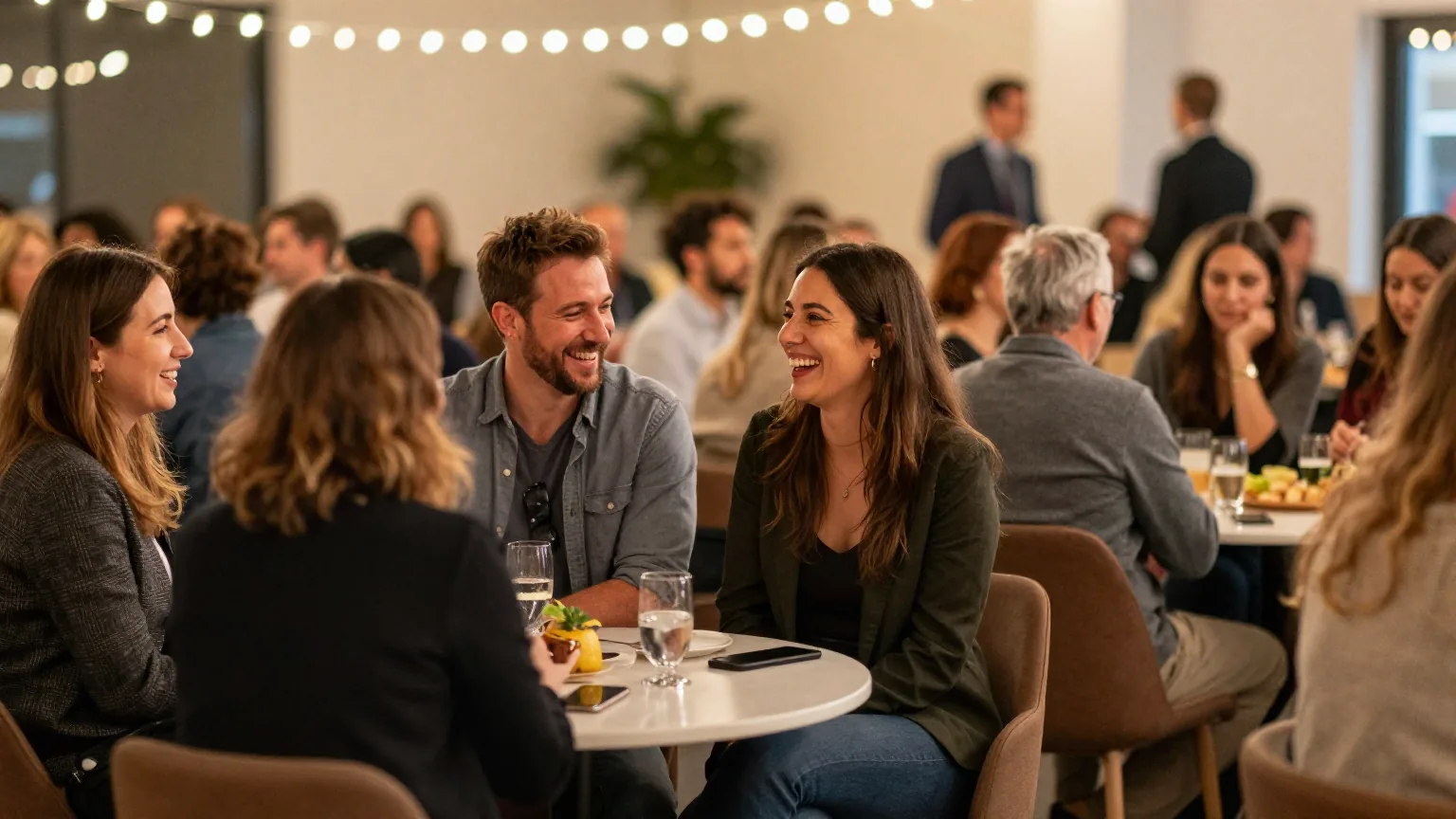
While the concept of speed dating is not new, the landscape has shifted dramatically over the last few years. We have moved beyond the awkward "lock and key" scenarios of the early 2000s to a more nuanced, tech-integrated, and culturally aware approach. Today, hosting a speed dating event is less about just throwing a party and more about curating an experience that balances efficiency with genuine human connection. Whether you are a professional event planner, a community organizer, or a curious individual looking to host a mixer for friends, understanding the mechanics, the psychology, and the logistics of 2026 is essential. This playbook will guide you through the complete process, from venue selection to post-event follow-up, ensuring that your event is not just a social gathering, but a meaningful opportunity for connection.
The Evolution of the Format: From Chaos to Curated Connection
To understand where we are in 2026, we must look at how we got here. Speed dating has evolved from a chaotic, often stressful ordeal into a structured, almost scientific process of introduction. In the early days, the format was rudimentary: men and women sat in rows, a bell rang, and they switched seats. It was efficient, but it lacked depth. Today, the best events incorporate a mix of formats, including traditional speed dating, mixers, and even "lock and key" events where participants are paired in small groups for slightly longer conversations [1].
This evolution reflects a broader shift in how singles view dating. People are no longer just looking for a quick fling; they are looking for compatibility, shared values, and genuine interest. The modern speed dating event is designed to facilitate these deeper connections by allowing for more natural conversation flow. For example, some organizers now use "round-robin" systems where the pace is slightly slower, giving participants more time to actually remember what the person across from them said. This shift acknowledges that while speed is the name of the game, depth is the goal.
Why 2026 is the Year for Real-Life Meetings
Despite the advancements in dating apps, many singles are experiencing "app fatigue." The endless swiping, the ghosting, and the superficiality of profile pictures have led to a desire for more authentic interactions. This is where speed dating shines. It forces you to meet people in real life, stripping away the curated digital personas that often misrepresent who someone truly is [2].
In 2026, the stigma around speed dating has also faded. It is no longer seen as a last resort for the "desperate," but rather as a smart, efficient way to expand one's social circle. Many professionals, who are too busy to spend hours on dating apps, find that a two-hour speed dating event is a more time-effective use of their evening. It allows them to meet a dozen or more people in the time it would take to go on one or two traditional dates. This efficiency is a major draw, particularly for those in high-pressure careers who value their time and energy.
Choosing the Right Venue: Setting the Tone
The venue you choose sets the tone for the entire event. In 2026, the best speed dating venues are those that encourage conversation rather than distracting from it. A quiet, dimly lit bar might seem like a good choice, but the noise levels can make it difficult for participants to hear each other, especially when the bell rings and people are switching seats. Instead, look for venues with a mix of open spaces and cozy corners. A community center, a hotel lobby, or a dedicated event space with good acoustics is often the best choice.
Consider the layout carefully. You want to create a "dance floor" effect where people can easily move from one table to the next. Avoid venues with narrow aisles or heavy traffic flow, as this can lead to bottlenecks and frustration. The space should feel welcoming and relaxed, not like a corporate meeting or a high-pressure interview. Decorate the space with warm lighting and comfortable seating to create an atmosphere that encourages openness and vulnerability.
Timing is Everything: The Perfect Window
When you host a speed dating event matters just as much as where. In 2026, the most popular times for speed dating are Thursday and Friday evenings, between 7:00 PM and 9:30 PM. This timing allows participants to get ready, travel to the venue, and engage in the event without feeling rushed. Avoid hosting events on weekends, as many singles are already busy with social plans or work overtime. Mid-week evenings can also be effective, particularly for professionals who are looking for a change of pace from their workweek.
The duration of the event is also critical. A typical speed dating event lasts between two and three hours. This includes a 30-minute check-in and introduction period, followed by 8 to 10 rounds of speed dating, with each round lasting 3 to 5 minutes. Finally, allow 30 minutes for participants to fill out their preference cards and for the organizers to process the data. Do not rush this process. The post-event follow-up is where the magic happens, and participants need time to reflect on their connections.
The Technology Behind the Magic
One of the biggest changes in speed dating in 2026 is the integration of technology. While the core of the event is human interaction, the backend is increasingly digital. Many organizers now use dedicated apps or online platforms to manage registrations, seating charts, and preference matching [1]. These tools not only streamline the process for the host but also enhance the experience for the participants.
For example, some platforms allow participants to create a brief profile before the event, which is displayed on their name tag or on a digital screen at their table. This gives participants a starting point for conversation and helps them learn a bit about each other before they sit down. After the event, the platform automatically matches participants who have indicated mutual interest and sends them a notification with each other's contact information. This eliminates the awkwardness of asking for someone's number and ensures that no one misses out on a potential connection.
Additionally, some organizers are experimenting with virtual speed dating, where participants join via video call from their homes. While this is not a replacement for in-person events, it offers a convenient option for those who are unable to travel to a physical venue. Virtual events can be a great way to reach a wider audience and to provide a low-pressure environment for those who are shy or introverted [3].
Designing the Rounds: Structure and Flow
The structure of the speed dating rounds is the heart of the event. In 2026, the most effective format is a "round-robin" system where one gender (or group) remains seated while the other rotates to new tables after each round. This minimizes the confusion and chaos that can occur when everyone tries to move at the same time. The standard round length is 3 to 5 minutes, with a 1-minute break between rounds to allow participants to catch their breath and review their notes.
During each round, participants are encouraged to ask open-ended questions and to listen actively. To help with this, many organizers provide conversation prompts or "icebreaker" cards that participants can use to start the conversation. These prompts can range from lighthearted questions like "What’s the best meal you’ve ever had?" to deeper questions like "What’s a value you think is important in a relationship?" The key is to keep the conversation flowing and to avoid small talk that goes nowhere.
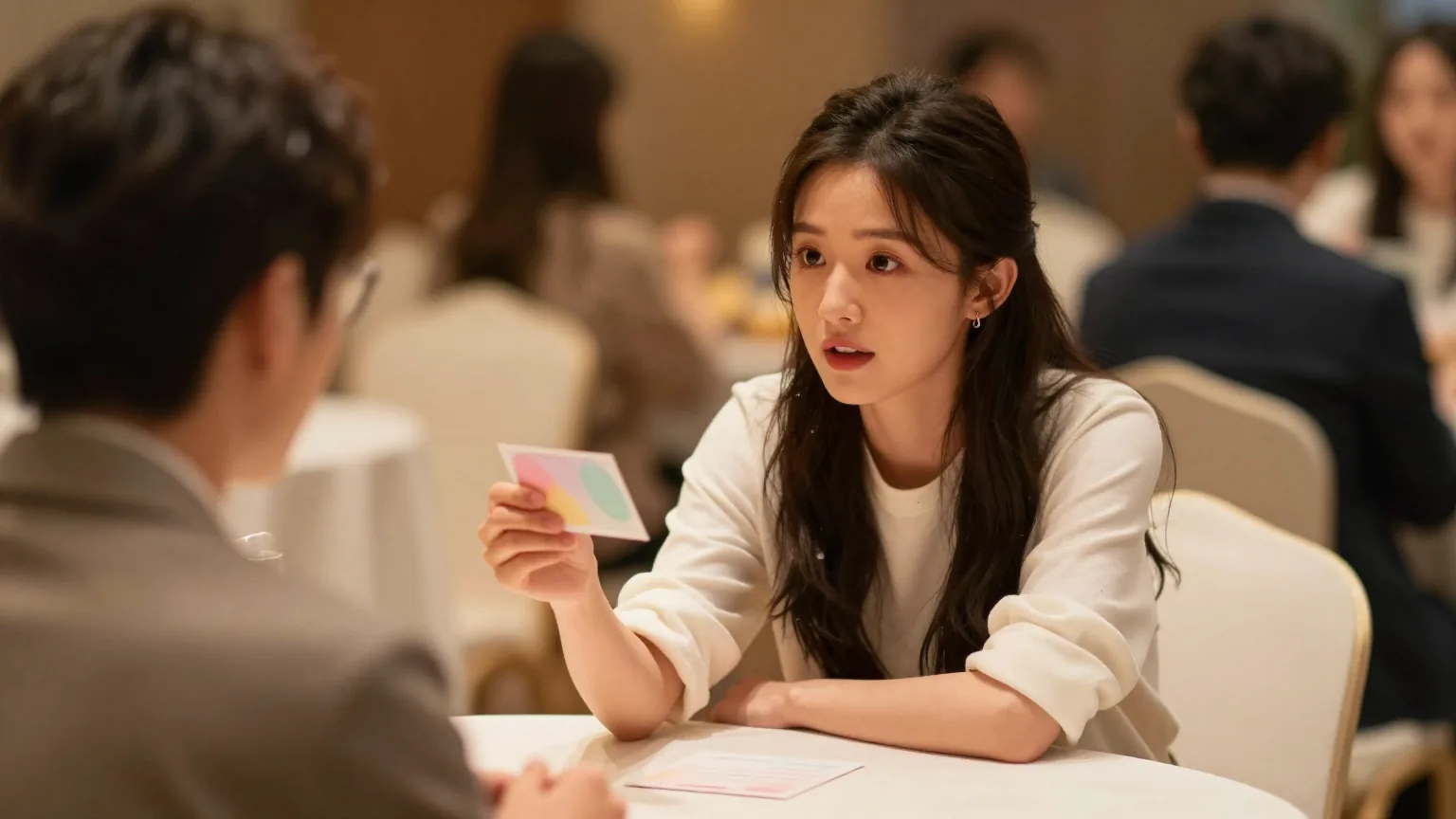
It is also important to establish clear rules for the event. For example, participants should be reminded to be respectful and to treat everyone with dignity, regardless of their appearance or background. They should also be reminded to fill out their preference cards accurately and honestly, as this is the only way they will be matched with someone who is interested in them. Remind them that the goal is not to "win" the event, but to find a genuine connection.
Handling the Psychology: Overcoming Anxiety
Speed dating can be an anxiety-inducing experience for many people. The pressure to make a good impression, the fear of rejection, and the uncertainty of not knowing what to say can all contribute to stress. As a host, it is important to create an environment that reduces this anxiety and encourages participants to be themselves. Start the event with a brief introduction that explains the format, the rules, and the goals of the event. Reassure participants that it is okay to be nervous and that everyone is in the same boat.
Encourage participants to focus on being curious and interested in the person across from them, rather than on how they are being perceived. Remind them that the goal is to have a fun and engaging conversation, not to "sell" themselves. You can also provide a "safety net" by letting participants know that they can take a break or step out of the room if they feel overwhelmed. This simple gesture can go a long way in making the event feel more welcoming and less intimidating.
The Role of the Host: More Than Just a Bouncer
The host of a speed dating event plays a crucial role in setting the tone and ensuring that the event runs smoothly. In 2026, the best hosts are not just event coordinators, but also facilitators and mediators. They should be approachable, friendly, and knowledgeable about the event. They should be available to answer questions, resolve conflicts, and provide support to participants who may be feeling uncomfortable or anxious.
Before the event starts, the host should walk the venue to ensure that everything is in order. They should check the sound system, the lighting, and the seating arrangement. They should also have a team of volunteers or staff on hand to help with check-in, to monitor the rounds, and to assist with any technical issues. During the event, the host should circulate the room to observe the interactions and to ensure that the participants are following the rules. They should be ready to intervene if any conflicts arise or if any participants are being disrespectful or disruptive.
Post-Event Follow-Up: The Key to Success
The success of a speed dating event is not measured by the number of people who attend, but by the number of connections that are made. This is where the post-event follow-up comes in. After the event, the organizers should process the preference cards and match participants who have indicated mutual interest. This process should be done quickly and efficiently, ideally within 24 to 48 hours of the event. Participants should be notified of their matches via email or through the platform they used to register.
When notifying participants of their matches, it is important to provide them with the necessary information to get in touch. This includes the name, contact information, and a brief bio of the person they are matched with. You can also include a suggestion for a first date, such as a coffee or a walk in the park. This helps to reduce the anxiety of the first interaction and gives participants a starting point for their conversation.
It is also important to follow up with participants who did not get a match. Let them know that they can sign up for the next event and that they can add their profile to the database for future matching. This helps to keep them engaged and interested in the process, even if they did not find a connection at the first event. You can also send them a survey to get their feedback on the event and to let them know what they liked and what could be improved.
Specialty Events: Niche Speed Dating
In 2026, the trend is moving towards niche speed dating events. Instead of hosting general events for all singles, organizers are creating events for specific groups, such as professionals, creatives, outdoor enthusiasts, or people with specific interests. This allows participants to connect with people who share their values, hobbies, and lifestyle, increasing the likelihood of a successful match.
For example, a "Tech Professionals" speed dating event might be held at a co-working space, with conversation prompts related to technology and innovation. An "Outdoor Enthusiasts" event might be held at a park or a hiking trail, with participants meeting at different points along the trail. These niche events not only make the event more fun and engaging, but they also help to create a sense of community and belonging among the participants.
Corporate networking events are another area where speed dating is being applied. Many companies are using speed dating formats to help employees network and build relationships with each other. These events are often held during lunch breaks or after work, and they are designed to be low-pressure and fun. By using the speed dating format, companies can help to break down barriers between departments and to foster a more collaborative and inclusive work environment [3].
Common Mistakes to Avoid
Even with the best intentions, hosts can make mistakes that can ruin the experience for participants. One of the most common mistakes is overbooking the event. If the venue is too crowded, it can lead to long lines, noise, and a lack of privacy. It is better to underbook the event and to have a waitlist than to overbook it and to turn people away. Another common mistake is poor communication. Participants should be given clear instructions on how to get to the venue, what to wear, and what to expect at the event. Any ambiguity can lead to confusion and frustration.
Another mistake is failing to enforce the rules. If some participants are not following the rules, such as talking to people they are not paired with or being disrespectful, it can ruin the experience for everyone. The host should be firm but fair in enforcing the rules and should be ready to remove participants who are being disruptive. Finally, do not underestimate the importance of the post-event follow-up. If you do not notify participants of their matches in a timely manner, you will lose their trust and they will be less likely to attend future events.
Conclusion: Making Real Life Cool Again
Speed dating in 2026 is more than just a way to meet potential partners; it is a way to reconnect with the real world. In a time when digital interactions dominate our lives, the opportunity to meet someone face-to-face, to look them in the eye, and to have a genuine conversation is a gift. By following this playbook, you can host an event that is not only fun and engaging, but also meaningful and impactful.
Whether you are hosting a small mixer for friends or a large-scale event for hundreds of singles, the key is to focus on the human element. Create an environment that is welcoming, respectful, and conducive to connection. Use technology to enhance the experience, but do not let it replace the human interaction. And most importantly, remember that the goal is not just to find a date, but to find a connection. So, clear your calendar, invite your friends, and get ready to make meeting people in real life cool again [2]. The next great love story might be just three minutes away.
Sources
- Speed Dating Singles Events by Pre-Dating - Largest Speed Dating...
- Speed Dating 2026 by Happy Hour Speed Dating | Eventbrite
- Event Speed Dating 2026: How to Host a Speed Dating... - Fotify Blog
- The ugly truth of speed dating events REVEALED! - YouTube
- speed dating: Latest News & Videos, Photos about speed dating ...