Speed Dating in 2026: The Complete Host’s Playbook
The Modern Matchmaker’s Guide: Why 2026 is the Year Speed Dating Finally Works
Let’s be honest: the modern dating landscape in 2026 feels less like a romantic adventure and more like a high-stakes data entry job. We swipe left, we swipe right, we match, we ghost, and we repeat. It’s a cycle that often leaves us feeling more exhausted than connected. But there is a counter-trend surging through the cultural consciousness, and it’s not an app. It’s the speed dating event.
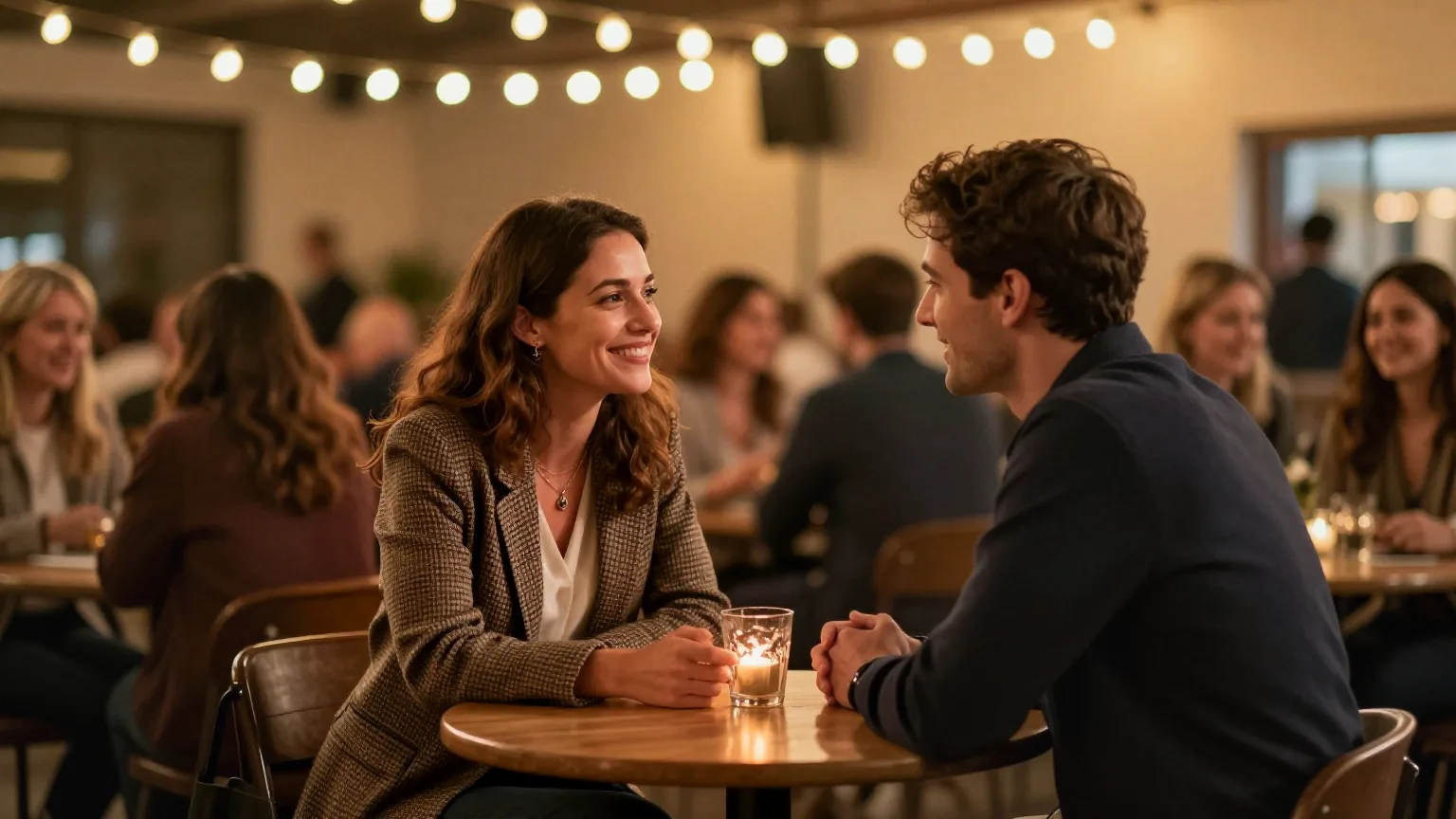
For decades, speed dating was dismissed as a desperate last resort for the socially awkward or the chronically single. Today, however, it has evolved into a sophisticated, high-energy social phenomenon that bridges the gap between digital isolation and genuine human connection. Whether you are a professional looking to expand your network, a couple’s friend trying to find their best friend a partner, or simply someone tired of the "algorithmic soulmate" myth, understanding the mechanics of speed dating in 2026 is essential.
Speed dating is, at its core, a formalized matchmaking process designed to encourage eligible singles to meet new potential partners in a very short period of time, allowing interested pairs to continue meeting after the event [1]. But in 2026, the definition has broadened. It’s no longer just about finding a date; it’s about breaking the ice in a safe, structured environment where the pressure to "perform" is replaced by the opportunity to "connect." This playbook is your complete guide to understanding, hosting, and participating in the modern speed dating experience.
The Historical Arc: From Desperation to Design
To appreciate where speed dating is today, we have to look at where it came from. The concept wasn’t born in the era of Instagram or Tinder. It emerged in the late 1990s and early 2000s, a time when the internet was just becoming a dominant force in social life. Early iterations were often chaotic, held in church basements or community centers, and relied heavily on word-of-mouth marketing. The premise was simple: if you meet 10 people in 10 minutes, you’re more likely to find a spark than if you spend three months texting one person who never actually shows up.
Over the last two decades, the industry has matured. What started as a niche activity for the "hard to place" has become a mainstream social ritual. Companies like Pre-Dating have been instrumental in this shift, claiming to be the world’s largest speed dating service, with monthly events in over 90 cities for over 15 years and more than 5 million dates facilitated [3]. This longevity proves that the model works. It’s not a fad; it’s a fundamental human need for face-to-face interaction that digital tools simply cannot replicate. The history of speed dating is a testament to the fact that humans are social animals, and when technology gets too cold, we crave warmth.
The Anatomy of a Modern Speed Dating Event
Walking into a speed dating event in 2026 is a different experience than it was in 2005. The "complete playbook" for hosting these events has become highly refined, focusing on user experience (UX) as much as matchmaking. A well-structured event typically follows a rigorous timeline. Participants arrive, check in, and receive a scorecard or a digital prompt. The venue is usually divided into two sections: one for the "rotating" side and one for the "stationary" side. Depending on the format, one group rotates every 5 to 10 minutes, while the other stays put.
The environment is crucial. It’s not a bar where the goal is to get drunk and make bad decisions. It’s a curated space designed for conversation. The lighting is warm, the music is ambient but not distracting, and the seating is arranged to encourage eye contact. In 2026, many hosts utilize technology to streamline the process. Instead of paper scorecards, participants might use a dedicated app to indicate interest, which is then matched against the other party’s response in real-time. This reduces the anxiety of "writing someone’s name down" and makes the process feel more like a game and less like a job interview.
The format itself has diversified. While the classic "men on one side, women on the other" model still exists, 2026 has seen a rise in inclusive formats. There are events specifically for LGBTQ+ singles, for different age brackets, and even for specific interest groups. For example, The Next Fun Thing in Los Angeles recently hosted a speed dating event on October 22, 2026, targeting ages 26-40 in Santa Monica, and another on October 26 in West Hollywood [4]. This specificity is key. It ensures that the participants are not just looking for "anyone," but for someone within their specific life stage and community. The more tailored the event, the higher the success rate.
The Psychology of the "Speed" Component
Why does it work? Why does a 5-minute conversation feel more revealing than a 3-hour dinner date? The answer lies in a psychological concept known as "flow state" and the reduction of cognitive load. When you have a limited amount of time, you cannot afford to be passive. You must be present. The brevity of the interaction forces participants to focus on immediate chemistry, body language, and vocal tone, rather than trying to construct a perfect narrative about their past or future.
In a traditional date, there is a lot of "performance." You try to be the best version of yourself, hiding your quirks and insecurities. In speed dating, the performance is stripped away. You are who you are in that moment. This authenticity is what creates the spark. The "speed" aspect also creates a sense of urgency and excitement. It’s a low-stakes environment for high-stakes emotion. You can laugh, you can be awkward, you can reject someone, and you can do it all without the fear of long-term consequence. This safety net allows people to be more open and vulnerable, which is the foundation of any meaningful connection.
Virtual vs. In-Person: The Hybrid Reality of 2026
One of the most significant shifts in the last few years has been the integration of virtual speed dating into the mainstream. During the pandemic, virtual events saved the industry. Now, they have become a complementary tool rather than a replacement. For those who live in remote areas, have mobility issues, or simply prefer the comfort of their own living room, virtual speed dating offers a viable alternative. Platforms like Fotify have developed playbooks that include virtual speed dating setups, allowing hosts to run events across different time zones [2].
However, the in-person experience remains the gold standard. There is a reason why BBC News recently crashed an "in-person" speed-dating event to ask attendees about their dating habits. The physical presence of another human being triggers a cascade of neurochemical reactions that a video call simply cannot replicate. You can see the subtle smile, the shift in posture, the way someone tilts their head. These non-verbal cues are critical to assessing compatibility. In 2026, the best approach is often a hybrid one. Use virtual events to expand your pool of potential matches, and save the in-person events for the deep dive. Or, use the in-person event to make the initial connection, and follow up with a virtual date if the chemistry is strong but the distance is too great.
The key to successful virtual speed dating is the structure. Without the physical constraints of a room, participants can easily get distracted. A good virtual host uses breakout rooms, timed prompts, and interactive icebreakers to keep the energy high. The goal is to mimic the energy of the in-person event as closely as possible. If you’re hosting a virtual event, remember that the camera is your stage. Lighting, background, and audio quality matter. Treat it with the same professionalism as you would a Zoom interview, but with the warmth of a chat with a friend.
Designing the Perfect Venue and Atmosphere
If you are considering hosting a speed dating event, the venue is your first impression. It doesn’t have to be a luxury hotel, but it must be comfortable, safe, and conducive to conversation. The "complete playbook" for 2026 emphasizes the importance of sensory details. The temperature should be slightly cool, as a room full of people tends to heat up quickly. The lighting should be soft and warm, avoiding harsh fluorescent lights that can make people look tired or unflattering. The music should be instrumental and low-volume, serving as a backdrop rather than a distraction.
Seating arrangement is another critical factor. Avoid long tables that encourage rowing. Instead, use small, individual tables or chairs arranged in a circle or a grid. This ensures that every participant has a direct line of sight to their match. The distance between chairs should be close enough to encourage intimacy but far enough to respect personal space. In 2026, many hosts are also incorporating "quiet zones" where participants can take a break if they feel overwhelmed. This is a small but significant detail that shows care for the emotional well-being of the attendees.
Food and beverage are also part of the equation. While you don’t want to serve a full meal that might slow down the rotation, having access to water, light snacks, and perhaps a signature cocktail can enhance the experience. The goal is to create a festive atmosphere, not a formal dinner. Keep it simple, keep it clean, and keep it moving. The venue should feel like a party, not a job interview. If people are having fun, they are more likely to be open and receptive. If they are stressed, they are more likely to be defensive and closed off.
The Role of Technology in Modern Matchmaking
Technology is the backbone of modern speed dating. It’s not just about the apps; it’s about the data. In 2026, successful speed dating services use data analytics to improve the matchmaking process. They track which pairs are most likely to match, which age groups have the highest success rates, and which venues have the best turnout. This data allows hosts to optimize their events, ensuring that the participants are as compatible as possible before they even walk in the door.
Pre-registration is a standard requirement for most serious speed dating events [1]. This allows hosts to verify the age and intent of the participants, ensuring a safe and respectful environment. It also allows them to balance the gender ratio, which is crucial for the success of the event. An unbalanced event can lead to a poor experience for the overrepresented gender, which can damage the reputation of the service. By using registration forms, hosts can ensure that the event is fair and enjoyable for everyone.
Post-event technology is equally important. Once the event is over, the magic is in the follow-up. A good service will notify participants of their matches within 24 to 48 hours. This immediacy is key. If you wait a week to tell someone they matched with someone else, the momentum will have died. The notification should be simple, clear, and exciting. It should include the contact information of the match, if both parties have agreed to share it. This seamless transition from the event to the follow-up is what sets the professional services apart from the amateur ones.
Corporate Networking and the "Singles Mixer" Trend
One of the most interesting developments in 2026 is the application of speed dating principles to corporate networking. Companies are realizing that the same techniques used to find romantic partners can be used to find professional ones. "Corporate speed dating" or "networking mixers" are becoming increasingly popular. These events are structured similarly to romantic speed dating, with short, timed conversations, but the goal is to expand professional networks, find mentors, or even find new clients.
This trend is a testament to the versatility of the speed dating model. It’s not just about romance; it’s about connection. Whether you’re looking for a life partner or a business partner, the principles are the same: create a safe environment, reduce the pressure, and encourage authentic conversation. For companies, this is a low-cost, high-impact way to engage employees and build community. For individuals, it’s a chance to meet people outside of their usual professional circles.
There is also a rise in "wedding singles mixers," where friends of the couple are invited to meet new people. This is a great way to support a friend who is single, while also providing a social outlet for the entire group. It’s a win-win situation that combines the joy of a celebration with the opportunity for new connections. These events are often less formal than traditional speed dating, with a more relaxed atmosphere and a focus on group activities rather than one-on-one interviews. They are a great entry point for those who are new to speed dating or who are hesitant about the more structured formats.
Common Mistakes to Avoid When Hosting or Attending
Even with the best playbook, mistakes can happen. As a host, the biggest mistake is underestimating the importance of safety and inclusivity. You must have clear ground rules, a code of conduct, and a team of moderators who can intervene if things get uncomfortable. You must also be prepared for the unexpected. What if a participant gets sick? What if the power goes out? What if two participants get into a disagreement? Having a plan for these scenarios is essential. A good host is not just an organizer; they are a facilitator of a safe and enjoyable experience.
As a participant, the biggest mistake is going in with the wrong mindset. If you go in looking for "the one," you will likely be disappointed. Speed dating is not a marriage market; it’s a social event. Go in with the mindset of meeting new people, having fun, and perhaps finding a spark. If you are too focused on the outcome, you will be too tense to enjoy the process. Relax, be yourself, and let the conversation flow. If it’s a good match, it will feel natural. If it’s not, it will feel awkward, and that’s okay. Not every connection is meant to be.
Another common mistake is neglecting the follow-up. If you match with someone, make the first move. Send a message within 24 hours. Keep it light, keep it positive, and suggest a specific time and place to meet. Don’t leave it open-ended. "Hey, it was great meeting you at the event last night. Would you like to grab a coffee this week?" is a much better message than "Hey, how are you?" The specificity shows that you are serious and that you value their time.
Success Stories: Why It Actually Works
Despite the skepticism, speed dating works. The numbers don’t lie. With over 5 million dates facilitated by services like Pre-Dating [3], the model has a proven track record. But the real proof is in the success stories. Every month, thousands of couples meet at speed dating events and go on to build long-lasting relationships. These are not just flings; they are marriages, engagements, and deep, meaningful partnerships.
One reason for this success is the "exposure effect." The more you are exposed to someone, the more familiar they become, and the more you are likely to like them. Speed dating provides a controlled environment for this exposure. You meet a lot of people in a short amount of time, which increases the chances of finding someone who resonates with you. It’s like shopping for a book. You can’t just pick one; you have to browse the shelves, look at the covers, and read the blurb until you find the one that catches your eye. Speed dating is the bookshelf of human connection.
Another reason is the "social proof." When you see other people connecting, laughing, and having fun, it creates a positive social atmosphere. This atmosphere is contagious. It makes you feel more confident and more open. It’s the difference between walking into a room where everyone is looking at their phones and walking into a room where everyone is looking at each other. The energy in the room matters, and a well-hosted speed dating event creates the right energy for connection.
How to Prepare Yourself for a Speed Dating Event
So, you’re ready to attend a speed dating event in 2026. How do you prepare? First, choose the right event. Look for an event that matches your age, interests, and location. Check the reviews, the host’s reputation, and the venue. Read the ground rules and make sure you’re comfortable with them. Second, prepare your "elevator pitch." You don’t need to memorize a speech, but you should have a few key points about yourself that you’re comfortable sharing. What do you do for a living? What are your passions? What are you looking for in a partner? Keep it simple, keep it positive, and keep it brief.
Third, dress for success. You want to look like yourself, but your best self. Wear something that makes you feel confident and comfortable. Avoid clothes that are too tight, too revealing, or too distracting. Your goal is to be approachable, not to impress a panel of judges. Fourth, prepare your questions. Don’t just wait for the other person to talk. Have a few questions ready that can help the conversation flow. "What’s the best thing that’s happened to you this week?" is a much better question than "What do you do for a living?" It’s more personal, more engaging, and more likely to lead to a deeper connection.
Finally, remember to have fun. This is a social event, not a job interview. Laugh, be curious, be kind. If you’re having a great time, it will show. If you’re not, it’s okay. You can always leave early if you’re feeling uncomfortable. Your well-being is more important than any single event. The goal is to connect, not to perform. Let go of the pressure, and let the conversation flow naturally. The best matches happen when you’re least expecting them.
The Future of Speed Dating: What’s Next?
As we look ahead, the future of speed dating is bright. We can expect to see more integration of AI and machine learning to improve the matchmaking process. Imagine an event where the algorithm has already analyzed your interests, values, and communication styles, and has paired you with the people you are most likely to connect with. This would reduce the "trial and error" aspect of speed dating and increase the efficiency of the process. We can also expect to see more diversity in the types of events. There will be speed dating events for specific hobbies, for specific professions, and for specific life stages. The possibilities are endless.
We can also expect to see a greater emphasis on sustainability and community. As the world becomes more conscious of its environmental impact, speed dating events will likely adopt more sustainable practices. This could include using digital scorecards instead of paper, partnering with local businesses for food and beverage, and donating a portion of the proceeds to local charities. Speed dating is not just about finding a partner; it’s about building a community. By making the events more sustainable and more inclusive, we can ensure that they continue to thrive in the years to come.
Ultimately, the future of speed dating is the same as the future of human connection. It’s about finding ways to bring people together, to create space for authentic interaction, and to celebrate the beauty of human diversity. In a world that is increasingly digital and increasingly isolated, speed dating offers a simple, powerful solution. It reminds us that we are not just data points; we are human beings, capable of love, laughter, and connection. And that is a future worth looking forward to.
Conclusion: Your Next Move
The world of speed dating in 2026 is more sophisticated, more inclusive, and more effective than ever before. It’s no longer a desperate last resort; it’s a strategic tool for building meaningful connections. Whether you’re looking for love, friendship, or professional opportunities, the principles of speed dating can help you achieve your goals. The key is to approach the experience with an open mind, a positive attitude, and a willingness to take a chance.
Don’t let the fear of rejection or the anxiety of the unknown stop you. The worst that can happen is that you meet someone you don’t click with. The best that can happen is that you meet someone who changes your life. And that’s a risk worth taking. So, check the calendar. Look for an event in your city. Maybe it’s in Santa Monica, West Hollywood, or one of the 90+ cities where Pre-Dating operates [3][4]. Maybe it’s a virtual event that allows you to connect with someone across the globe. Whatever the format, the opportunity is there.
Your next great connection is waiting. All you have to do is show up, be yourself, and let the magic happen. The complete playbook is in your hands. Now, go write your own story. And remember: the best time to plant a tree was twenty years ago. The second best time is now. The second best time to find love is at the next speed dating event.