Why Dating App Burnout Is Pushing Singles Back to Speed Dating
The End of the Swipe: Why We Are Trading Screens for Handshakes
It’s 9:45 PM on a Tuesday. You are sitting on the edge of your couch, phone in hand, thumb moving in a rhythmic, hypnotic blur. Left. Left. Left. Right. Left. Left. You haven’t actually looked at a face in the last hour; you have only seen profile pictures that are slightly too bright and bios that are slightly too vague. You are exhausted, not because you have worked a hard day, but because you have worked a hard digital day. You feel like a data point in an algorithm, a user experience for a corporation, and you are tired. You are not alone. In 2026, a quiet but powerful shift is happening in the world of romance. The era of infinite scrolling is meeting its match in the era of intentional, in-person connection. Dating app burnout is no longer just a complaint; it is a cultural phenomenon driving singles back to the most efficient, high-stakes, and surprisingly effective method of meeting people: speed dating.
For over a decade, we believed that technology would solve the loneliness epidemic. We thought that if we just built the app big enough, with the features fancy enough, we could engineer love. But as the years have progressed, the novelty has worn off, leaving behind a trail of ghosting, mismatched expectations, and a profound sense of disconnection. Now, singles are seeking something different. They want to feel human again. They want to see a smile, hear a laugh, and read body language in real-time. This is the story of why the screen is losing, and why the speed dating table is winning.
The Psychology of Infinite Scrolling
To understand why we are leaving apps, we first have to understand why we got stuck on them. The design of modern dating platforms is rooted in the same psychological principles that drive slot machines and social media feeds. It is a system of variable reward. Every time you swipe, you don’t know if the next card will be a masterpiece or a disaster. This unpredictability triggers dopamine releases, keeping you engaged even when the quality of matches is declining. However, this mechanism also creates a paradox of choice. When you have access to thousands of potential partners, the perceived value of any single partner drops. This is known as the "hypergamous trap," where users constantly wait for the next person to be better, leading to a state of perpetual dissatisfaction. By 2026, the cognitive load of managing dozens of simultaneous conversations has become a source of significant anxiety for many users. The mental energy required to curate a digital persona, respond to messages, and filter through spam is simply too high for many professionals who are already stretched thin.
Defining the Modern Dating App Burnout
Dating app burnout is not just fatigue; it is a specific type of emotional exhaustion characterized by cynicism, disengagement, and a loss of hope in finding a partner through digital means. It manifests in several ways. First, there is the "ghosting fatigue," where users become desensitized to being ignored. Second, there is the "conversation paralysis," where the pressure to start a meaningful chat over text feels insurmountable. Third, and perhaps most critically, there is the "reality gap." The curated nature of online profiles often creates an illusion of compatibility that collapses the moment two people meet in person. When the illusion breaks, it leads to a deeper disillusionment with the process itself. Recent trends indicate that this burnout is driving a significant demographic shift. Professionals in their 30s and 40s, who have the time and resources to invest in their social lives but lack the patience for endless digital vetting, are the primary drivers of this return to offline dating. They are looking for efficiency, authenticity, and a guaranteed level of safety and structure that apps often fail to provide.
The Resurgence of the Speed Dating Format
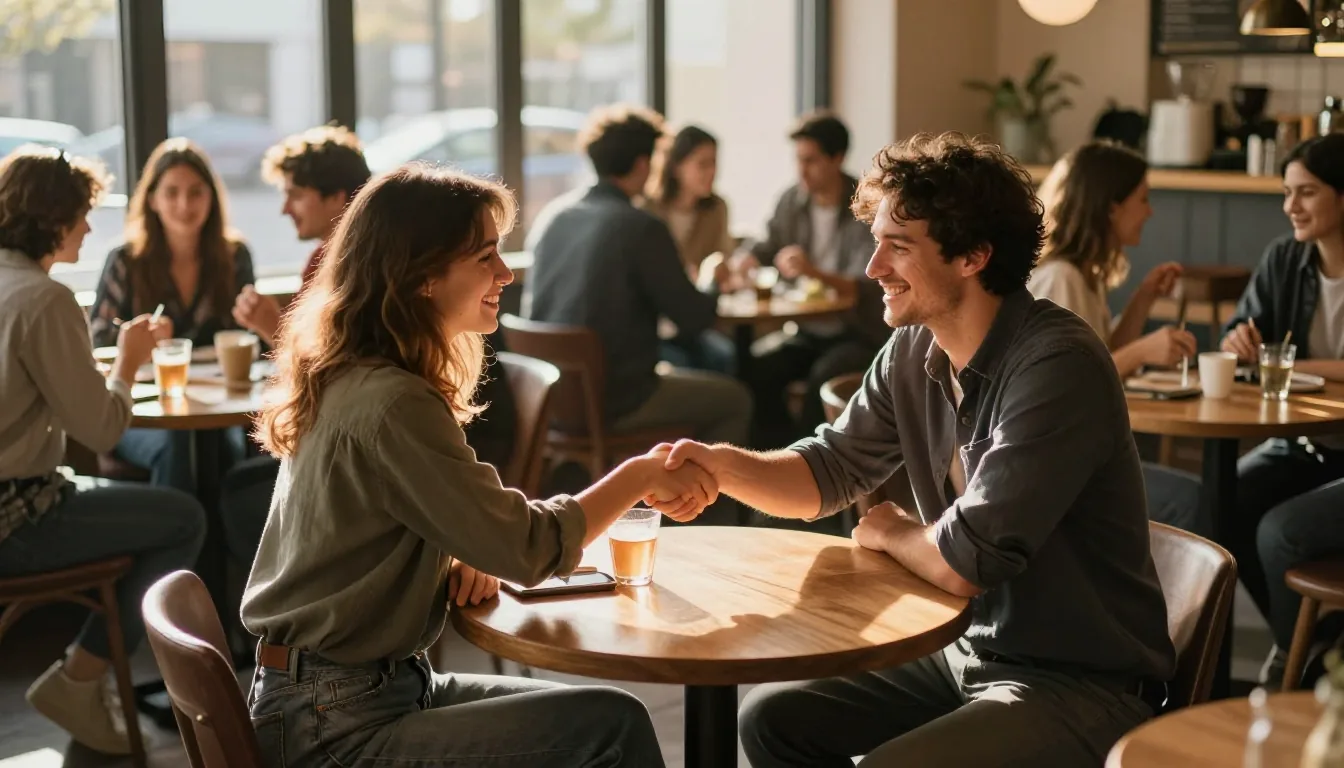
Speed dating is often misunderstood as a chaotic, awkward affair where people are forced to talk to strangers they don’t like. In reality, it is a highly structured social experiment designed to maximize efficiency. The concept, which gained mainstream popularity in the late 1990s, has evolved significantly. Today’s speed dating events are far more sophisticated than the early iterations. They are curated, themed, and often segregated by age, profession, or interest. This curation is key. By narrowing the pool, the likelihood of finding a compatible match increases exponentially. Unlike the open-ended chaos of an app, speed dating offers a finite number of interactions. You know exactly how many people you will meet, and you know that the interaction will end. This bounded nature reduces the anxiety of "what if I never stop talking?" or "what if this goes nowhere?" It creates a safe container for vulnerability. You can be yourself because you know that in three minutes, you will be moving on to the next person. This low-stakes environment allows for genuine connection to form faster than in traditional dating scenarios.
Why In-Person Interactions Outperform Digital Ones
Human beings are biological creatures, not digital ones. We are wired to read micro-expressions, tone of voice, and body language. These non-verbal cues make up the vast majority of communication. When you are on a dating app, you are stripped of 90% of the information needed to gauge compatibility. You are left with text and photos, which are easily manipulated. In a speed dating event, you get the full package. You see how someone holds a glass, how they listen, how they react to humor, and how they handle awkward silence. This holistic view of a person provides a much more accurate prediction of compatibility than any algorithm can. Furthermore, in-person interactions create a sense of presence. The physical proximity of another human being triggers oxytocin and other bonding hormones in a way that a screen cannot. This physiological response makes it easier to feel a spark, to feel a connection. It is the difference between reading a letter and hearing a voice. It is visceral, immediate, and real. For many singles, this reality is the antidote to the sterile, cold feeling of digital dating.
The Efficiency of Structured Socializing
One of the biggest barriers to offline dating is the sheer difficulty of meeting new people. Going to a bar is hit or miss. Joining a club requires a long-term commitment. Speed dating solves the "who do I talk to?" problem. The structure of the event does the heavy lifting for you. You don’t have to work up the courage to approach a stranger; the event structure mandates the approach. This is particularly beneficial for introverts or those who have lost their social skills due to pandemic-era isolation. The event provides a script, a timeline, and a social norm. Everyone is there for the same reason. There is no judgment for being single, no awkwardness for being alone at a table. You are part of a collective effort to find connection. This shared purpose creates a unique social dynamic that is difficult to replicate elsewhere. It is a networking event for the heart. The efficiency cannot be overstated. In one hour, you can meet 10 to 15 potential partners. On an app, it might take weeks to have that many meaningful conversations. The time-to-value ratio for speed dating is significantly higher, making it an attractive option for busy professionals who value their time.
Cultural Shifts and the Value of Intentionality
The return to speed dating is part of a broader cultural shift toward intentionality in all aspects of life. We are seeing this in food (farm-to-table), in work (remote work boundaries), and in socializing. People are moving away from "passive consumption" and toward "active participation." In the context of dating, this means moving away from passive swiping to active socializing. Speed dating is an active pursuit. It requires you to show up, to engage, to listen, and to be present. It aligns with the growing desire for authenticity and depth in relationships. In a world saturated with superficial digital interactions, the depth of a face-to-face conversation is a luxury. It is a signal that you are investing in the process. This intentionality is attractive to others. When you attend a speed dating event, you are signaling that you are serious, that you are ready, and that you value your time and the time of others. This creates a higher quality pool of potential partners, as you are likely to attract people who share your values and your desire for meaningful connection.
Overcoming the Fear: A Practical Guide
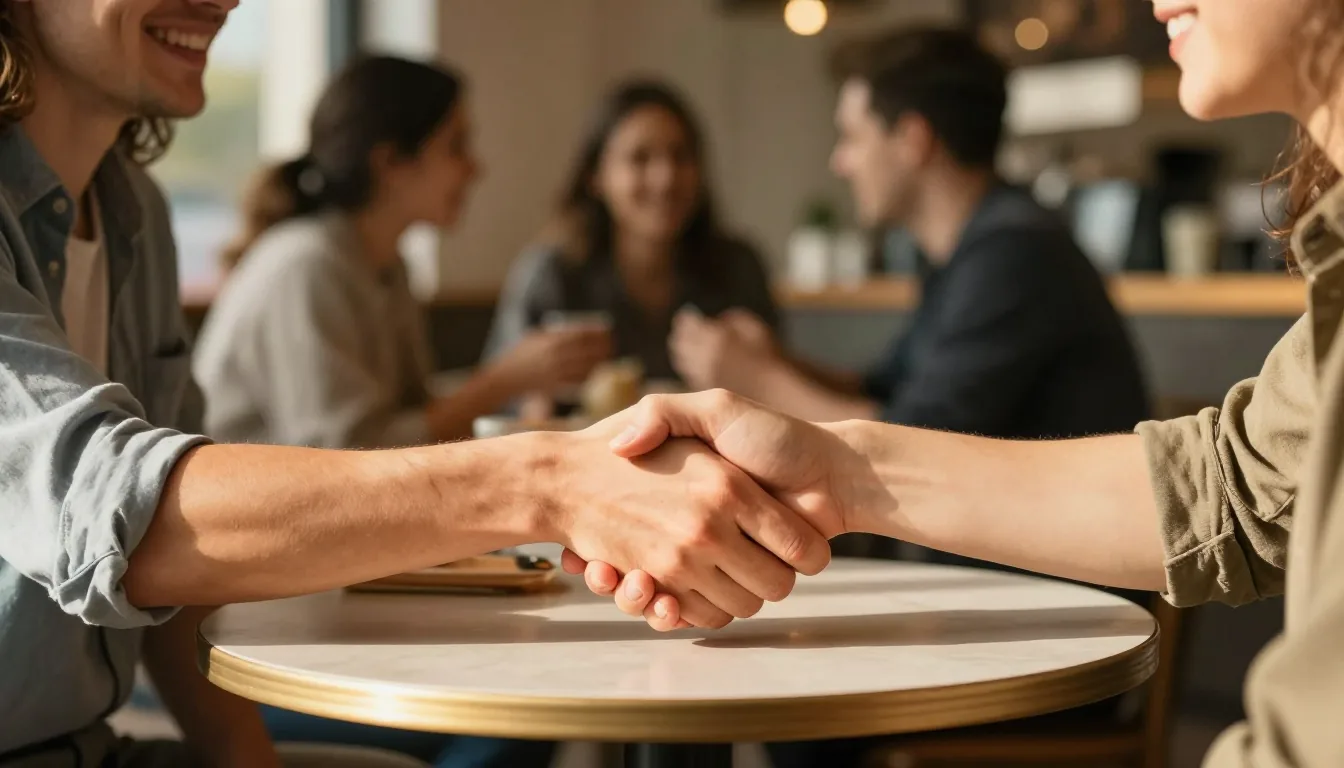
If the idea of speed dating still feels daunting, you are not alone. Many people hesitate due to fear of rejection, fear of awkwardness, or fear of the unknown. However, understanding the mechanics of the event can alleviate much of this anxiety. First, remember that you are not being judged as a person; you are being evaluated as a potential match. If it doesn’t work out, it is not a reflection of your worth. It is simply a mismatch. Second, prepare a few "go-to" questions. These should be open-ended and fun. Instead of "What do you do for a living?" try "What is the most interesting thing you have learned this week?" or "If you could have dinner with anyone, who would it be?" These questions reveal personality and values without feeling like an interview. Third, focus on listening. The best speed daters are not the best talkers; they are the best listeners. When you show genuine interest in what the other person is saying, you create a connection that is memorable. Finally, take care of yourself. Wear clothes that make you feel confident. Eat a good meal beforehand. Get enough sleep. You are the best version of yourself when you are well-rested and comfortable. Approach the event with curiosity, not pressure. Your goal is not to find "the one" in one hour; your goal is to have a few good conversations and see who clicks.
The Role of Technology in Offline Events
Ironically, technology is playing a crucial role in the resurgence of offline speed dating. Modern speed dating events are not entirely analog. They use apps for registration, matching, and feedback. After the event, participants are often able to indicate who they would like to see again. If there is a mutual match, the app connects the two people, providing their contact information. This hybrid model combines the best of both worlds. You get the efficiency and safety of digital matching, but the depth and authenticity of in-person interaction. The app handles the logistics, while the human handles the chemistry. This reduces the friction of exchanging numbers in person, which can be awkward. It also provides a record of the event, allowing you to remember who you met and what you talked about. Some platforms even use AI to suggest matches based on the feedback provided during the event, further enhancing the accuracy of the pairing. This technological integration makes the experience smoother and more user-friendly, removing the clunky, paper-based feel of early speed dating events.
Comparing Cost and Commitment
One of the advantages of speed dating over traditional dating apps is the clarity of cost and commitment. Most dating apps are free to use but require a significant time investment. Speed dating events usually have a ticket price, which covers the venue, food, and organization. This upfront cost acts as a filter, ensuring that only those serious about finding a match attend. It also makes the value proposition clear. You are paying for a specific outcome: the opportunity to meet a curated group of singles in a short amount of time. Compared to the cost of going out to dinner or drinks repeatedly with no guarantee of a match, the cost of a speed dating event is often lower. Furthermore, the commitment is finite. You are not signing up for a long-term subscription to a service that may or may not work for you. You are buying an experience. If you don’t like it, you don’t have to do it again. This low-risk, high-reward structure is appealing to a wide range of singles. It allows you to test the waters of offline dating without a significant financial or emotional investment.
Success Stories and Real-World Impact
The impact of the return to speed dating is visible in the success stories of those who have made the switch. Many couples who met through speed dating events report that they felt a stronger connection from the start than they did with previous online matches. The face-to-face interaction allowed them to gauge compatibility quickly, saving them time and heartache. One couple, who met at a professional speed dating event in New York, reported that they knew they wanted to see each other again after just two minutes. They skipped the months of texting and went straight to a date. Another couple, who met at a hobby-based mixer, found that their shared interest in hiking provided a natural conversation starter that led to a deep connection. These stories are not rare. They are becoming increasingly common as more people make the switch. The success rate of speed dating events, while difficult to measure precisely, is generally considered to be higher than that of dating apps, particularly for individuals who have struggled to find matches online. The structured environment and the curated participant pool create conditions that are conducive to successful matching.
Future Trends in Speed Dating
As we look toward the future, speed dating is likely to continue evolving. We are seeing a trend toward more niche and specialized events. Instead of generic "singles mixers," there are events for specific professions, interests, or demographics. There are speed dating events for tech workers, for book lovers, for parents, and for people over 50. This specialization allows for deeper connections based on shared values and interests. We are also seeing the rise of "slow dating" events, which are the opposite of speed dating. These events last several hours and allow for longer, more in-depth conversations. This format is appealing to those who feel that speed dating is too rushed. Another trend is the integration of wellness elements into dating events. Some events include yoga, meditation, or mindfulness exercises before the dating portion begins. This helps participants relax and be more present. The goal is to create a holistic experience that supports not just the dating aspect, but the overall well-being of the participants. These trends reflect a growing understanding that dating is not just about finding a partner, but about improving one’s life and well-being.
Conclusion: Reclaiming Your Romance
The shift from dating apps to speed dating is more than just a change in venue; it is a reclamation of agency. It is a decision to take control of your search for love, to be active rather than passive, and to prioritize quality over quantity. In a world that often feels overwhelming and disconnected, the simple act of sitting across from another person and having a real conversation is a radical act of hope. It is a belief that connection is possible, that compatibility can be found, and that you do not have to do it alone. The burnout you feel from the apps is a signal, not a failure. It is your mind and body telling you that you need a different approach. Listen to it. Put down the phone. Look up. Go to an event. Meet someone. Let the algorithm take a back seat, and let the human take the lead. The person you are looking for is out there, and they are likely tired of swiping too. Speed dating offers a bridge between the two of you, a structured, safe, and efficient way to cross the gap. It is time to stop scrolling and start connecting. The next great love story might not be found in a feed; it might be found in a three-minute conversation, a shared laugh, and a mutual match. The table is set. Your seat is waiting. All you have to do is show up.
Sources
- Speed Dating Singles Events by Pre-Dating - Largest Speed Dating ...
- Event Speed Dating 2026: How to Host a Speed Dating Event (Complete ...
- The latest Speed Dating Events news, videos & comments | NewsBreak
- Speed Dating - Date n' Dash Organizers
- Dating app burnout sends singles back to in-person dating events - nj.com
- DateFaster — Speed Dating & Singles Events Near You