Speed Dating in 2026: How to Host the Perfect Event
The 2026 Revival: Why Speed Dating Is Back on the Menu
Let’s be honest: the modern dating landscape in 2026 feels less like a romantic adventure and more like a high-stakes job interview conducted via video call. We have swiped thousands of times, curated our profiles with the precision of a marketing team, and exhausted our willpower with endless, low-effort conversations that go nowhere. It is no surprise that a significant number of singles are ready to hang up the phone, put down the tablet, and actually meet a human being in a room with real air conditioning and real eye contact.
This is where speed dating makes its triumphant return. Far from being a relic of the early 2000s, speed dating has evolved into a sophisticated, highly organized social experience. In 2026, it is no longer just about frantically trying to find a spouse in seven minutes; it is about creating a safe, structured environment where connection is the priority, not the algorithm. Whether you are a seasoned event planner looking to host a corporate mixer or a community organizer aiming to bring singles together in your local district, understanding the mechanics of the perfect speed dating event is essential.

Speed dating is, at its core, a formalized matchmaking process designed to encourage eligible singles to meet new potential partners in a very short period of time [4]. The goal is simple: if you are interested, you continue meeting each other after the event; if you are not, you move on without the awkwardness of a long, drawn-out rejection. But executing this format flawlessly requires more than just chairs and a timer. It requires strategy, empathy, and a deep understanding of human psychology. Let’s dive into the complete playbook for hosting the perfect speed dating event in 2026.
The History and Evolution of the Format
To understand where we are in 2026, we must look at where we started. The concept of speed dating is often attributed to Rabbi Yissacherow Zev Rosenzweig, a rabbi in Los Angeles who organized the first known event in 1998. He wanted to provide a safe, chaste, and structured way for Jewish singles to meet potential partners without the pressures of traditional bar crawling or the coldness of online profiles [4].
Initially, these events were niche, often tied to religious or cultural communities. However, the format quickly exploded into the mainstream. By the mid-2000s, speed dating had become a global phenomenon, featured in movies, television shows, and news articles. But like many trends, it faced a dip in popularity as smartphone dating apps like Tinder and Bumble took over the market. The convenience of digital dating seemed to render the physical event obsolete.
However, the pendulum is swinging back. In the post-digital fatigue era of the mid-2020s, there is a renewed appreciation for the "analog" experience. People are tired of digital ghosts and catfishing. They want to know if the person across from them is actually who they say they are. Speed dating offers that immediate, visceral feedback loop that no app can replicate. It is a return to the basics of human interaction: eye contact, voice tone, and body language.
Defining the Modern Speed Dating Experience
In 2026, the "perfect" speed dating event is not a one-size-fits-all affair. The definition of success has shifted from "finding a date" to "finding a connection." This shift has led to the diversification of event types. We are seeing the rise of specialized mixers that cater to specific demographics or interests.
For example, "wedding singles mixers" are becoming popular, where attendees are specifically looking for partners who share similar values regarding marriage and family. There are also corporate networking events that use speed dating formats to help employees build cross-departmental relationships. Even virtual speed dating has found a niche, allowing people in remote areas to participate in structured video calls with a host facilitating the flow [1].
The key insight for hosts in 2026 is that the audience is more discerning than ever. They are not just looking for a date; they are looking for an experience. They want to feel safe, respected, and entertained. The event must feel like a celebration of potential, not a transactional exchange of contact information. This requires a focus on the "vibe" of the event, which we will explore in the section on venue selection.
Choosing the Right Venue and Atmosphere
The venue is the stage for your event, and it sets the tone for every interaction that takes place. In 2026, the ideal venue is one that balances comfort with excitement. It should be a space that encourages conversation but does not force it. A loud, rowdy nightclub is a bad choice; it drowns out voices and creates stress. A quiet, sterile conference room is also a bad choice; it feels like a job interview.
Look for spaces with good acoustics, ample natural light, and a layout that allows for easy movement. A community center, a boutique hotel lounge, or a local restaurant with a private section are excellent options. The goal is to create an environment where people feel relaxed enough to be themselves. Consider the seating arrangement carefully. You want tables that are close enough for easy conversation but far enough apart to provide a sense of privacy. Round tables are generally better than long rectangular ones, as they facilitate a more intimate, circular flow of interaction.
Lighting is also crucial. Harsh fluorescent lights can make people look unflattering and create a sterile atmosphere. Warm, ambient lighting is preferred. It softens features and creates a cozy, inviting feel. Music is another important element. It should be background noise, not a distraction. Choose a playlist that is upbeat but not overpowering. The music should set a positive mood without interfering with the conversation. If you are hosting a virtual event, ensure that the platform you use has good video and audio quality, and that the interface is user-friendly [1].
Timing and Duration: The Art of the 7-Minute Window
One of the most common questions from new hosts is: "How long should each round last?" The traditional answer is 7 to 10 minutes. This duration has been refined over decades of practice. It is long enough to establish a basic connection and ask a few meaningful questions, but short enough to keep the energy high and prevent the conversation from becoming awkward or repetitive.
In 2026, we recommend sticking to the 7-minute mark for standard singles events. This allows for a clear structure: about 2 minutes for introductions and icebreakers, 3 minutes for deeper conversation, and 2 minutes for wrapping up and deciding if you are interested. For corporate networking events, you might extend this to 10 or 12 minutes to allow for more professional context to be shared. For virtual events, you might shorten the rounds to 5 minutes, as video calls can be tiring and attention spans are often shorter [1].
The overall length of the event is also important. A standard speed dating event typically lasts between 2 and 3 hours. This includes check-in, the dating rounds, and a break for food and drink. Do not overpack the schedule. People need time to breathe, hydrate, and process their interactions. A rushed event leads to a rushed experience, which is the opposite of what you want to achieve. Plan for a smooth, relaxed flow that allows guests to enjoy the social aspect of the evening.
The Role of Technology in 2026
Technology has transformed how we host and manage speed dating events. In the past, hosts relied on paper cards and manual tracking. Today, we have a variety of apps and platforms that streamline the process. These tools not only make the host’s job easier but also enhance the guest experience.
Modern speed dating apps allow attendees to create profiles, check in with a QR code, and record their interests in real-time. At the end of the event, the app matches interested pairs and sends them each other’s contact information. This eliminates the awkwardness of asking for a number and ensures that only mutually interested parties are connected. Some apps even offer "instant match" notifications, allowing people to continue their conversation immediately after the event [1].
However, technology should be a tool, not a crutch. Do not let the app dictate the entire experience. Encourage guests to engage with each other in person. The app is there to handle the logistics, not to replace the human connection. Additionally, consider using technology to enhance the atmosphere. Digital signage can display fun facts, icebreaker questions, or event updates. Social media integration can allow guests to share their experience (with permission) and build buzz for future events. The key is to use technology to support the human element, not to overshadow it.
Designing Effective Icebreakers and Conversation Prompts
One of the biggest challenges in speed dating is getting the conversation started. Many people feel anxious about what to say, leading to awkward silences or superficial small talk. As the host, you can alleviate this pressure by providing icebreakers and conversation prompts.
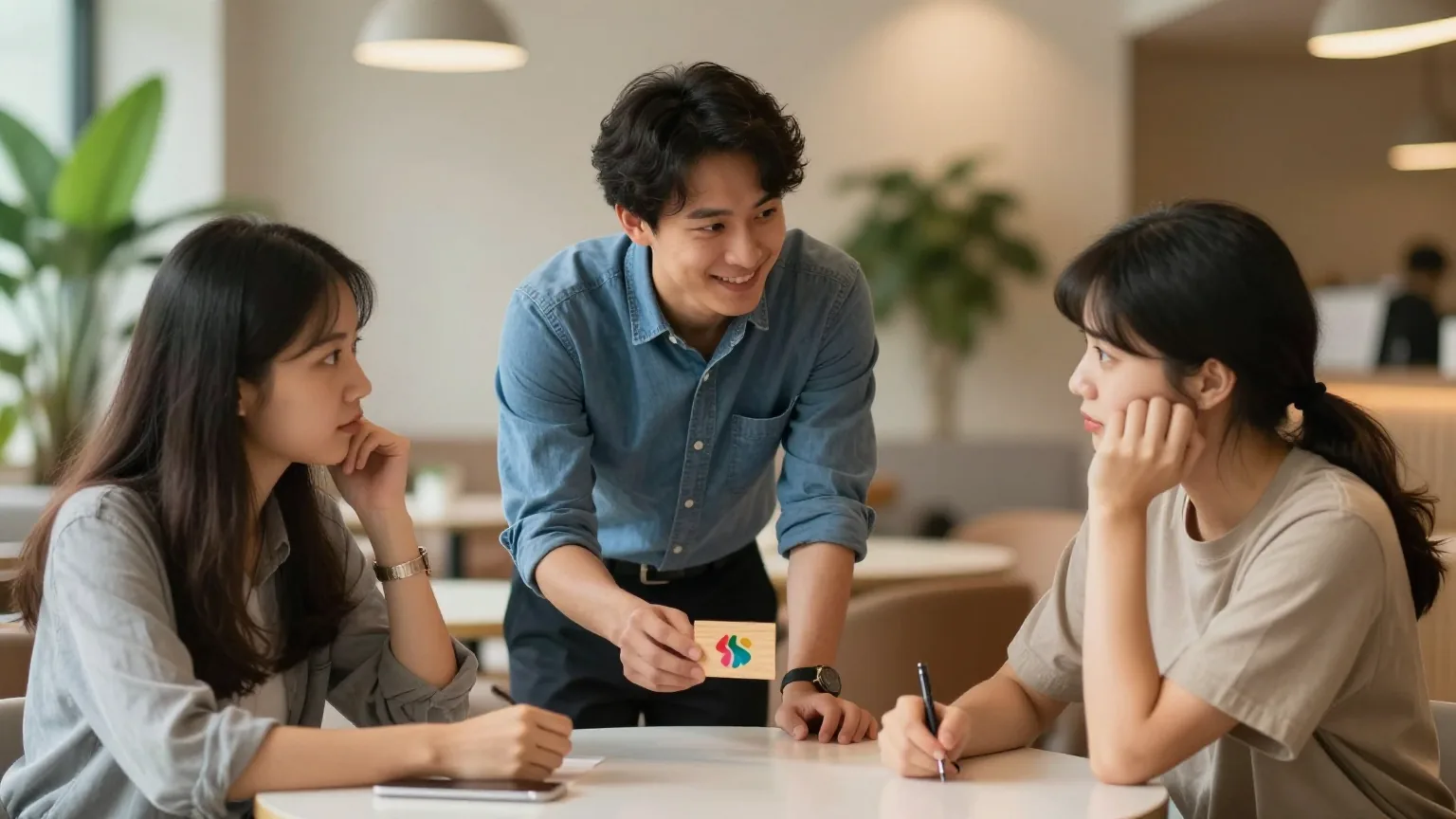
These prompts should be thought-provoking but not too intrusive. Avoid questions that are too personal or controversial. Instead, focus on topics that allow people to share their interests, values, and stories. For example, "What is a hobby you have always wanted to try?" or "What is the best piece of advice you have ever received?" are great starters. You can print these prompts on cards and place them on the tables, or display them on a screen during the event [3].
Another effective technique is to use "fun facts" or "trivia" as a conversation starter. This can help break the ice and create a lighthearted atmosphere. For example, "Did you know that the average person spends 6 years of their life waiting in lines?" This kind of information can spark curiosity and lead to more meaningful conversations. Remember, the goal is to create a relaxed, fun environment where people feel comfortable being themselves.
Managing the Flow: The Host’s Crucial Role
The host is the heartbeat of the event. You are responsible for keeping the energy high, the timing accurate, and the atmosphere positive. This requires a lot of preparation and practice. Before the event, you should walk through the entire process, from check-in to the final match notification. Identify any potential bottlenecks or issues and have a plan for how to handle them.
During the event, be visible and approachable. Move around the room, check in with guests, and offer assistance if needed. Use a clear, confident voice when announcing the start and end of each round. Be mindful of the time, but do not be rigid. If a round is going particularly well, you might consider extending it by a minute or two. If the energy is low, you might shorten the round to keep the momentum going. Flexibility is key.
Also, be prepared to handle difficult situations. What if two people are arguing? What if someone is being inappropriate? Have a clear policy for handling these issues and enforce it firmly but respectfully. Your goal is to create a safe and inclusive environment for all guests. If you are not comfortable handling these situations yourself, consider hiring a team of volunteers or staff to assist you.
Marketing and Building Your Audience
A great event is useless if no one shows up. Marketing is a critical component of hosting a successful speed dating event. In 2026, you need a multi-channel approach that combines digital and traditional tactics.
Start with social media. Create a dedicated page for the event and share regular updates, behind-the-scenes content, and testimonials from past attendees. Use targeted ads to reach your specific demographic. For example, if you are hosting an event for young professionals, target ads to people in that age group and profession. Collaborate with local influencers or community leaders who can help spread the word. Email marketing is also effective. Build a list of interested singles and send them regular updates and exclusive offers.
Don’t forget about traditional marketing. Post flyers in local cafes, bookstores, and community centers. Partner with local businesses to offer discounts or promotions. Word of mouth is still one of the most powerful marketing tools. Encourage past attendees to invite their friends and family. Offer incentives for referrals, such as a discount on their next event or a free drink. The goal is to create a sense of community and excitement around your event [2].
Ensuring Safety and Inclusivity
Safety and inclusivity are non-negotiable in 2026. Speed dating events bring together strangers, which can sometimes lead to uncomfortable or unsafe situations. As the host, you have a responsibility to ensure that all guests feel safe and respected.
Start by setting clear boundaries and expectations. Provide a code of conduct that outlines acceptable behavior and consequences for violations. Train your staff and volunteers on how to handle incidents of harassment or aggression. Have a clear plan for how to remove problematic guests from the event. Consider hiring security personnel if the event is large or if you are in a high-risk area.
Inclusivity is also important. Speed dating should be open to people of all backgrounds, identities, and abilities. Avoid language or imagery that excludes certain groups. Be mindful of different cultural norms and expectations. For example, some people may be uncomfortable with physical contact, while others may be more open to it. Respect individual boundaries and preferences. By creating a safe and inclusive environment, you will attract a wider audience and build a loyal community of attendees [3].
Post-Event Follow-Up and Community Building
The event does not end when the last guest leaves. In fact, the post-event follow-up is where you can turn one-time attendees into lifelong fans. Send a thank-you email to all guests, including a link to the match results and a survey to gather feedback. Use the feedback to improve future events. Share photos and highlights from the event on social media, tagging attendees who gave permission. This helps to build a sense of community and excitement for the next event.
Consider creating a private online group or forum for your attendees. This can be a space for them to share tips, ask questions, and connect with each other. It can also be a platform for you to announce new events and offer exclusive content. By building a community, you are creating a sustainable business model that is not reliant on single events. You are creating a brand that people trust and want to be part of.
Common Mistakes to Avoid
Even with the best intentions, hosts can make mistakes that ruin the experience. Here are some common pitfalls to avoid:
- Overcrowding the room: If there are too many people, the event can feel chaotic and stressful. Ensure that the venue can comfortably accommodate the expected number of guests.
- Poor timing: If the rounds are too long or too short, it can disrupt the flow of the event. Stick to the recommended duration and be flexible as needed.
- Lack of engagement: If the host is not visible or interactive, the energy can drop. Be present, be enthusiastic, and be helpful.
- Ignoring feedback: If you do not listen to your guests, you will miss out on valuable insights that can help you improve your events. Always ask for feedback and act on it.
Conclusion: Bringing People Together in a Digital Age
Speed dating in 2026 is more than just a dating method; it is a movement. It is a rejection of the isolation and anxiety that often accompany modern dating. It is a celebration of human connection, curiosity, and possibility. By hosting a well-planned, inclusive, and engaging event, you are not just helping people find a date; you are helping them find a community. You are giving them a chance to step out of their digital bubbles and into the real world, where they can meet someone who challenges them, inspires them, and makes them laugh.
So, are you ready to take the plunge? Whether you are a seasoned event planner or a first-time host, the tools and insights you need are right here. Start small, listen to your guests, and always prioritize the human experience. The perfect speed dating event is not about perfection; it is about connection. And in a world that is often disconnected, that is a powerful thing.
Call to Action: Ready to host your own event? Download our free checklist and template to get started today. And if you’re looking for a platform to manage your matches, check out the latest tools available in 2026 to streamline your process [1]. Let’s make meeting people in real life cool again [2].