Speed Dating in 2026: The Complete 2026 Host Guide
Speed Dating in 2026: The Complete Host Guide
Imagine a room filled with nervous laughter, the rhythmic ticking of a clock, and the electric tension of potential connections. It is the quintessential scene of speed dating, but in 2026, the stakes are higher and the expectations are sharper. We live in an era where a swipe on an app can be forgotten in seconds, yet a face-to-face interaction lasts for the rest of your life. Speed dating, once a novelty for the adventurous few, has evolved into a sophisticated matchmaking engine that blends human psychology with modern logistics. For hosts, organizers, and community builders, this year presents a unique opportunity to curate experiences that go beyond mere introductions. They are about creating genuine human connections in a digital-first world.
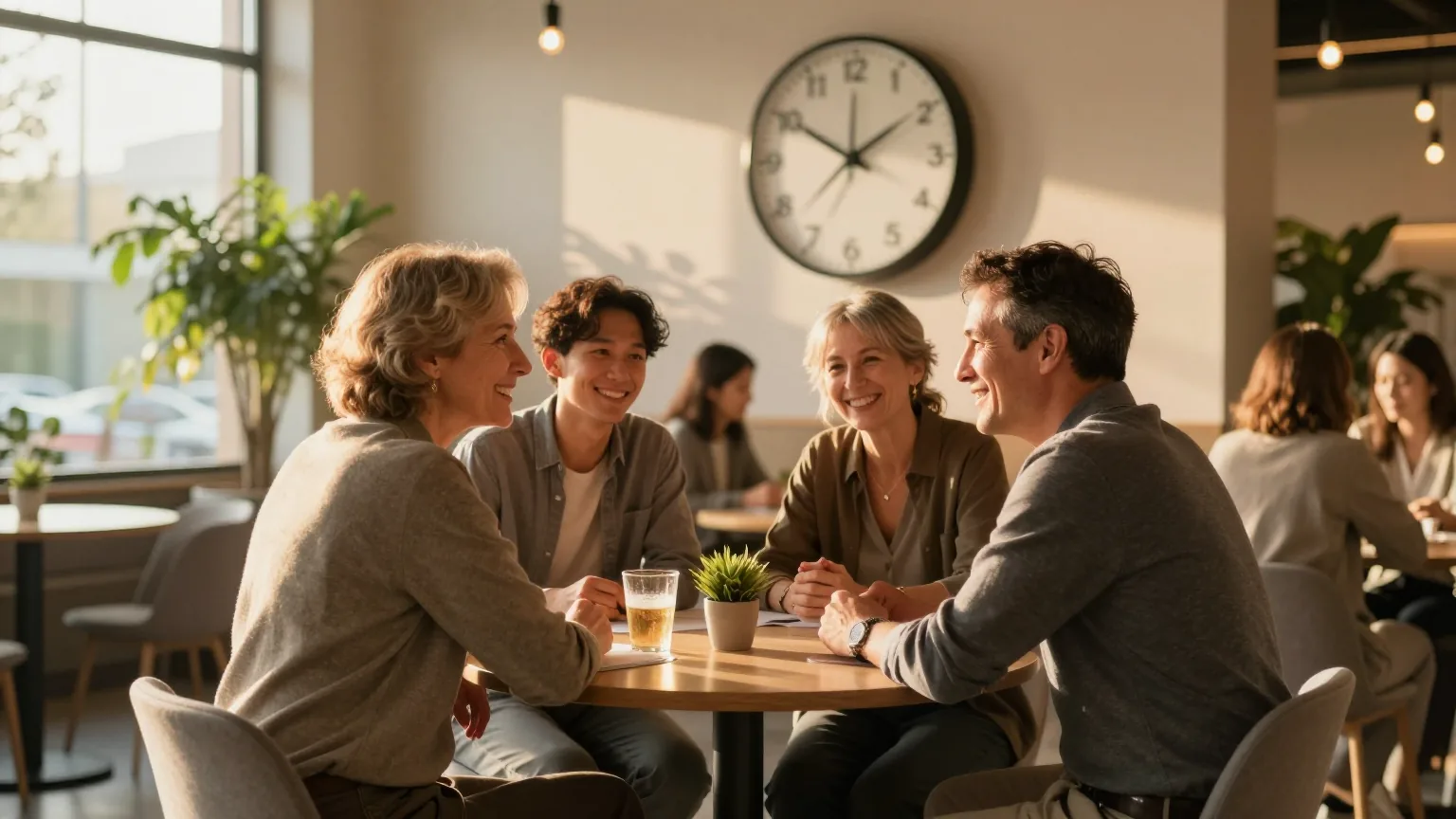
As we navigate the landscape of modern romance, the role of the speed dating host has shifted. You are no longer just managing a schedule; you are curating an emotional experience. Whether you are running a corporate networking mixer, a virtual global event, or a traditional in-person meetup, understanding the mechanics and the mindset of 2026 is crucial. This guide serves as your complete playbook for hosting successful, engaging, and memorable speed dating events in the coming months. Let’s dive into the art and science of bringing singles together, one conversation at a time.
The Evolution of Speed Dating: From Novelty to Necessity
To understand where we are in 2026, we must briefly look at where we started. Speed dating is a formalized matchmaking process designed to encourage eligible singles to meet new potential partners in a very short period of time [2]. Historically, it was a radical concept. The idea that you could gauge compatibility in three to seven minutes seemed absurd to many. However, over the last two decades, it has proven its efficacy. Pre-Dating, for instance, has operated for over 15 years, hosting monthly events in more than 90 cities and facilitating over 5 million dates [1]. This scale is not just a statistic; it is a testament to the enduring human desire for face-to-face connection.
In 2026, the landscape has changed. The "app fatigue" phenomenon is at an all-time high. People have spent countless hours chatting with profiles that never translate into real-life chemistry. Speed dating offers a solution to this specific pain point. It helps you quickly determine chemistry, a feature that is often missing from online interactions where you might chat for weeks only to find out you have zero attraction when you finally meet [5]. For hosts, this historical context is important because it frames your event not as a "party," but as a vital service. You are solving a problem: the disconnect between digital presence and physical reality.
Defining Your Audience: Who Are You Hosting For?
One size does not fit all in 2026. The most successful hosts are those who niche down. Are you targeting busy single professionals, like the demographic served by major global services [1]? Or are you focusing on specific age groups, interests, or communities? The modern speed dating event is often tailored to specific segments. For example, a "Tech Tuesday" mixer will have a different vibe, dress code, and conversation starter than a "Creative Class" evening.
Understanding your audience allows you to set the right tone. If you are hosting for professionals, they value efficiency and structure. If you are hosting for a younger demographic, they might appreciate a more relaxed, game-based format. In 2026, data suggests that singles are more discerning than ever. They want to know who they will be meeting before they commit to the event. This is why clear, specific marketing is essential. Don’t just say "Speed Dating Night." Say "Speed Dating for Women in Finance, Ages 28-35." Specificity drives attendance and, more importantly, satisfaction.
Choosing the Right Venue: Setting the Stage for Connection
The venue is the first thing your guests notice, and it sets the psychological stage for the evening. In 2026, the "cool" factor is still important, but so is functionality. A venue that looks great on Instagram but has poor acoustics or uncomfortable seating is a recipe for disaster. You need a space that facilitates easy movement and intimate conversation.
Consider the layout carefully. The classic "wheel" setup, where one person stays seated and the other rotates, is efficient but can feel mechanical. Some hosts in 2026 are experimenting with "station" setups, where guests move between different themed tables or corners of the room. This can reduce the pressure of the "rotation" and allow for more natural, organic conversations. For example, one corner might have a prompt about travel, while another focuses on food. This adds a layer of playfulness to the event, making it feel less like an interview and more like a social game.
Lighting is also critical. Avoid harsh fluorescent lights, which can make people look unflattering and increase anxiety. Warm, ambient lighting creates a more relaxed atmosphere, encouraging guests to open up. If you are hosting virtually, your "venue" is your platform. Ensure your video connection is stable and that the interface is user-friendly. A glitchy video call can kill the mood faster than bad lighting can in a physical room.
Timing the Event: When to Host for Maximum Impact
Timing is everything. The best time to host a speed dating event in 2026 is typically late Thursday or early Friday evening. This allows guests to attend without disrupting their work week, but it also leaves the weekend open for follow-up dates. Avoid hosting on busy work nights or right before major holidays. Your guests should be in a mindset that is open to socializing, not one where they are exhausted from a long week or distracted by holiday planning.
Duration is another key factor. A standard speed dating event lasts between 90 minutes and 2 hours. This includes registration, a brief introduction, the dating rounds, and a final mingle. Do not try to cram in too many rounds. Quality over quantity is the mantra of 2026. If you have 50 guests, and each round is 5 minutes, you can fit in 10 rounds. That is plenty. Any more than that, and you risk guest fatigue. People need time to reflect on their matches and to enjoy the social atmosphere of the event. Keep the pace brisk but allow for breathing room.
Designing the Format: The Art of the Round
The format of your event is the engine that drives the experience. The traditional format involves rotating one gender (or one group) while the other remains stationary. However, in 2026, inclusivity and flexibility are paramount. Consider using a "double rotation" where both groups move, or a "free flow" style where guests can move around the room at the end of each round to choose their next partner. This gives guests a sense of agency and control over their experience.
Each round should be between 3 and 7 minutes. Less than 3 minutes is too short to establish a connection. More than 7 minutes is too long and can feel like a full date, which defeats the purpose of speed dating. Use a clear, audible signal to indicate the end of each round. A bell, a chime, or a visual cue on a screen all work well. The signal should be distinct and consistent so that guests know exactly when to move.
During each round, guests should be encouraged to have a meaningful conversation. This is where your role as host comes in. You can provide conversation starters on cards or on a screen. These prompts should be light, fun, and open-ended. Avoid questions that are too personal or controversial. Instead, ask about hobbies, travel, or fun facts. The goal is to get guests talking and laughing, not to conduct a background check.
The Role of Technology in 2026 Hosting
Technology is no longer just a tool; it is an integral part of the speed dating experience. In 2026, most successful hosts use dedicated apps or platforms to manage the event. These apps handle registration, scheduling, and, most importantly, match tracking. Instead of paper cards, guests use their phones to indicate if they are interested in a match. This data is then used to send follow-up contact information to mutually interested pairs.
Using technology also allows for real-time analytics. You can see which rounds are generating the most interest, which conversation starters are working best, and even the demographic breakdown of your attendees. This data is invaluable for improving future events. It allows you to make data-driven decisions about your format, venue, and marketing. For example, if you notice that the "travel" conversation starter is generating more matches than the "food" one, you might want to use more travel-themed prompts in your next event.
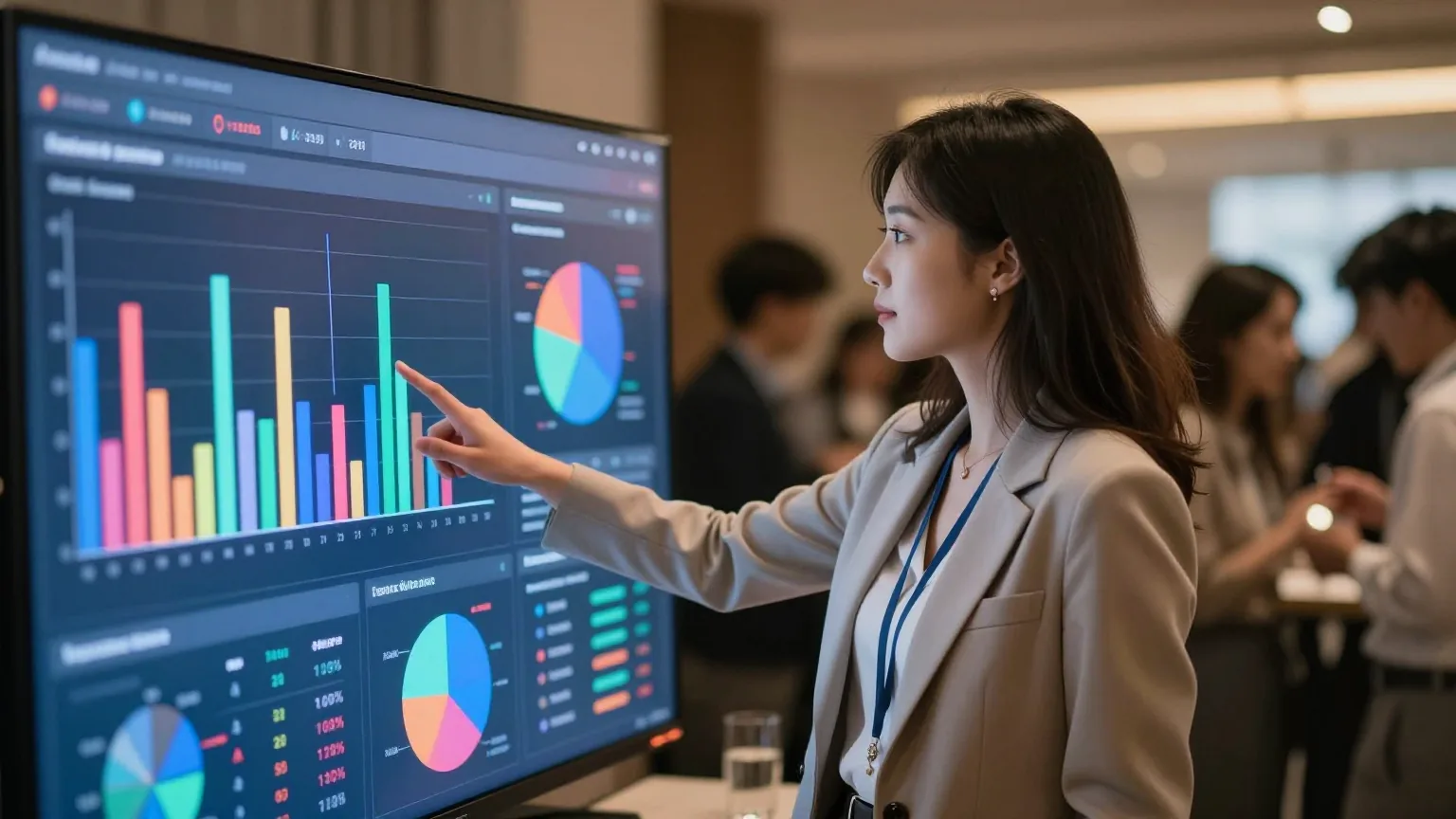
Virtual speed dating has also matured in 2026. With high-quality video streaming and interactive features, virtual events are now a viable option for reaching a global audience. However, virtual events require a different set of skills. You need to be more active in the chat, more engaging in your hosting, and more attentive to the technical aspects. A virtual event that feels like a webinar is a failed event. It needs to feel like a party, even if it’s happening online.
Marketing Your Event: Getting the Word Out
Even the best-planned event will fail if no one shows up. Marketing is a critical component of hosting a successful speed dating event. In 2026, social media is the primary channel for promoting your event. Use platforms like Instagram, Facebook, and LinkedIn to reach your target audience. Create engaging visuals that capture the vibe of your event. Use hashtags like #SpeedDating2026, #MeetPeopleInRealLife, and #SingleLife to increase your reach.
Partnering with local businesses can also be a great way to promote your event. Cafes, bars, and co-working spaces are all potential partners who can help you spread the word. You can offer them exclusive discounts or special promotions for their customers. In exchange, they can promote your event on their social media channels and in their newsletters. This is a win-win situation that can help you reach a wider audience.
Email marketing is also still effective. Build an email list of past attendees and interested singles. Send them regular updates about upcoming events, tips for success, and exclusive offers. Personalize your emails as much as possible. Use their name, reference their past attendance, and offer them something of value. This will help you build a loyal community of regulars who will keep coming back to your events.
Creating a Safe and Inclusive Environment
One of the most important responsibilities of a speed dating host is to create a safe and inclusive environment for all guests. This means having clear rules of conduct and enforcing them consistently. Rules should include no harassment, no discrimination, and no unwanted physical contact. Make these rules clear in your marketing materials and at the beginning of the event.
Train your staff and volunteers on how to handle difficult situations. They should be approachable and responsive to any concerns raised by guests. Have a clear process for reporting incidents and for removing guests who violate the rules. This will help you maintain a positive and safe atmosphere for everyone.
Inclusivity is also about representation. Make sure your event is welcoming to people of all genders, sexual orientations, and backgrounds. Use inclusive language in your marketing materials and on your website. Consider hosting specific events for underrepresented groups if you see a demand for them. This will help you build a more diverse and inclusive community.
Handling the Awkward: Managing Guest Anxiety
Let’s be honest: speed dating can be awkward. Guests may feel nervous, self-conscious, or even bored. As a host, it is your job to manage these emotions and create a positive experience. One way to do this is to set a positive tone from the start. Welcome your guests with a warm smile and a friendly introduction. Let them know that the goal is to have fun and meet new people, not to find the perfect partner.
Provide tips for success. For example, suggest that guests ask open-ended questions, make eye contact, and smile. These simple tips can help guests feel more confident and comfortable. You can also provide a "cheat sheet" with conversation starters and icebreakers. This will help guests get the conversation started and keep it flowing.
Be flexible. If a guest is struggling, be willing to step in and help. You can introduce them to other guests, offer them a drink, or simply chat with them to break the ice. Your role is to be a facilitator, not a judge. Be supportive and encouraging, and let guests know that it’s okay if they don’t find a match. The goal is to have a positive experience, not to find a date.
Post-Event Follow-Up: Keeping the Momentum
The event doesn’t end when the last guest leaves. The post-event follow-up is just as important. Send a thank-you email to all attendees within 24 hours. Include the contact information for any mutual matches and provide tips for planning a first date. This will help keep the momentum going and encourage guests to follow up on their connections.
Solicit feedback from your guests. Send a short survey asking them to rate their experience and provide suggestions for improvement. This feedback is invaluable for refining your event. Read every response and take note of any recurring themes or issues. Use this information to make improvements to your next event.
Finally, celebrate your successes. Share photos and stories from the event on social media. Highlight any matches that led to dates or relationships. This will help build buzz for your next event and show potential guests the value of attending your speed dating events. In 2026, storytelling is a powerful marketing tool. Use it to your advantage.
Common Mistakes to Avoid in 2026
Even experienced hosts can make mistakes. Here are some common pitfalls to avoid in 2026:
- Overcomplicating the Format: Keep it simple. Guests want to meet people, not navigate a complex system. The simpler the format, the better the experience.
- Ignoring Technology: In 2026, guests expect a seamless digital experience. If your app or platform is glitchy, you will lose trust.
- Poor Venue Choice: A bad venue can ruin an otherwise great event. Choose a space that is comfortable, well-lit, and easy to navigate.
- Lack of Follow-Up: Not following up with matches is a missed opportunity. Make sure you have a system in place for sending contact information.
- Not Listening to Feedback: Your guests have valuable insights. Listen to their feedback and use it to improve your events.
Conclusion: The Power of Human Connection
Speed dating in 2026 is more than just a matchmaking service. It is a celebration of human connection in a digital world. As a host, you have the power to create moments that can change someone’s life. You can help them find love, friendship, or simply a new perspective. By understanding the mechanics, the mindset, and the modern context of speed dating, you can create events that are not only successful but also meaningful.
The road to hosting a great speed dating event is paved with preparation, empathy, and a willingness to learn. Use this guide as your foundation, but remember that every event is unique. Adapt, innovate, and always keep the guest experience at the center of your efforts. In 2026, the demand for genuine human connection is higher than ever. Be the host who delivers it. Pick a date, book a venue, and start building your community. The world is waiting for you to bring people together. Let’s make meeting people in real life cool again [4].