Dating App Burnout: Why Speed Dating Is the 2026 Comeback
It’s 2026, and the modern dating landscape looks a lot different than it did a decade ago. For years, we were told that the algorithm knew best. We were told that if we just optimized our profiles, swiped with precision, and managed our notifications like a customer service rep, we would eventually find "the one." But somewhere between the third ghosting incident and the fourth "let's keep this casual" text, a collective sigh went out across the single demographic. The screen is no longer a gateway to romance; it is a source of fatigue. This phenomenon, widely known as dating app burnout, has reached a tipping point. In response, singles are quietly but firmly ditching their phones for something unexpected: a room full of other humans, a ticking clock, and a pen. Speed dating is back, and it is bigger, better, and more scientifically refined than ever before [3].
Once dismissed as a quirky party trick of the early 2000s, speed dating has evolved into a sophisticated matchmaking ecosystem. It is no longer just about awkward small talk in a dimly lit bar. It is a structured, efficient, and surprisingly effective alternative to the endless scroll. In this post, we will explore why the pendulum has swung back to in-person interaction, how the format has adapted to the modern world, and why this "old school" method might be the best way to find a genuine connection in the digital age.
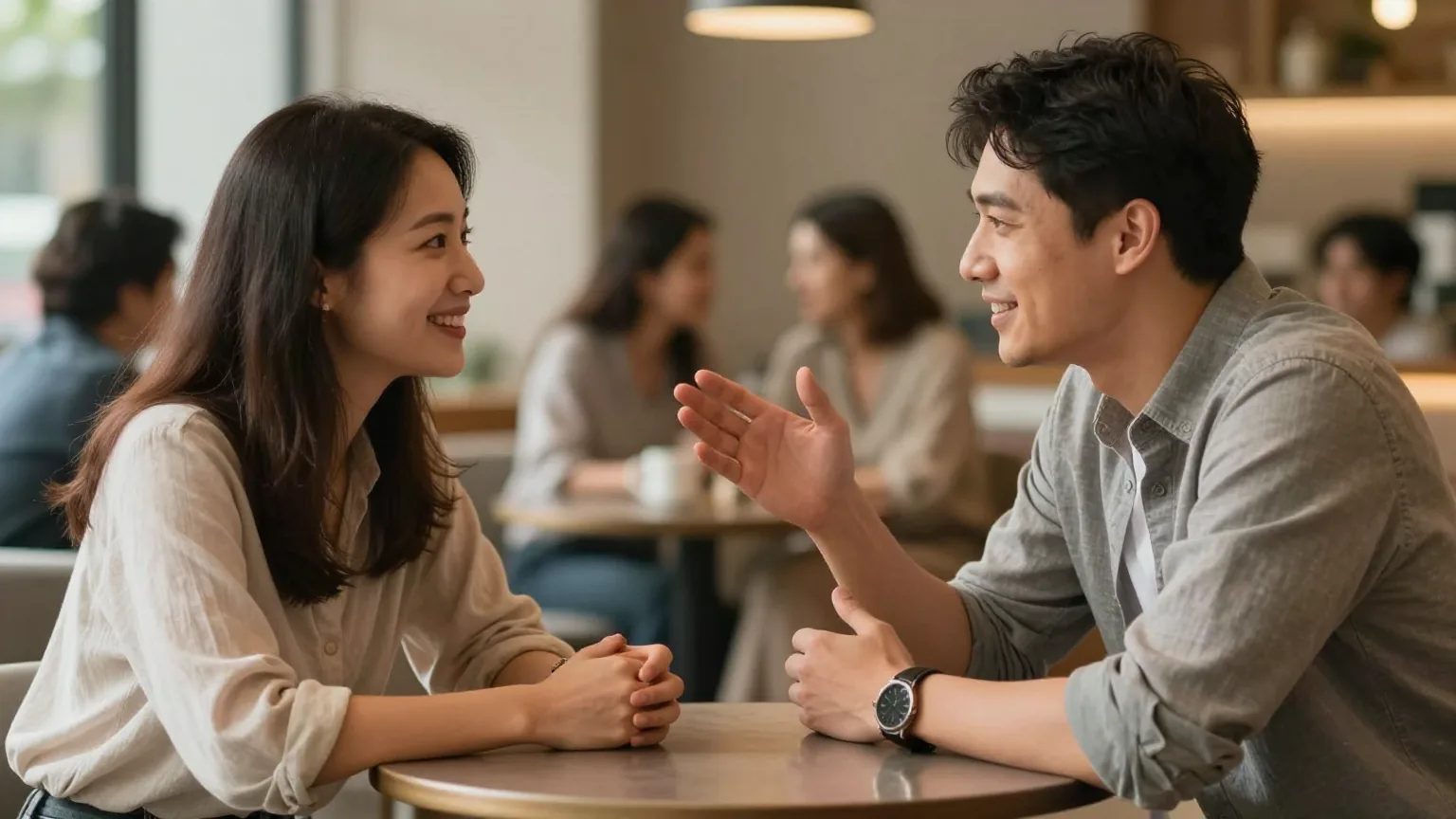
The Anatomy of App Burnout
To understand why speed dating is making a comeback, we first have to diagnose the illness: dating app burnout. It is not just about being tired of swiping; it is a psychological state characterized by decision fatigue, anxiety, and a profound sense of detachment. When you have infinite options available at your fingertips, the value of any single interaction diminishes. This is the paradox of choice taken to its extreme. You spend hours curating a persona, engaging in low-effort conversations that rarely lead anywhere, and constantly comparing potential partners to an idealized, unrealistic standard [3].
The digital interface creates a barrier to intimacy. You are judging someone by a curated set of photos and a bio that may or may not reflect their personality. You are filtering out potential partners based on arbitrary metrics like height, income, or political affiliation before you have even said "hello." This process is draining. It turns romance into a job interview, where you are constantly performing rather than connecting. As reported by recent trends, this burnout is driving singles back to offline spaces where the stakes are higher, but the authenticity is also higher [3].
Moreover, the lack of physical presence removes the non-verbal cues that are crucial for building trust and attraction. In an app, you miss the laugh, the eye contact, the nervous fidget, and the warmth of a voice. These micro-interactions are what spark a genuine connection. When you remove them, you are left with a hollow transaction. Speed dating reintroduces these elements by forcing you to be present, in the moment, with another human being.
A Brief History of the 3-Minute Romance
It is easy to view speed dating as a modern invention, but its roots go deeper than we might think. The concept of "formalized matchmaking" where singles meet briefly to decide on mutual interest has a long history, though the specific term "speed dating" was coined in the late 1990s [4]. Rabbi Yaakov Dapra is often credited with inventing the modern speed dating event in 1998 in Los Angeles, aiming to provide a structured, chaperoned environment for singles in the Jewish community who were uncomfortable with the chaos of bars or the passivity of online matching [4].
The format was simple: men and women sat at tables, had a set amount of time (usually 3 to 5 minutes) to talk, and then one side rotated. At the end of the night, participants filled out cards indicating who they were interested in seeing again. If both parties checked each other’s names, a match was made, and contact information was shared. It was a brilliant solution to the problem of meeting people: it removed the fear of rejection (because you meet many people), it provided structure (so you didn’t have to come up with conversation starters), and it created a safe, social environment.
By the early 2000s, speed dating had exploded into a global phenomenon. It was the go-to event for singles in major cities, from New York to London to Tokyo. However, as the 2010s progressed, the rise of smartphones and apps like Tinder, Bumble, and Hinge began to erode its popularity. The convenience of meeting someone from your couch was too tempting. Speed dating was pushed to the sidelines, often mocked in pop culture as a cringe-worthy last resort. But as we have seen, the pendulum always swings back. In 2026, speed dating is not just a comeback; it is a renaissance.
The Science of the First Impression
Why does a three-minute conversation work? Is it magic? No, it is science. Research into speed dating has shown that the initial impressions formed during these brief encounters are remarkably accurate predictors of long-term compatibility and attraction [4]. Humans are hardwired to gather information quickly. In the first few minutes of interaction, we assess factors like hygiene, confidence, humor, and compatibility of values. These "first impression" signals are often more reliable than the lengthy profiles we read on apps, which can be heavily curated or misleading.
Psychologists refer to this as "thin-slicing," the ability to make accurate judgments about a person’s personality and intentions based on very brief observations. Speed dating leverages this cognitive shortcut. By putting people in a low-stakes, high-volume environment, it allows them to test these thin slices against reality. If you like someone, you move on to the next table. If you don’t, you move on. There is no lingering, no overthinking, and no "let’s see where this goes" ambiguity. It is a rapid-fire assessment of chemistry.
Furthermore, the time pressure of speed dating actually enhances the experience. The ticking clock creates a sense of urgency and focus. You cannot afford to be distracted by your phone or lost in your own thoughts. You must be present. This heightened state of awareness makes the interactions more vivid and memorable. You remember the jokes, the eye contact, and the energy of the conversation more clearly than you would in a slow, drawn-out date. This clarity helps you make better decisions about who to pursue further.
The 2026 Playbook: How Events Have Evolved
The speed dating events of 2026 are nothing like those of 2005. The industry has matured, and the events are now highly professionalized. According to recent guides on hosting speed dating events, the modern playbook includes precise attention to venue selection, timing, and even the use of technology to enhance the experience [2]. Gone are the days of generic hotel ballrooms. Today’s events are held in curated venues that match the vibe of the target demographic, from cozy bookstores for introverted readers to rooftop bars for nightlife enthusiasts.
Timing is also more strategic. Events are often scheduled during peak social hours, such as Friday nights, and are designed to fit within a two-hour window to respect the busy schedules of professionals. The format itself has also been refined. While the classic round-robin rotation is still popular, many events now use "speed networking" styles or thematic prompts to help break the ice. For example, a "travel-themed" speed dating event might have prompts like "Tell me about your best trip" or "Where would you go if you had a free week?" These prompts reduce the awkwardness of small talk and allow participants to share more meaningful aspects of their personalities.
Technology plays a supporting role in these events. Many organizers now use apps to manage the logistics, such as sending out match notifications immediately after the event, allowing participants to connect on their preferred platforms without exchanging business cards or phone numbers. Some events even use AI to analyze common interests between participants and suggest conversation starters, blending the best of the digital and physical worlds [2]. This hybrid approach ensures that the event is efficient, safe, and engaging.
Virtual Speed Dating: The Best of Both Worlds
Not everyone is ready to leave the house, and not everyone lives in a city with frequent in-person events. This is where virtual speed dating comes in. Far from being a consolation prize, virtual speed dating has become a legitimate and popular option in 2026. It offers the structure and efficiency of speed dating without the need for travel or the anxiety of being in a crowded room [2].
Virtual events typically use video conferencing platforms where participants are paired into small rooms for short intervals. The host manages the rotations, ensuring that everyone gets a fair chance to meet a variety of people. This format is particularly popular for singles in rural areas, those with mobility issues, or introverts who prefer the comfort of their own space. It also allows for a wider geographic reach, meaning you can meet someone from a different city or even country without the hassle of long-distance logistics.
However, virtual speed dating requires a different set of skills. Since you cannot rely on body language or physical presence, you must be more vocal and expressive. Eye contact with the camera, clear audio, and a well-lit background become essential. Despite these challenges, many singles find that virtual speed dating is a great way to "test the waters" before committing to an in-person date. It allows you to gauge compatibility in a low-stakes environment, and if there is a spark, you can easily transition to a video call or an in-person meeting.
Niche Speed Dating: Finding Your Tribe
One of the most significant trends in 2026 is the rise of niche speed dating. Instead of generic "singles mixers," events are now tailored to specific hobbies, professions, or communities. This is a direct response to the homogenization of the dating app experience. By grouping people with shared interests, niche speed dating increases the likelihood of a genuine connection. There is no need to explain your passion for rock climbing or your love for indie film; it is already understood.
Examples of niche events include "Book Lovers Speed Dating," where participants discuss their favorite novels; "Tech Professionals Mixer," focused on IT and engineering careers; and "Fitness Enthusiasts Speed Dating," often held at gyms or yoga studios. These events not only reduce the awkwardness of small talk but also create a sense of community and belonging. You are not just meeting a potential partner; you are meeting a kindred spirit.

This approach is particularly effective for people who feel overwhelmed by the general dating pool. If you are a musician, a "Musicians’ Speed Dating" event allows you to connect with someone who understands the grind of gigging, the love for live music, and the importance of creativity. This shared context creates a deeper, more immediate connection than a random match on an app could ever provide. It is a testament to the power of shared identity in building relationships.
The Role of Social Mixers and Hobby-Based Events
While speed dating is a formalized process, it is often part of a broader trend toward social mixers and hobby-based events. In 2026, many singles are choosing to participate in group activities where the focus is on the activity, not the dating. Think of pottery classes, hiking groups, or cooking workshops where singles are encouraged to interact [3]. These events are less structured than speed dating, but they serve the same purpose: they provide a social environment where you can meet new people without the pressure of a one-on-one date.
The key difference is that in these events, the interaction is organic. You are working together on a project, learning a skill, or enjoying a shared experience. This reduces the performance anxiety associated with dating. You are not trying to impress someone; you are trying to make a good pot of soup or complete a crossword puzzle. This shift in focus allows for more natural conversations and a more relaxed atmosphere. Many singles find that these events lead to deeper connections because they are based on shared experiences rather than superficial attributes.
Organizers of these events are often the same companies that host speed dating events, recognizing that the demand for offline socializing is broad and varied. By offering a range of options, from high-energy speed dating to low-key hobby mixers, they can cater to different personalities and preferences. This diversity ensures that there is a path back to offline dating for everyone, regardless of their comfort level or social style.
Why Professionals Are Embracing the Format
Speed dating has always been popular among professionals, but in 2026, it has become a staple of the busy urban lifestyle. The world’s largest speed dating services now offer monthly events in over 90 cities, specifically targeting busy single professionals [1]. These individuals often have little time for the trial-and-error process of online dating. They are efficient, goal-oriented, and value their time. Speed dating fits this profile perfectly. It is a high-yield activity that allows them to meet a large number of potential partners in a short amount of time.
For professionals, speed dating is also a networking opportunity. Many events are held in business districts or at venues that cater to the professional demographic. This means that even if you do not find a romantic match, you may make valuable professional connections. The environment is often more sophisticated than a bar, with better lighting, comfortable seating, and a curated guest list. This makes it an attractive option for those who want to meet people in a respectful, high-quality setting.
Furthermore, the structure of speed dating appeals to the analytical mind. It is a system with clear rules and predictable outcomes. You know what to expect, and you can evaluate your experience objectively. This reduces the uncertainty and anxiety that often accompany dating. For professionals who are used to managing projects and risks, speed dating offers a manageable way to explore the dating scene without losing control of their schedule or energy.
Safety and Comfort in the Modern Era
Safety is a primary concern for any single person looking to meet new people. In the early days of speed dating, there were concerns about harassment or unwanted advances. However, the industry has responded with robust safety protocols. Modern speed dating events are strictly moderated. Hosts are trained to monitor the room, intervene in any inappropriate behavior, and ensure that all participants feel safe and respected [2].
Many events now require pre-registration, allowing organizers to screen participants and ensure that the demographic is consistent. Some services even have code-of-conduct agreements that all participants must sign before entering the event. This creates a culture of respect and accountability. Additionally, the structured nature of the event means that you are not left alone with someone in a private space. You are in a public, supervised environment, which adds a layer of safety that is often missing in online dating or bar encounters.
For women, in particular, this structured environment is a major draw. It allows them to meet new people without the fear of being followed home or having their personal information shared without consent. The match system ensures that contact information is only exchanged if both parties agree, which protects privacy and autonomy. This sense of safety is a key factor in the resurgence of speed dating, as it allows singles to explore dating with confidence and peace of mind.
How to Prepare for Your First Speed Dating Event
If you are considering attending a speed dating event, you may feel a bit nervous. That is normal. Here are some tips to help you make the most of your experience:
- Choose the Right Event: Look for events that match your interests and lifestyle. If you are a bookworm, attend a book-themed event. If you are an outdoor enthusiast, look for a hiking mixer. This increases the likelihood of a connection.
- Prepare Your Questions: While you should be spontaneous, having a few backup questions can help if the conversation stalls. Ask about their passions, their recent experiences, or their goals. Avoid controversial topics like politics or ex-partners.
- Be Present: Leave your phone in your pocket. Give each conversation your full attention. Eye contact, smiling, and active listening are your best tools. You want to make a genuine impression, not just collect contacts.
- Manage Your Expectations: Not every conversation will be a match. That is okay. The goal is to meet a variety of people and find the one or two that spark your interest. Do not put pressure on yourself to find "the one" in three minutes.
- Follow Up Promptly: If you receive a match notification, follow up within 24 to 48 hours. The excitement of the event will fade, so send a message referencing something you discussed to show that you were paying attention.
Remember, speed dating is not about perfection. It is about connection. Be yourself, be kind, and have fun. The more relaxed you are, the more attractive you will be.
The Future of Offline Dating
As we look toward the future, it is clear that offline dating is not just a temporary trend; it is a permanent part of the modern dating landscape. The rise of AI and virtual reality may change how we interact, but the human desire for face-to-face connection is unlikely to disappear. In fact, as the digital world becomes more saturated, the value of physical presence will only increase.
Speed dating, in its various forms, will continue to evolve. We may see more integration of biometric data, such as heart rate monitoring, to gauge interest in real-time. We may see more personalized matchmaking algorithms that pair participants based on deep psychological profiles. But the core of the experience—the brief, intense, human interaction—will remain the same.
The comeback of speed dating is a testament to our resilience and our desire for authenticity. It is a reminder that while technology can connect us, it cannot replace the magic of two people meeting in the same space, sharing a laugh, and deciding to explore a future together. In a world that is increasingly digital, choosing to be present, to be human, and to be vulnerable is a radical act. And that is exactly why speed dating is thriving in 2026.
Conclusion: Take the Leap
The choice is yours. You can continue to scroll through the endless feed, wondering why you feel so disconnected, or you can take a step back and try something different. You can book a ticket to a speed dating event, put your phone away, and open yourself up to the possibility of a real connection. It may feel a bit strange at first, but that is part of the charm. It is a return to basics, a celebration of human interaction, and a chance to break free from the cycle of app burnout.
So, here is your call to action: Look up the next speed dating event in your city. Check the date, check the venue, and sign up. Bring a friend for moral support if you need to, but go. Meet someone new. Say hello. Listen. Laugh. And maybe, just maybe, you will find the person you have been looking for. The algorithm may have failed you, but the human heart might just succeed. See you there.
Sources
- Pre-Dating Speed Dating - Speed Dating Singles Events by Pre-Dating
- Event Speed Dating 2026: How to Host a Speed Dating Event (Complete ...
- Dating app burnout sends singles back to in-person dating ... - PennLive
- Speed dating - Wikipedia
- 7 Best Online Speed Dating Sites & Games (2026) - DatingAdvice.com
- Is Speed Dating Making a Comeback? - AskMen