Why Dating App Burnout Is Making Speed Dating the New Normal
The Great Swipe Fatigue: Why We Are Trading Screens for Handshakes
It is a scene that has become all too familiar in the modern dating landscape. You are sitting on your couch, perhaps with a glass of wine, scrolling through a dating app. The faces blur together. The bios read like résumés for jobs you don’t want. You swipe left, then right, then left again. The dopamine hit of a new match is fleeting, replaced quickly by the anxiety of a conversation that goes nowhere. You close the app, feeling more exhausted than when you opened it. If this sounds like you, you are not alone. In fact, you are part of a massive, silent revolution that is reshaping how we seek love.
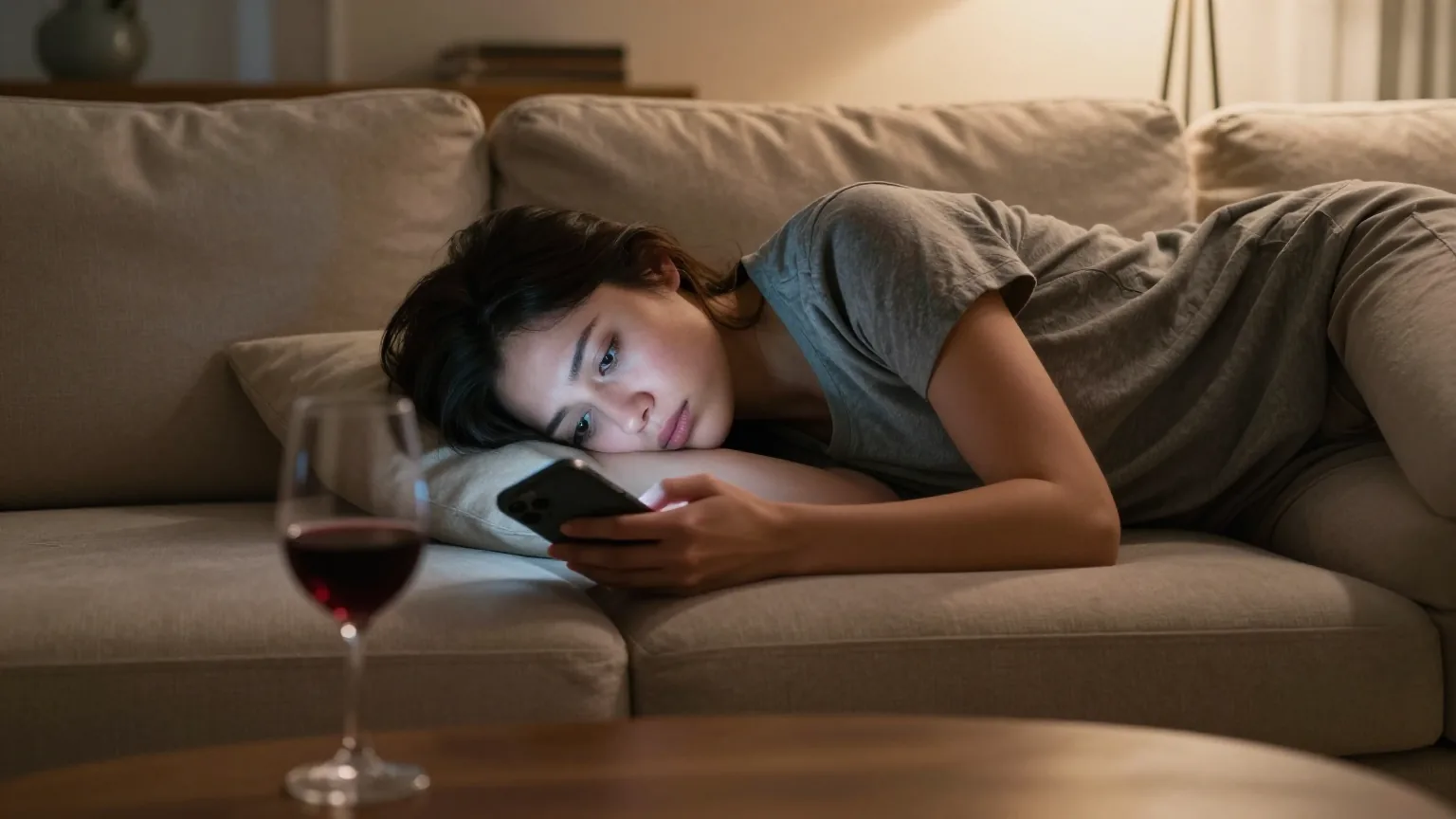
For over a decade, we were told that the future of romance was digital. We were promised that algorithms could find our perfect match more efficiently than any human ever could. But as we move deeper into 2026, a counter-culture is emerging. It is not a rejection of technology, but a rejection of the specific, high-friction, low-reward experience that dating apps have become. This phenomenon is known as "dating app burnout," and it is driving a significant demographic of singles back to the oldest method of finding a partner in history: meeting in person.
Specifically, speed dating is experiencing a renaissance. No longer just a quirky novelty for the desperate, it has become the "new normal" for many who are tired of the void. From bustling metropolitan centers to smaller suburban hubs, the demand for in-person connection is surging. Let’s dive into why this shift is happening, how it is changing the dating ecosystem, and what it means for your love life.
The Psychology of Infinite Choice: Why More Options Mean Less Satisfaction
To understand why speed dating is winning, we first have to look at why apps are losing. The core problem with modern dating apps is not that they don’t work; it’s that they work too well at presenting options. This creates what psychologists call "choice overload." When you have access to thousands of potential partners in your immediate vicinity, the decision-making process becomes paralyzing.
Every profile you pass is a potential "what if." This leads to a state of perpetual comparison and dissatisfaction. You might match with someone, but your brain immediately starts comparing them to the person who was three swipes away. This cognitive load is exhausting. It turns dating, which should be a fun and exciting exploration, into a high-stakes job search where you are interviewing candidates for a role you aren't even sure you want.
Speed dating, by contrast, imposes a hard limit on choice. You have a fixed number of people. You have a fixed amount of time. This constraint is actually liberating. It removes the pressure of infinite comparison and forces you to focus on the person in front of you. You aren't wondering if there is a better option down the line; you are trying to connect with the human being sitting across from you right now. This shift from "searching" to "connecting" is the primary psychological driver behind the return to in-person events.
The Rise of Dating App Burnout: A 2026 Phenomenon
The term "dating app burnout" has become a household phrase in 2026. It refers to the emotional and mental exhaustion that comes from prolonged use of digital dating platforms. It is characterized by a lack of motivation to swipe, a cynicism toward new profiles, and a general feeling that the entire process is a waste of time.
Recent reporting highlights that this burnout is no longer just a complaint among the ultra-digital natives of their 20s; it is spreading across age groups. Professionals in their 30s and 40s, who have the time and financial stability to invest in dating, are finding that apps simply do not meet their needs for depth and authenticity. As noted by recent trends, dating app burnout is driving more singles to speed dating, social mixers, and hobby-based events as they search for meaningful relationships offline [3].
This is a significant cultural shift. For years, the narrative was that apps were the only viable option for busy professionals. The assumption was that if you were too busy to meet people organically, you had to use an app. But in 2026, that assumption is being challenged. Busy professionals are realizing that they don't need more options; they need better quality interactions. They are trading the low-cost, low-effort swipe for the higher-cost, higher-effort, but significantly higher-reward in-person event.
The burnout is also fueled by the rise of "catfishing" and inauthentic behavior. While these issues have always existed, the sheer volume of fake profiles and bots has made the digital landscape feel less safe and less trustworthy. In person, you cannot fake your body language, your voice, or your energy. There is a raw honesty to face-to-face interaction that simply cannot be replicated through a screen.
The Historical Context: Speed Dating’s Second Act
It is worth noting that speed dating is not a new invention. It was popularized in the late 1990s, largely attributed to Rabbi Yaakov Dweck, who created the format to help his congregation find partners. For a time, it was a staple of single life in major cities. However, as the 2000s gave way to the 2010s, the rise of early dating apps like Tinder (launched in 2012) began to cannibalize the speed dating market. Many people assumed that the convenience of apps would render structured in-person events obsolete.
They were wrong. Speed dating never truly died; it just went underground. It evolved. It became more niche, more curated, and more professional. In 2026, we are seeing its "second act." This time, it is not just for the young and the desperate. It is for the intentional. It is for those who have tried the digital route and realized that it is not working for them.
This historical context is important because it shows that the pendulum of dating culture swings. We went from the "meet in the church or the bar" era to the "swipe on your phone" era, and now we are swinging back to a hybrid model. The key difference in this second act is that speed dating is now often integrated into other social activities. It is no longer just a sterile room with tables and a buzzer. It is a party, a workshop, a hobby group, or a corporate mixer. This evolution has made it more appealing to a wider demographic.
The Structure of the Modern Speed Dating Event
If you have never attended a speed dating event, you might be picturing a chaotic scene of strangers shouting over each other. The reality, especially in 2026, is quite different. Modern speed dating events are highly structured, carefully curated, and designed to maximize comfort and connection.
Typically, an event lasts between 90 minutes and two hours. You are seated at a table with a partner for a set amount of time, usually 3 to 8 minutes. A buzzer or a host signals when the round is over, and one side of the table rotates to a new seat. This process repeats until you have met everyone in the room. The format is simple, but the execution is key. A good host sets the tone, provides conversation prompts to break the ice, and ensures that the vibe is relaxed and fun.
One of the most significant changes in recent years is the use of technology to manage the logistics. Instead of filling out paper cards at the end of the night, many events now use apps or digital check-in systems. If you and your partner both indicate interest in seeing each other again, the event organizers will share your contact information. This removes the awkwardness of asking for a number and ensures that only mutual interests are connected. This digital layer adds convenience without taking away the in-person essence of the experience.
Furthermore, the venues have become more diverse. While you can still find traditional speed dating events in bars or community centers, there are now events held in art galleries, yoga studios, cooking classes, and even corporate offices. This variety allows people to choose an environment that matches their personality and interests. If you are an introvert, you might prefer a quiet, structured event. If you are an extrovert, you might prefer a loud, party-like mixer. The options are vast.
Curated Communities: The New Gatekeeper
One of the biggest criticisms of dating apps is the lack of curation. You can match with anyone, anywhere, at any time. This lack of filtering can lead to a lot of mismatched expectations. Speed dating events, on the other hand, are often highly curated. Organizers carefully select their attendees based on age, location, lifestyle, and even interests.
For example, you might find a "tech professionals" speed dating event, a "book lovers" mixer, or a "creative industry" night. This curation ensures that you are meeting people who share your values and interests. It creates a common ground that makes initial conversations easier. You don’t have to spend the first three minutes finding out if the other person has a job, a house, or similar political views; you already know that, because the event was designed for that specific demographic.
This level of curation is something that dating apps struggle to replicate. While apps have filters, they are often broad and self-reported. In a curated event, the organizer does the heavy lifting for you. They are acting as a gatekeeper, ensuring that the pool of potential partners is high-quality and relevant. This saves time and energy, two resources that are in short supply for busy singles.
Moreover, curated events often have a sense of community. When you attend a series of events, you start to recognize faces. You might see someone you met at a previous event and have a second chance to connect. This continuity is rare in the app world, where matches are often one-off transactions. In the in-person world, relationships can develop over time, with multiple opportunities to interact before committing to a date.
The Virtual-Physical Hybrid: Best of Both Worlds
It would be a mistake to think that technology has been completely abandoned in the speed dating revival. In fact, the most successful events in 2026 often utilize a hybrid approach. They use digital tools to enhance the in-person experience, rather than replace it.
For instance, many events use apps to handle registration, matchmaking, and feedback. Before the event, you might fill out a detailed profile that goes beyond a few lines of bio. This allows the organizers to match you with people who are more likely to be compatible with you. During the event, the app might provide conversation prompts or icebreakers, reducing the anxiety of not knowing what to say. After the event, the app facilitates the exchange of contact information, as mentioned earlier.
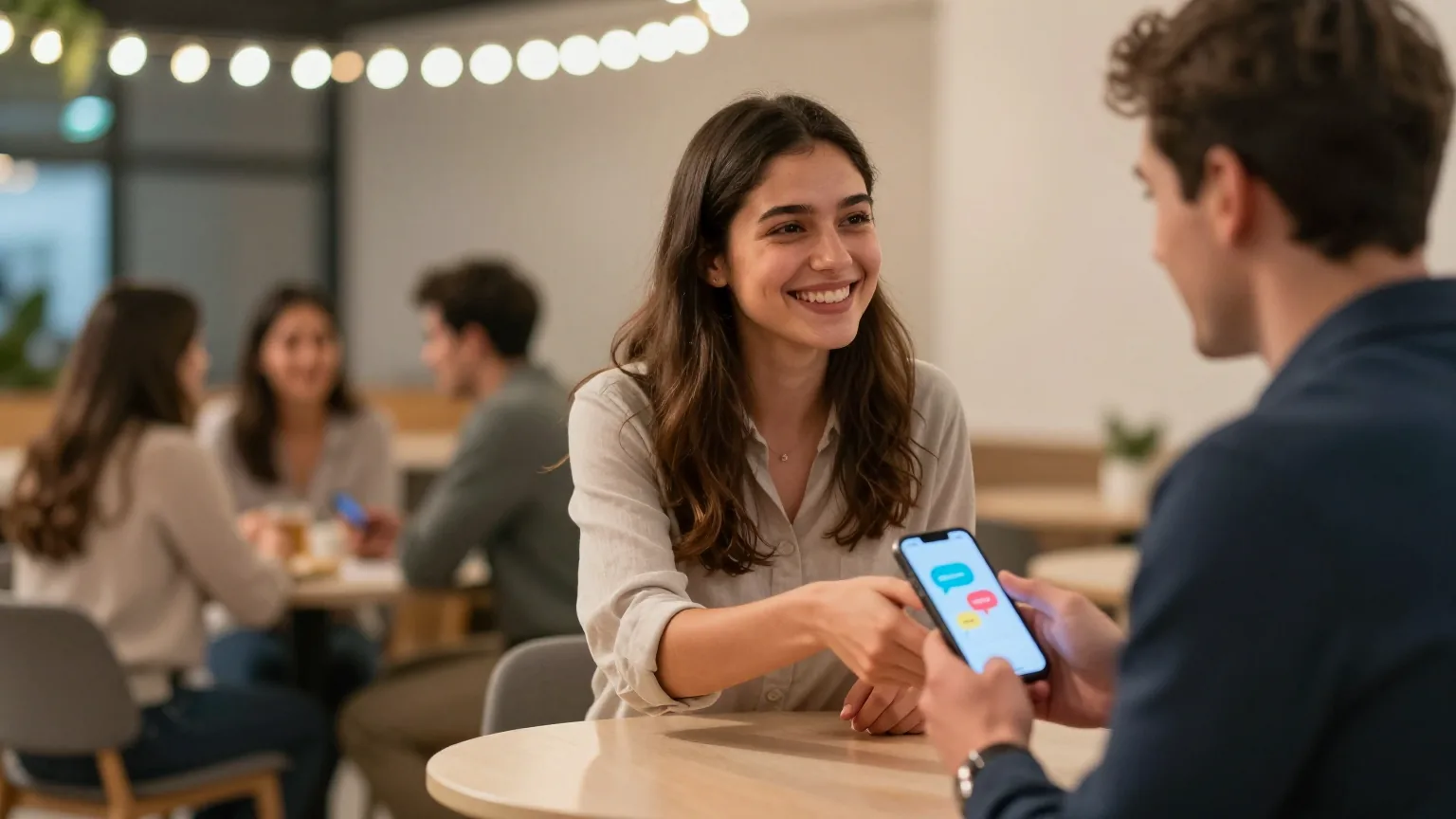
There is also a growing trend of "virtual speed dating" for those who cannot attend in person. While this is not the same as the in-person experience, it offers a middle ground for those who are still hesitant to leave the house. Virtual events use video calls and structured formats to simulate the speed dating experience. However, most experts agree that the in-person experience is superior for building genuine connection. The virtual option is best seen as a stepping stone, or a supplement, rather than a replacement.
This hybrid model represents the future of dating. It acknowledges that technology is a useful tool, but it also recognizes that human connection requires physical presence. By combining the efficiency of digital tools with the authenticity of in-person interaction, these events offer a more holistic dating experience.
Corporate and Social Mixers: Expanding the Horizon
Speed dating is no longer just about finding a romantic partner. In 2026, the format has been adapted for a variety of social and professional purposes. This has helped to destigmatize the concept and make it more accessible to a wider audience.
For example, many companies now host "corporate speed networking" events. These are structured similarly to speed dating, but the goal is to build professional connections rather than romantic ones. Employees from different departments or different companies meet for short, structured conversations. This format is highly effective for breaking down silos and fostering collaboration. It is a low-pressure way to meet new people, which makes it appealing even to those who are shy or introverted.
Similarly, social mixers are becoming increasingly popular. These are events designed for people who want to expand their social circle, not just their romantic one. They might be themed around hobbies, such as hiking, board games, or wine tasting. The speed dating format is used to ensure that everyone gets a chance to interact with a variety of people, which is often difficult in traditional social settings where cliques tend to form.
This expansion of the speed dating format is a testament to its versatility. It is not just a tool for finding love; it is a tool for building community. In a world that is increasingly isolated and digital, these events provide a valuable opportunity to connect with others in a meaningful way. They remind us that we are social creatures, and that we thrive on face-to-face interaction.
Overcoming the Stigma: A Cultural Shift
For a long time, there was a stigma attached to speed dating. It was seen as a last resort, a sign that you were "desperate" or "failed" at dating. This stigma is slowly but surely disappearing. In 2026, attending a speed dating event is seen as a proactive, confident, and intentional choice. It is seen as a way to take control of your dating life, rather than leaving it up to an algorithm.
This shift in perception is partly due to the success of the events. People who have attended speed dating events often report positive experiences. They meet interesting people, have fun, and sometimes find love. These positive stories are shared on social media, helping to normalize the practice. It is no longer a secret; it is a mainstream option.
Furthermore, the demographic of speed dating attendees has broadened. It is no longer just for the young and the single. It includes people of all ages, backgrounds, and relationship statuses. There are events for widows and widowers, for people coming out of long-term relationships, and for those who have simply been in the dating pool for a long time. This inclusivity has helped to break down the stigma and make the format more appealing to a wider range of people.
The cultural shift is also evident in the media. Speed dating is no longer a joke or a punchline. It is a serious topic of discussion in dating advice columns, podcasts, and news articles. This visibility helps to legitimize the format and encourages more people to give it a try.
Practical Tips for Your First Speed Dating Event
If you are considering attending a speed dating event, here are some practical tips to help you make the most of your experience.
- Choose the Right Event: Not all speed dating events are created equal. Look for events that match your interests, age range, and lifestyle. Read reviews and check the reputation of the organizer. A well-run event will have a clear format, a good host, and a safe environment.
- Prepare Your "Elevator Pitch": You will have very little time to make an impression. Think about what you want to say about yourself. Keep it short, sweet, and engaging. Highlight your interests, your values, and what you are looking for in a partner.
- Be Present: Put your phone away. Focus on the person in front of you. Listen actively, ask questions, and show genuine interest. People can tell when you are distracted or disinterested.
- Be Yourself: Don’t try to be someone you are not. Authenticity is attractive. If you are awkward, that’s okay. If you are funny, let that show. People are more likely to connect with you if you are being genuine.
- Have Fun: Speed dating is a social event, not a job interview. Relax, enjoy the atmosphere, and have a good time. If you are having fun, it will show, and it will make you more attractive to others.
- Follow Up: If you match with someone, don’t wait too long to reach out. Send a message within a few days, referencing something you talked about. This shows that you were paying attention and that you are interested in continuing the conversation.
Remember, the goal is not to find "the one" at your first event. The goal is to meet new people, expand your social circle, and see if in-person dating is a good fit for you. Even if you don’t find a romantic partner, you might make new friends or discover new interests. That is a win in itself.
The Role of Community and Safety
As the popularity of speed dating grows, so does the importance of community and safety. Organizers are taking these aspects more seriously than ever before. Many events have strict codes of conduct, clear policies on harassment, and trained staff who are available to intervene if necessary.
Safety is a major concern for many people, especially women. To address this, many events take place in public, well-lit venues with a large number of attendees. Some events also have a "buddy system," where you can bring a friend along, even if they are not participating. This can help to alleviate anxiety and provide a sense of security.
Furthermore, many organizers are working to create inclusive and welcoming environments for people of all backgrounds, orientations, and identities. This includes events for LGBTQ+ singles, for people of color, and for neurodiverse individuals. These inclusive events are a vital part of the speed dating revival, as they ensure that everyone has the opportunity to find connection and community.
The sense of community is also a key benefit of speed dating. When you attend an event, you are joining a group of people who share your goal: to find love. This shared purpose can create a bond that lasts long after the event is over. Many people report feeling a sense of belonging and support after attending speed dating events, which is a powerful antidote to the isolation that can come with modern dating.
Looking Ahead: The Future of In-Person Dating
As we look to the future, it is clear that the pendulum will continue to swing. We will likely see a further integration of technology and in-person experiences. We may see more AR (augmented reality) features in speed dating events, where you can see additional information about your partner on your phone, or where the event space is enhanced with digital elements. We may also see more personalized events, where the format is tailored to your individual preferences and needs.
However, the core of the speed dating experience will remain the same: the human connection. No matter how much technology advances, we will always crave face-to-face interaction. We will always need to see the smile, hear the voice, and feel the energy of another person. Speed dating provides a structured, safe, and efficient way to do this, and that is why it is becoming the new normal.
The future of dating is not digital or analog; it is hybrid. It is about using technology to enhance our lives, not to replace them. It is about finding balance, authenticity, and connection in a world that is often chaotic and impersonal. Speed dating is a powerful tool for achieving this balance, and it is here to stay.
Conclusion: Take the Leap
The era of endless swiping is coming to an end. The age of intentional, in-person connection is here. Dating app burnout is not a failure; it is a signal. It is a signal that you are ready for something more meaningful, something more real, something more human. Speed dating is the perfect vehicle for this transition. It offers structure, safety, and a high probability of meeting compatible people in a fun and engaging environment.
If you have been feeling tired of the apps, tired of the ghosting, tired of the uncertainty, it might be time to make a change. It might be time to step out of your comfort zone and into the real world. It might be time to give speed dating a try.
Don’t wait for the perfect event. Don’t wait for the perfect time. Just start. Browse the events in your city, choose one that looks interesting, and sign up. You might be surprised by what you find. You might meet someone who changes your life. Or you might just have a great night out. Either way, you will be taking a step toward a more fulfilling dating life.
The future of love is not on your screen. It is in the room, across the table, looking you in the eyes. Are you ready to meet it? The buzzer is about to sound. Take a deep breath, smile, and let’s get started.
Sources
- Speed Dating Singles Events by Pre-Dating - Largest Speed Dating ...
- Event Speed Dating 2026: How to Host a Speed Dating Event (Complete ...
- Dating app burnout sends singles back to in-person dating events - nj.com
- DateFaster — Speed Dating & Singles Events Near You
- 7 Best Online Speed Dating Sites & Games (2026) - DatingAdvice.com