Why Dating App Burnout Is Driving Singles Back to Speed Dating
Imagine scrolling through a feed of potential partners for the fourteenth time this week. You swipe right, hoping for a spark. You get a match. You send a polite “Hey, how’s your week going?” and into the void it goes. Or worse, you get a reply, a few messages pass, and then the conversation fizzles out before you even know if they like coffee or espresso. Sound familiar? If you have spent the last few years in the trenches of modern digital romance, you are likely experiencing what psychologists and sociologists are increasingly calling “dating app burnout.”
For over a decade, the smartphone has been the primary gateway to romance. We built our love lives in the palm of our hand, trusting algorithms to find us our soulmates. But in 2026, a significant cultural shift is underway. Singles are quietly ditching the infinite scroll for something unexpected: the ancient, tactile, and high-energy practice of speed dating [6]. This isn’t just a nostalgic throwback; it is a strategic pivot driven by a deep desire for meaningful, offline connections in a world that feels increasingly saturated with digital noise.

As we stand at the crossroads of digital convenience and human connection, the resurgence of speed dating offers a fascinating lens through which to view modern relationships. It challenges the notion that more data leads to better matches. Instead, it argues that presence, chemistry, and the unpredictability of face-to-face interaction are the irreplaceable currencies of love. Let’s dive into why the “swipe culture” is losing its luster and why the rapid-fire format of speed dating is making a powerful comeback.
The Anatomy of Dating App Burnout
To understand the return to speed dating, we must first diagnose the problem with the current dominant model. Dating app burnout is not merely feeling tired of using an app; it is a state of emotional exhaustion and disillusionment resulting from the gamification of human connection [6]. When romance is reduced to a series of binary decisions—swipe left or swipe right—the profound complexity of human personality is flattened into a two-dimensional profile.
The phenomenon creates a paradox of choice that is paralyzing rather than liberating. With access to thousands of potential partners, the threshold for commitment rises. Why invest time in getting to know one person when there is always someone “better” just a few swipes away? This perpetual comparison leads to a state of chronic dissatisfaction. Users report feeling like they are managing a job rather than pursuing a relationship, spending hours curating profiles, crafting witty openers, and analyzing micro-expressions in text messages [6].
Furthermore, the anonymity of the screen breeds a certain level of disrespect and detachment that is difficult to replicate in person. When you can discard a human being with a single swipe, the emotional stakes are lowered. This detachment, while protective in the short term, erodes the very empathy and vulnerability required for deep romantic bonds. The result is a generation of singles who are tech-savvy but relationship-weary, craving a connection that feels real, immediate, and unmediated by a screen [6].
A Historical Pivot: From Serendipity to Algorithms
To appreciate the shift back to speed dating, we need to look at where we started. For centuries, dating was a social activity. It happened at community gatherings, church events, family functions, and social clubs. These were “third places” where people interacted organically. The concept of speed dating, while formalized in the late 1990s, is actually a modern acceleration of this traditional social mixing [4].
The introduction of online dating in the late 1990s and the subsequent rise of mobile apps like Tinder in 2012 marked a significant departure from this model. The promise was efficiency: filter by height, religion, education, and interests to save time. For a time, this worked. It allowed people to meet outside their immediate social circles. However, as the technology matured, the focus shifted from “efficiency” to “engagement.” Algorithms were designed to keep users on the platform as long as possible, often at the expense of helping them find a partner and leave the app [6].
Speed dating, by contrast, is inherently time-boxed. It acknowledges that you cannot know everything about someone in a chat, but you can know if you feel a spark. It brings the social aspect back into the equation. It is not about filtering out 99% of people before you meet them; it is about meeting 30 people and finding the one who makes your heart skip a beat. This return to the social mixer is a rejection of the algorithmic curation in favor of human intuition [6].
The Science of the “Spark”: Why Face-to-Face Matters
Why does a five-minute conversation in person feel more potent than a week of texting? The answer lies in the richness of non-verbal communication. Human beings are not just words; we are tone, gesture, eye contact, and body language. In a digital text, these elements are stripped away, leaving only the raw data of language, which is often ambiguous and prone to misinterpretation [4].
Scientific studies on speed dating have long suggested that initial attraction is heavily influenced by non-verbal cues. When you meet someone in a speed dating event, you are processing a massive amount of sensory information simultaneously. You hear the pitch of their voice, see the warmth in their smile, and feel the energy of the room. This multi-sensory input allows for a rapid assessment of compatibility that text simply cannot provide [4].
Moreover, the time pressure of speed dating creates a unique psychological state. It lowers the stakes of the initial interaction. Because you know the conversation will end in five minutes, you are less likely to overthink or play it safe. You are more likely to be authentic, humorous, and open. This authenticity is what drives the “spark.” It is a genuine reaction to another human being, not a calculated response to a profile bio. The result is a more accurate gauge of chemistry, even if it is just the initial physical and emotional attraction that serves as the foundation for deeper connection [4].
The Structure of the Modern Speed Dating Event
Speed dating in 2026 is not just a row of tables and a bell. It has evolved into a sophisticated, well-orchestrated experience designed to maximize comfort and connection. The format is typically straightforward but executed with high production value [2].
Here is what to expect from a standard event:
- The Setup: Participants are seated at individual tables. Usually, one group (often men) remains seated while the other group (often women) rotates every few minutes, or both groups rotate. This ensures that everyone meets everyone else within the timeframe of the event [2].
- The Timing: Each “date” typically lasts between three and seven minutes. A bell or chime signals the end of the round, and participants move to the next table. This brevity is the core of the format—it prevents awkward silences and keeps the energy high [2].
- The Venue: Modern events are held in comfortable, aesthetically pleasing venues such as bars, restaurants, or dedicated event spaces. The atmosphere is designed to be relaxed and social, not stiff or formal [2].
- The Match Process: After the event, participants submit their match cards or input their preferences into an app. If both parties indicate interest in each other, a match is revealed, and contact information is shared. This mutual consent model removes the awkwardness of chasing someone who isn’t interested [2].
Some events have even begun incorporating virtual elements or hybrid formats, allowing for local connections that can be deepened online if desired, but the initial meeting remains in person to preserve the authenticity of the experience [2].
From Niche to Mainstream: The Growth of the Industry
The resurgence of speed dating is not just a trend; it is a booming industry. Companies like Pre-Dating have positioned themselves as the largest speed dating service in the world, hosting monthly events in over 90 cities [1]. This scale indicates a massive demand for structured, in-person dating alternatives. The fact that these events are “monthly” suggests a recurring need, not just a one-time novelty. Singles are building speed dating into their social calendars, treating it as a regular activity rather than a desperate last resort [1].
The diversity of the market has also expanded. It is no longer just about generic “singles mixers.” There are now events tailored to specific demographics, interests, and lifestyles. You can find speed dating for professionals, for specific religious communities, for LGBTQ+ individuals, and for hobby groups like runners, book clubs, or tech enthusiasts [2]. This segmentation addresses the pain point of online dating: the feeling of being lost in a sea of generic profiles. By narrowing the field based on shared interests or values, the likelihood of a meaningful connection increases significantly [2].
Corporate and community organizations have also embraced the format. “Corporate networking” speed dating and “wedding singles mixer” setups are becoming popular ways for companies to build team cohesion or for communities to foster social bonds [2]. This integration into broader social structures legitimizes speed dating as a healthy, normal part of adult social life, rather than a stigmatized activity for the lonely.
The Psychology of Proximity and Presence
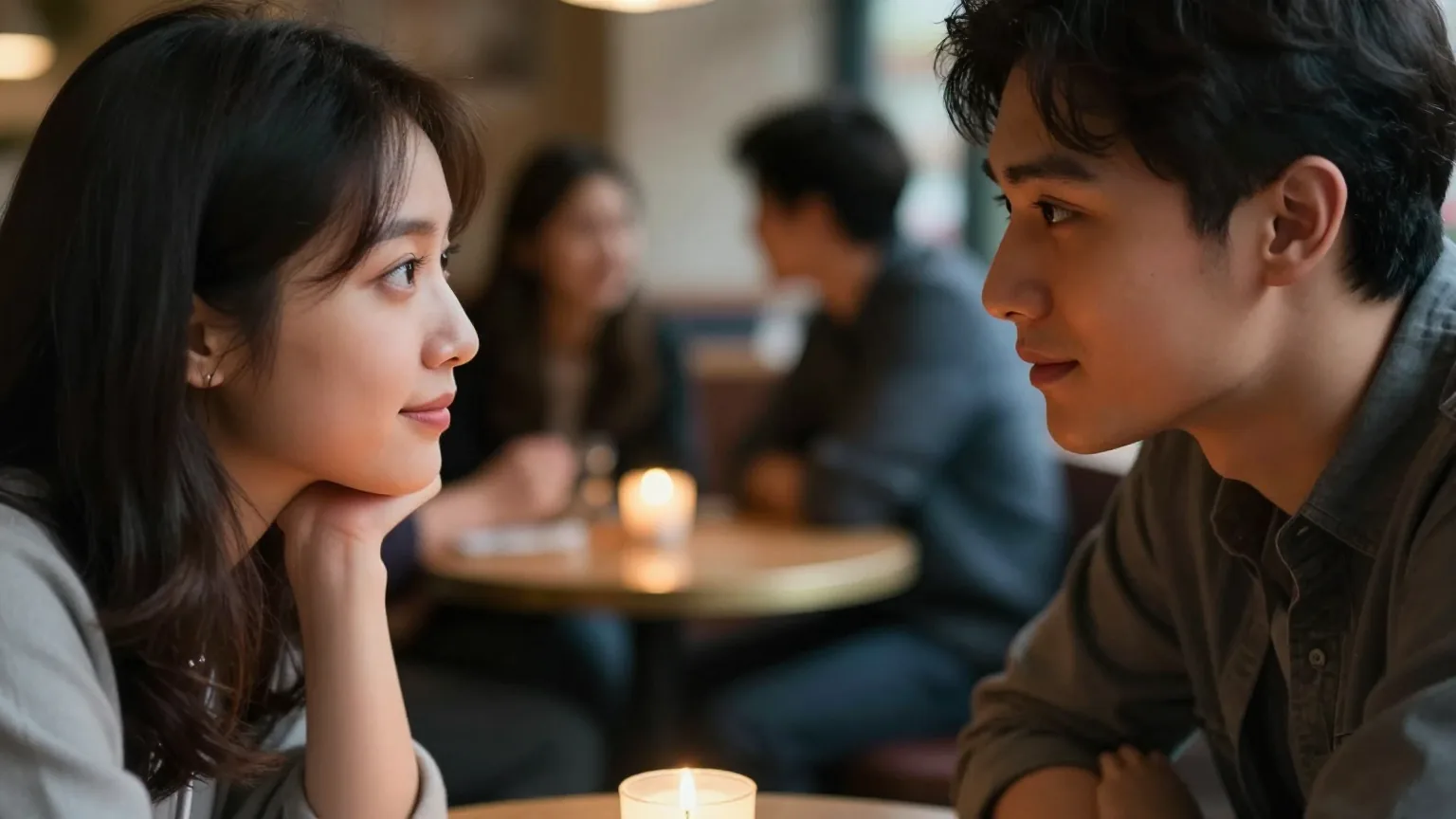
Why does the physical presence of others matter so much? Psychological research suggests that proximity and the mere exposure effect play a significant role in attraction. When you are in the same room as a group of people, you are subconsciously processing social dynamics, humor, and interaction styles in a way that is impossible online. You see how someone treats the waiter, how they listen to others, and how they handle the pressure of a brief interaction [4].
Speed dating forces a level of social engagement that many modern adults have underutilized. In a world where we can avoid difficult conversations or uncomfortable silences by simply putting our phones on “Do Not Disturb,” speed dating requires us to be present. It is a social workout. It builds confidence, improves conversational skills, and reduces social anxiety. Many participants report that even if they don’t find a romantic match, they leave feeling more socially confident and connected to their community [6].
This social benefit is a hidden gem of the speed dating revival. It is not just about finding a partner; it is about re-engaging with the social fabric of your local community. It is a chance to meet people who share your geography and, potentially, your values, in a safe and structured environment. This reconnection with the local social scene is a powerful antidote to the isolation that can accompany heavy app usage [6].
Addressing the Stigma: Is Speed Dating “Cringe”?
Let’s address the elephant in the room: the fear of awkwardness. For many, the idea of sitting across from a stranger for five minutes and being expected to make a connection feels daunting. There is a cultural stigma attached to speed dating, often viewed as a desperate or “cringe” activity. However, this perception is outdated. Modern speed dating events are professional, well-run, and attended by people who are genuinely looking for a connection, not just a joke [1].
The structured nature of the event actually reduces anxiety. You don’t have to worry about planning a date, finding a venue, or paying for dinner. You just have to show up and talk. The time limit provides a natural exit strategy. If the conversation isn’t flowing, the bell will save you. This low-stakes environment encourages experimentation. You can try different conversation starters, test your humor, and see what works. It is a low-risk way to practice dating skills [2].
Furthermore, the mutual opt-in model of matching ensures that you are only left with people who are interested in you. This eliminates the one-sided rejection that is so common in online dating. You leave the event with a list of potential matches who have already shown interest, making the next step—planning a proper date—much easier and more exciting [2].
Virtual vs. Physical: The Hybrid Future
While the trend is moving back to in-person, technology is not being left behind. The future of speed dating is likely to be hybrid. Virtual speed dating platforms allow for global connections, but they lack the physical chemistry of the in-person experience. However, they can serve as a pre-screening tool or a way to maintain connections during the initial stages [2].
Some companies are using apps to manage the logistics of in-person events, making the process seamless. You can sign up, choose your preferred events, and receive match notifications all through a mobile app. This combines the convenience of digital technology with the authenticity of face-to-face interaction. It’s the best of both worlds: the efficiency of the algorithm and the soul of the human connection [2].
As we move further into 2026, we can expect to see more innovative formats. Think of speed dating integrated into other social activities: a “speed networking” event for professionals, a “speed hobby” mix for enthusiasts, or even “speed blind dates” where you don’t see the person until the end. These variations keep the format fresh and relevant, appealing to a wide range of singles who are tired of the same old dating app routine [2].
Practical Tips for Your First Speed Dating Event
If you are considering taking the plunge and attending a speed dating event, here are some practical tips to help you make the most of the experience:
- Go with an Open Mind: Don’t go in with a rigid checklist of requirements. Focus on energy, humor, and connection. You can filter for logistics later; you can’t fake a spark [6].
- Prepare a Few Conversation Starters: Have a few questions ready to break the ice, but also be prepared to listen. Active listening is more attractive than trying to impress with clever one-liners [2].
- Be Yourself: Authenticity is your greatest asset. Trying to be someone you’re not will only lead to awkwardness and misalignment. Show up as the person you want to be in a relationship [4].
- Use the Time Wisely: Try to get to know the person in the five minutes allotted. Ask open-ended questions, share a bit about yourself, and gauge your interest. Don’t rush, but don’t dawdle either [2].
- Follow Up Promptly: If you match with someone, reach out within 24-48 hours. The momentum from the event is strong; don’t let it cool down [1].
Remember, the goal is not to find “the one” in five minutes. The goal is to find someone who makes you want to spend more time. That’s all. That’s enough. The rest can be built over subsequent dates and conversations.
The Role of Community and Safety
One of the often-overlooked benefits of speed dating is the sense of community. Attending an event puts you in a room with like-minded individuals who are also seeking connection. This shared experience can foster a sense of camaraderie, even among those who don’t end up matching. It is a safe space to be single, to be vulnerable, and to be open to love [1].
Safety is also a priority in modern speed dating. Reputable companies have strict vetting processes for their events and staff. The structured environment, with time limits and a clear match process, reduces the risk of unwanted advances or uncomfortable situations. It is a controlled environment where you can date with confidence [2].
For those who have felt unsafe or disappointed in the online dating world, this sense of safety and structure is a major draw. It allows you to focus on the connection, not on the potential for catfishing, harassment, or ghosting. It is a return to the basics of dating: meeting someone, having a conversation, and deciding if you want to see them again [6].
Conclusion: Reclaiming the Human Element
The shift from dating apps to speed dating is more than just a change in medium; it is a reclamation of the human element in romance. It is a recognition that algorithms, no matter how sophisticated, cannot replace the complexity of human interaction. It is a vote for presence over absence, for conversation over scrolling, and for connection over consumption [6].
As we navigate the complexities of modern life, the desire for authentic, meaningful relationships remains constant. Speed dating offers a practical, enjoyable, and effective way to pursue that desire. It is a bridge between the digital and the physical, the modern and the traditional. It is a reminder that love is not something to be found in a database, but something to be discovered in the eyes of another person.
So, if you are feeling the weight of app burnout, if you are tired of the endless swipe, and if you are ready to put down your phone and pick up a conversation, consider giving speed dating a try. You might just find that the most unexpected connection is the one that happens in person, in the moment, with a smile and a shared laugh. The bell is about to ring. Are you ready?
Call to Action: Check out local speed dating events in your city this month. Don’t just scroll—connect. Your next great story might start with a five-minute conversation.
Sources
- Speed Dating Singles Events by Pre-Dating - Largest Speed Dating ...
- Event Speed Dating 2026: How to Host a Speed Dating Event (Complete ...
- The latest Speed Dating Events news, videos & comments | NewsBreak
- Speed dating - Wikipedia
- 7 Best Online Speed Dating Sites & Games (2026) - DatingAdvice.com
- Dating app burnout sends singles back to in-person dating ... - PennLive